US National Debt Passes $40 Trillion as Era of Cheap Borrowing Ends, Report Says
A new report from Deutsche Welle examines whether investors will keep financing Washington's deficits as government debt levels reach unprecedented heights.

A new report from Deutsche Welle examines whether investors will keep financing Washington's deficits as government debt levels reach unprecedented heights.

Investors weighed the prospect of a new Federal Reserve rate-hiking cycle alongside growing questions over artificial intelligence safety, according to a CNBC report.

Markets recovered one day after the Federal Reserve raised rates and signaled another increase could follow, according to CNBC.

A CNBC report highlights where experts see opportunities for income investors seeking yield and portfolio stability following the Federal Reserve's latest rate hike.

A chief investment officer cited by CNBC says equity prices could decline if the 10-year Treasury yield rises above 5.25%.

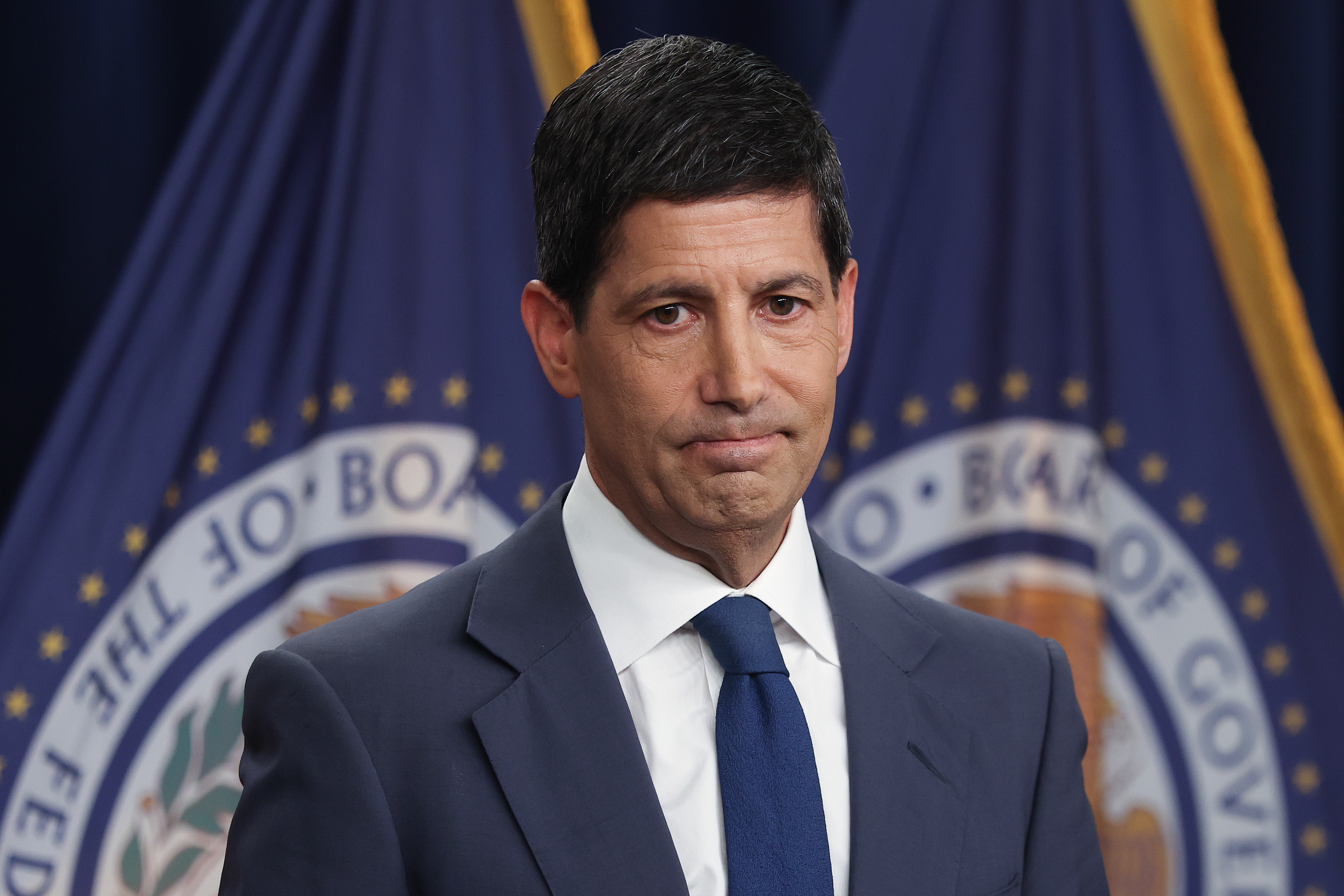
The Federal Reserve's first rate hike since 2023 has prompted an immediate rebuke from President Trump, as Fed Chair Kevin Warsh defends the central bank's independence.
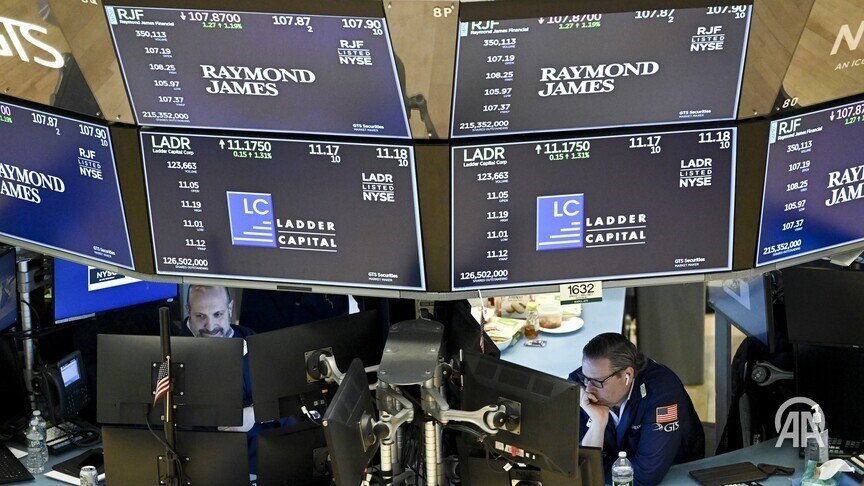
Anadolu Agency reports that world markets responded positively to the U.S. Federal Reserve's latest interest rate increase, even as expectations of further hikes this year weigh on investor risk appetite.

Falling oil prices and lower bond yields helped lift stock futures a day after the Federal Reserve raised interest rates and signaled another hike could follow this year, CNBC reported.
President says he may cut trade ties after the Federal Reserve voted unanimously to raise interest rates despite his pressure to lower them

Mohammad Ghalibaf references the Taylor equation in remarks about U.S. monetary policy as oil prices and inflation rise globally.

Investors tell CNBC the Federal Reserve's latest rate move is prompting a broader look at portfolio repositioning.

U.S. stock futures held steady early Friday, a day after major indexes climbed following the Federal Reserve's first interest rate hike in three years, CNBC reported.

BBC's Samira Hussain outlines the factors behind the Federal Reserve's decision and its potential impact on the US economy.

BBC correspondent Samira Hussain examines the factors behind the Federal Reserve's latest rate decision and what it may mean for the American economy.

The central bank unanimously approved an increase to the benchmark rate, marking its first hike in three years, according to the BBC.

The Fed's rate hike comes as it battles high inflation, despite Trump's repeated calls for cuts.
CNBC reports the Federal Reserve unanimously approved a quarter-point rate hike even as President Trump has repeatedly called for lower borrowing costs, a move analysts say could renew tensions over the central bank's independence.
The Dow fell more than 600 points and banking shares declined after the Fed's rate decision, while the Nasdaq ended nearly flat.
President says United States has the "Best Credit in the World" as he repeats push for deep rate cuts

Stocks tumbled Wednesday after the Federal Reserve announced its first interest rate hike in three years, with remarks from Kevin Warsh on inflation further unsettling investors, according to CNBC.
Analyst Kevin Warsh points to persistent price pressures and global uncertainty as key drivers, as the Fed chair says inflation has been "too high" for "too long"

Financial guidance from CNBC Select highlights how the best savings vehicle depends on when consumers will need access to their money.
Central bank lifts benchmark rate by 25 basis points to 3.75%-4% range in unanimous decision, according to Anadolu Agency.
With the Federal Reserve increasing its target rate range for the first time since 2023, financial experts say consumers may find more competitive returns on savings accounts and CDs.

Kevin Warsh, President Trump's pick for Federal Reserve chair, is expected to push through a rate increase despite pressure from the White House, as officials cite inflation risks tied to rising energy costs.

Traders are weighing the possibility of a new rate-hiking cycle as the Federal Reserve prepares to announce its latest policy decision, according to CNBC.

Options strategist Tony Zhang discussed a bearish trading approach on a homebuilder stock as investors position for an anticipated Federal Reserve interest rate increase, according to CNBC.

Investors positioned ahead of a widely anticipated interest rate hike from the Federal Reserve, according to CNBC.
Strong US employment data and rising inflation estimates fuel expectations of a rate hike as investors await the Federal Reserve's announcement, according to Anadolu Agency.

Policymakers are widely expected to lift the benchmark rate to address persistent inflation, a move that could raise borrowing costs for consumers, according to NPR News.
Wednesday's expected Federal Reserve rate move, a new accounting of damage from the Iran conflict, and a board vote to close the Kennedy Center are among the stories highlighted in NPR's morning news brief.

Bond investors are bracing for a widely anticipated Federal Reserve interest rate hike set to be announced Wednesday, according to a CNBC report.

Higher bond yields may push up interest rates for mortgages and business loans, according to BBC analysis.

Traders assign more than 90% probability that the Federal Open Market Committee will approve a quarter-point rate hike, according to CNBC.

Markets recovered some losses following a sell-off triggered by the Federal Reserve's quarter-point rate increase and signal of another possible hike this year, CNBC reported.
The Federal Reserve lifted its benchmark rate by a quarter point, with Kevin Warsh cautioning that price pressures remain elevated, CNBC reported.

The central bank's open market committee voted unanimously to lift its benchmark rate by a quarter point to 3.75%-4%, citing efforts to curb inflation.

President Trump said the vote of Fed governor Kevin Warsh would not change the outcome, according to CNBC.

Rising borrowing costs are pushing into territory that could expose vulnerabilities in the financial system, according to a CNBC report, even as markets have yet to show signs of severe stress.

The Federal Reserve raised interest rates for the first time since 2023 on Wednesday and indicated a further increase could follow before year's end, according to CNBC.

U.S. equities moved higher following a decline in oil prices and bond yields, a day after a Federal Reserve rate hike triggered a market slide, according to CNBC.

Financial experts point to money market funds and Treasury bills as places to seek higher returns on cash following the Federal Reserve's latest rate move, according to a CNBC report.

The Federal Reserve's rate increase will affect borrowing costs for mortgages, credit cards, and auto loans, as well as savings account yields.

The central bank's 25 basis-point hike comes as inflation weighs on the economy and ahead of closely watched US midterm elections.

The Federal Reserve announced a quarter-percentage-point increase to its benchmark interest rate, with Chairman Warsh saying inflation remains elevated, according to CNBC.

The Federal Reserve increased its benchmark interest rate, marking the first hike since 2023, as markets digest moves in Starbucks and GE Vernova shares.

Bond investor Jeff Gundlach told CNBC the Federal Reserve should have opted for a half-point rate hike rather than a quarter-point move.

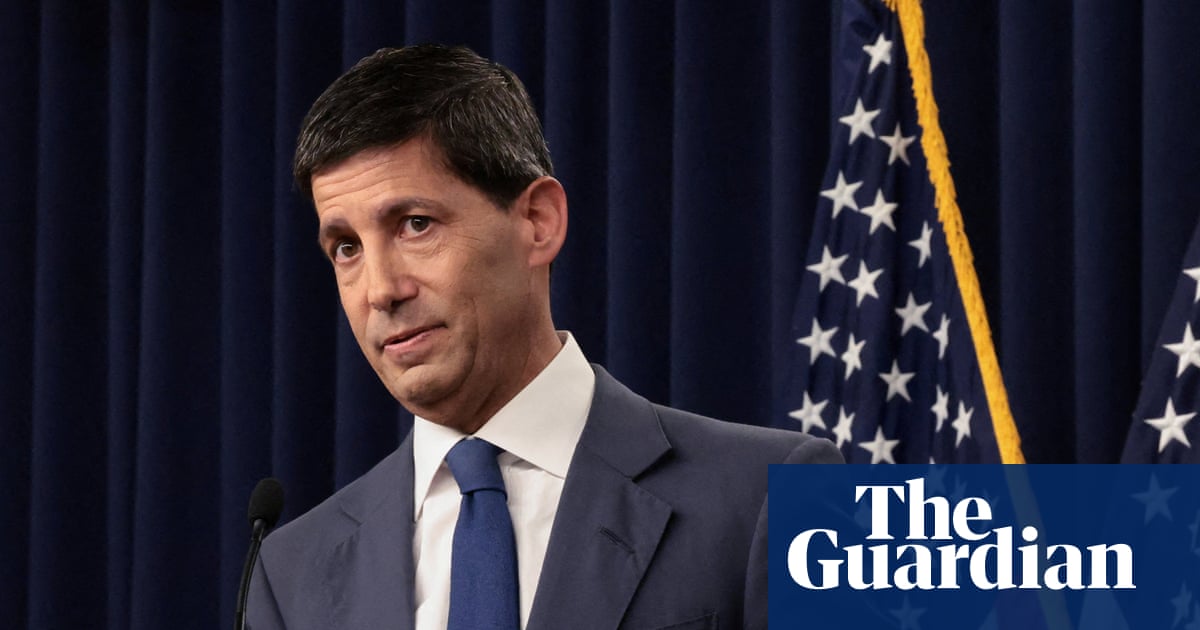
The Federal Reserve, led by chair Kevin Warsh, voted unanimously to raise interest rates for the first time in three years, according to a report by The Guardian.

The Japanese bank, previously seen as a dovish outlier on Federal Reserve policy, has added more rate hikes to its projections, though it still expects fewer increases than markets are currently pricing in.

Traders are bracing for the possibility of a new interest rate hiking cycle as the Federal Reserve prepares to announce its latest policy decision, according to CNBC.

Traders assign over 90% probability to a quarter-point hike as the Federal Open Market Committee meets, according to CNBC.
President Donald Trump renewed pressure on the Federal Reserve, demanding a sharp rate cut and repeating an earlier threat over trade surpluses, according to a CNBC report.

NPR News reports the Federal Reserve increased its benchmark rate this week, and outlines in a new explainer how the move ripples through the economy.

Federal Reserve Chair Kevin Warsh said inflation remains too high as the central bank announced its first rate increase in three years, with analysts projecting a cautious tightening path.

Homebuyer mortgage applications have fallen sharply amid a surge in interest rates, according to market data.
The U.S. central bank increased its benchmark rate on Wednesday, a decision that had been broadly expected by markets, according to CNBC.
The president attacked the Fed's quarter-point rate hike, its first since July 2023, arguing the U.S. economy is strong enough to warrant lower rates.

The rate increase, the first in three years, comes as inflation continues to weigh on the US economy ahead of critical midterm elections.

The 10-year US Treasury yield briefly touched 5.04% before easing back, marking its highest level in nearly two decades, BBC Business reported.
A Federal Reserve rate increase is anticipated, which will have downstream effects on mortgage rates and borrowing costs for consumers.