
PoliticsReported
Germany: Two regional elections pose risks for Chancellor Merz
Voters in Berlin and Mecklenburg-Western Pomerania go to the polls Sunday amid expected breakthroughs by the far right and radical left.
· 1 min read
Voters in Berlin and Mecklenburg-Western Pomerania go to the polls Sunday amid expected breakthroughs by the far right and radical left.
Voters in Berlin and Mecklenburg-Western Pomerania are going to the polls on Sunday in elections that could further weaken Chancellor Friedrich Merz's governing coalition.

Following an electoral setback for his party in Saxony-Anhalt, German Chancellor Friedrich Merz faces questions about his political standing as new regional elections approach.

The far-right party, recording its first setback since 1988, denounces a purported opposition maneuver aimed at preventing a right-wing victory, according to Le Monde.

The Reconquête party leader announced Thursday on BFMTV that he would run again in the presidential election.
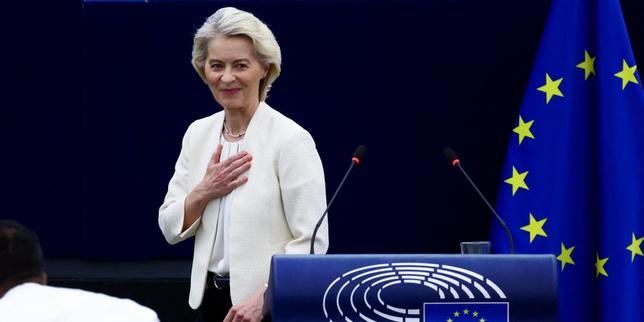
In a speech delivered Wednesday, the European Commission president called for a collective European response on climate, artificial intelligence, defense, and Chinese exports.
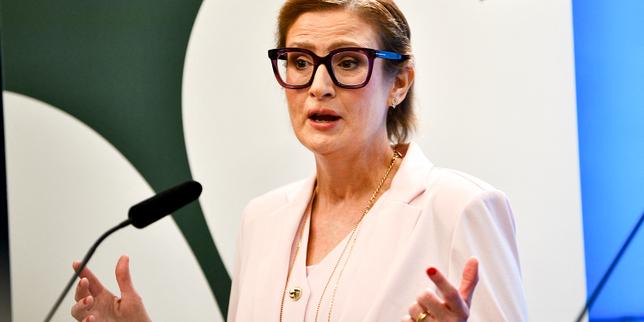
The former figurehead of Sweden's Liberal Party, returning after battling cancer, is running in the September 13 legislative elections as a candidate of the Centre Party.

Sunday's election will determine whether Sweden will see a return of the left to power or an unprecedented entry of the far right into government, according to France 24.

Swedes vote Sunday in a legislative election described as uncertain, with the center-left opposition holding a narrow lead over the ruling right-wing bloc, whose outgoing Prime Minister has promised to bring the far-right into government if his side wins.
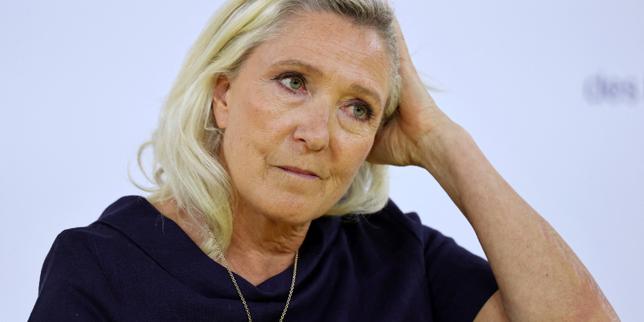
According to Le Monde, a case involving a municipal police officer in Carcassonne complicates the National Rally's campaign launch, an episode that a researcher describes as a 'return of the repressed'—reminding the party of its xenophobic, racist and antisemitic past.

According to an analysis published by Le Monde, far-right movements are now instrumentalizing food in France, presenting it as an identity issue in the face of multiculturalism.

According to France 24, rallies denouncing the rise of far-right extremism took place across several German cities.

The far-right Alternative for Germany party's electoral breakthrough in Saxony-Anhalt is raising concerns among several German memorials, which fear a downplaying of Nazi crimes, according to France 24.

France 24's "Going Further" program examined the significance of the German far-right's electoral victory in this state and what it might signal for the rest of the continent.

According to France 24, Berlin residents gathered at the Brandenburg Gate to protest the rise of the far-right after regional elections in Saxony-Anhalt.

According to RFI, the far-right breakthrough in this former East German state is partly explained by regional economic and demographic factors.

The far-right party secured nearly 44% of the vote in this state, far ahead of Chancellor Friedrich Merz's CDU, according to information reported by France 24.

Following the AfD's electoral success in this German state, the National Rally has made no comment on the result, unlike Reconquest!, which hailed it as historic, according to RFI.

The far-right party strengthens its electoral presence in Germany and undermines the position of Chancellor Friedrich Merz.