Zimbabwe Farmers Adopt Water-Saving Techniques Ahead of Expected El Niño Drought
Communities in Zimbabwe are turning to aquaponics and rainwater harvesting to protect crops as forecasters warn of an El Niño-driven drought, according to a France 24 report.

Some communities in Zimbabwe are adopting water-saving techniques, including aquaponics and rainwater harvesting, to safeguard their crops as the country braces for a potential drought linked to the El Niño weather pattern, according to a report by France 24 correspondent Sharon Mazingaizo.
El Niño is a climate phenomenon associated with reduced rainfall in parts of southern Africa, a region that has faced recurring droughts in recent years that have threatened food security for millions of people.
According to the report, farmers in Zimbabwe are experimenting with methods designed to conserve limited water resources. Aquaponics, a system that combines fish farming with soil-less plant cultivation, allows water to be reused within a closed loop, reducing overall consumption compared with traditional irrigation. Rainwater harvesting, meanwhile, involves collecting and storing water during rainy periods for use during dry spells.
The report did not specify the exact regions or number of farmers involved, nor did it provide further details on the scale of adoption of these techniques across the country. France 24 did not immediately provide additional data on projected rainfall levels or the anticipated severity of the coming dry season.
Zimbabwe, like several other countries in the region, has previously experienced significant crop losses during past El Niño events, which have historically brought below-average rainfall to parts of southern Africa. Authorities and communities in affected areas have in the past sought to adapt agricultural practices to cope with unpredictable rainfall patterns.
France 24 said its report highlighted local efforts to adapt to changing climate conditions, though it did not attribute specific statements to government officials or agricultural experts regarding the broader national response to the anticipated drought.
Sources
- Zimbabwe farmers brace for El Niño by saving water — France 24 — English
EGazette summarizes reporting from multiple sources; follow the links for the originals.
Related articles
US Wheat Farmers Face Squeeze From Drought, Fuel Costs Despite Higher Prices
Rising wheat futures offer little relief to growers like Kansas farmer Merrill Nielsen as drought, crop losses and record diesel prices erode potential gains

Senegal: The Disappearance of Faidherbia albida Concerns Farmers in Diohine
In the peanut basin, the decline of this iconic tree threatens the fertility of agricultural land, according to farmers and an RFI report.
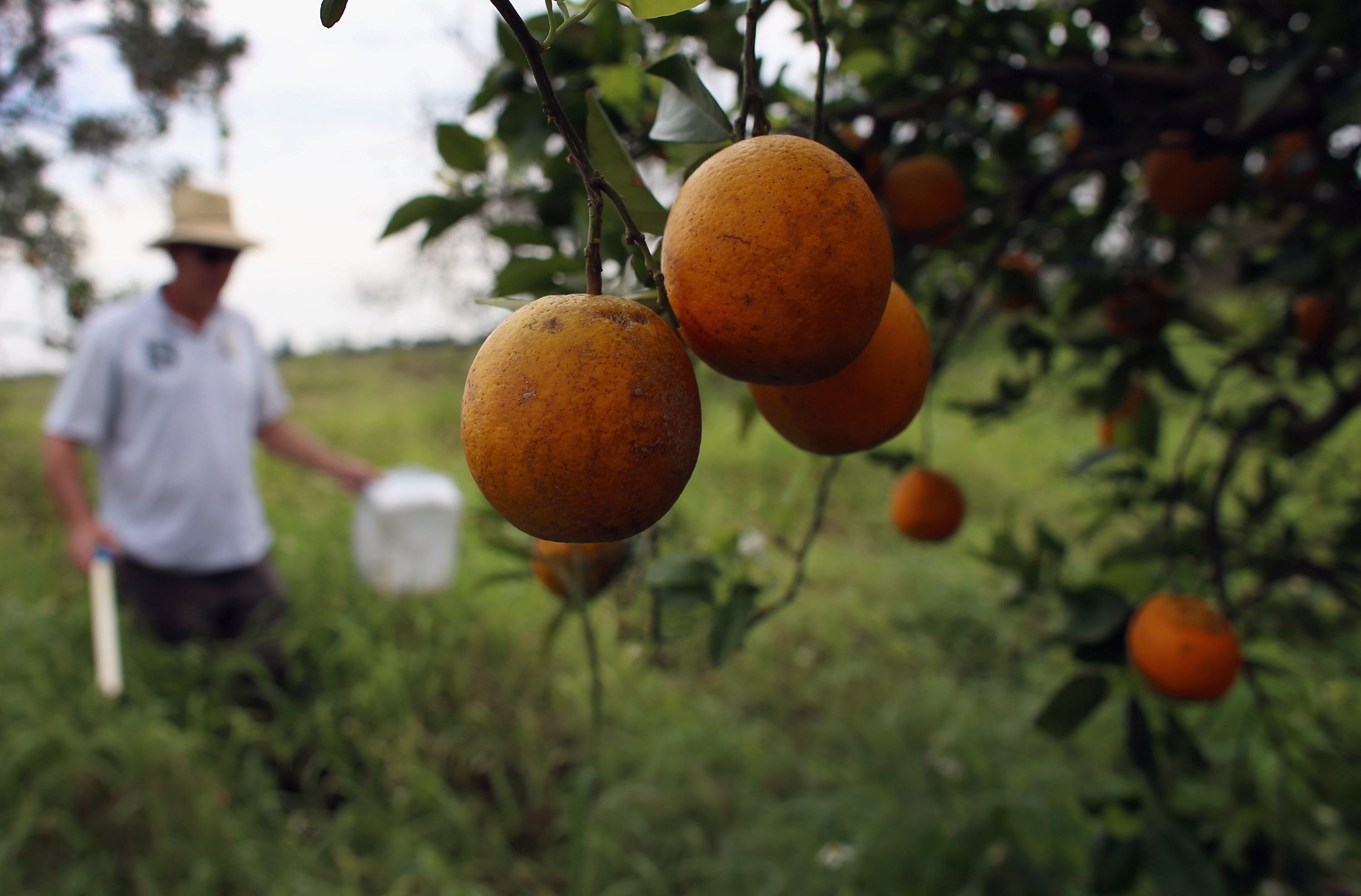
Gene-Edited Rootstock Offers Hope for Florida's Citrus Industry
Growers are turning to gene-editing technology in an effort to combat a bacterial disease devastating citrus trees, according to a report by NPR News.

France's Wine Production Nears 70-Year Low Amid Climate Pressures
Heatwaves and drought have pushed French wine output toward its lowest level in seven decades, prompting the industry to weigh new markets, products and strategies, according to CNBC.

Opinion Piece Warns Africa's Green Revolution Push Undermines Traditional Crops
An opinion article published by Al Jazeera argues that the promotion of monoculture farming in Africa is displacing more nutritious and climate-resilient traditional food crops.

Rain brings return of green to drought-hit England and Wales
After the UK's hottest summer on record left southern landscapes scorched brown, recent rainfall is helping grasslands slowly regain their colour, though much of the country remains in drought.
Comments
Loading comments…