Zimbabwe Farmers Adopt Water-Saving Techniques Ahead of Expected El Niño Drought
Communities in Zimbabwe are turning to aquaponics and rainwater harvesting to protect crops as forecasters warn of an El Niño-driven drought, according to a France 24 report.

Some communities in Zimbabwe are adopting water-saving techniques, including aquaponics and rainwater harvesting, to safeguard their crops as the country braces for a potential drought linked to the El Niño weather pattern, according to a report by France 24 correspondent Sharon Mazingaizo.
El Niño is a climate phenomenon associated with reduced rainfall in parts of southern Africa, a region that has faced recurring droughts in recent years that have threatened food security for millions of people.
According to the report, farmers in Zimbabwe are experimenting with methods designed to conserve limited water resources. Aquaponics, a system that combines fish farming with soil-less plant cultivation, allows water to be reused within a closed loop, reducing overall consumption compared with traditional irrigation. Rainwater harvesting, meanwhile, involves collecting and storing water during rainy periods for use during dry spells.
The report did not specify the exact regions or number of farmers involved, nor did it provide further details on the scale of adoption of these techniques across the country. France 24 did not immediately provide additional data on projected rainfall levels or the anticipated severity of the coming dry season.
Zimbabwe, like several other countries in the region, has previously experienced significant crop losses during past El Niño events, which have historically brought below-average rainfall to parts of southern Africa. Authorities and communities in affected areas have in the past sought to adapt agricultural practices to cope with unpredictable rainfall patterns.
France 24 said its report highlighted local efforts to adapt to changing climate conditions, though it did not attribute specific statements to government officials or agricultural experts regarding the broader national response to the anticipated drought.
المصادر
- Zimbabwe farmers brace for El Niño by saving water — France 24 — English
يلخّص EGazette تقارير من مصادر متعددة؛ اتبع الروابط للاطلاع على الأصل.
مقالات ذات صلة

إنتاج الخمر الفرنسي يقترب من أدنى مستوياته منذ 70 عاماً وسط ضغوط مناخية
الموجات الحارة والجفاف يدفعان الإنتاج الفرنسي للخمر نحو أدنى مستوياته في سبعة عقود، مما يدفع الصناعة إلى التفكير في أسواق ومنتجات وإستراتيجيات جديدة، وفقاً لـ CNBC.

الأمطار تعيد الخضرة إلى إنجلترا وويلز المنكوبة بالجفاف
بعد أن ترك أحر صيف على الإطلاق في بريطانيا المناطق الجنوبية محترقة وجرداء، تساعد الأمطار الأخيرة الأراضي العشبية على استعادة لونها تدريجياً، لكن مساحات واسعة من البلاد لا تزال تعاني من الجفاف.

برونو ريتايو ينتقد «البيئة الدوغماتية» خلال زيارة زراعية برين
أثناء حضوره معرض الثروة الحيوانية، رشح الحزب الجمهوري للانتخابات الرئاسية 2027 دعا إلى تخزين المياه واقترح إزالة مبدأ الحيطة من الدستور.
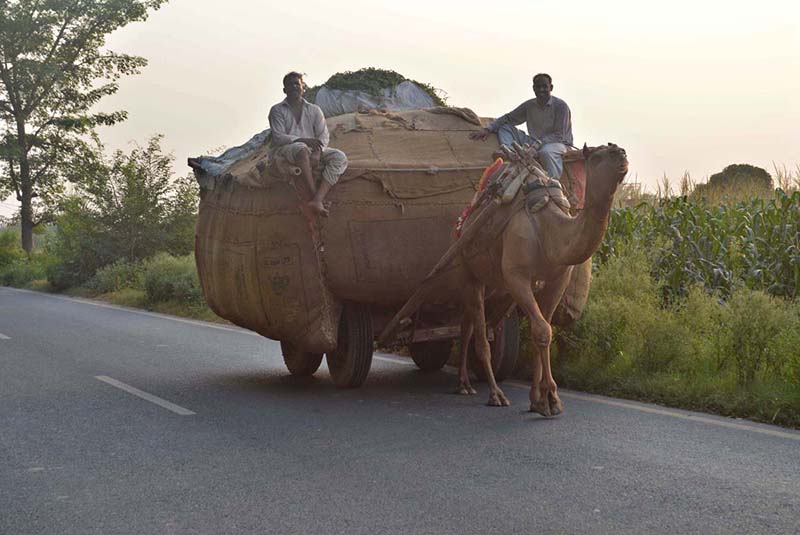
صاحب عربة جمل ينقل علفاً للحيوانات على طريق سيلانوالي
صورة نشرتها وكالة أسوشيتد برس الباكستانية تظهر صاحب عربة جمل ينقل حملاً ثقيلاً من علف الحيوانات على طريق سيلانوالي.
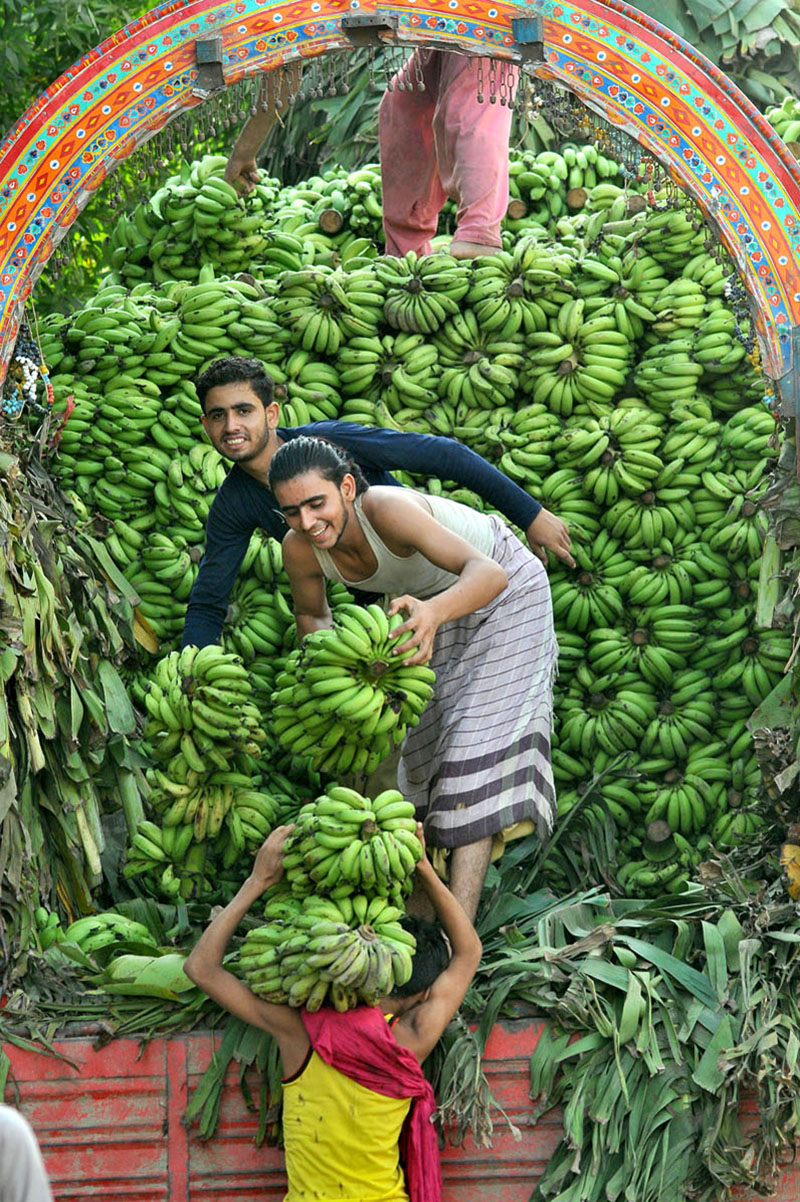
صورة توثق عمال يفرغون الموز الأخضر في سوق الفاكهة
مشهد من السوق التقطته وكالة أسوشيتدبرس الباكستانية يظهر عمالاً يقومون بتفريغ حزم من الموز الأخضر الخام من شاحنة توصيل.
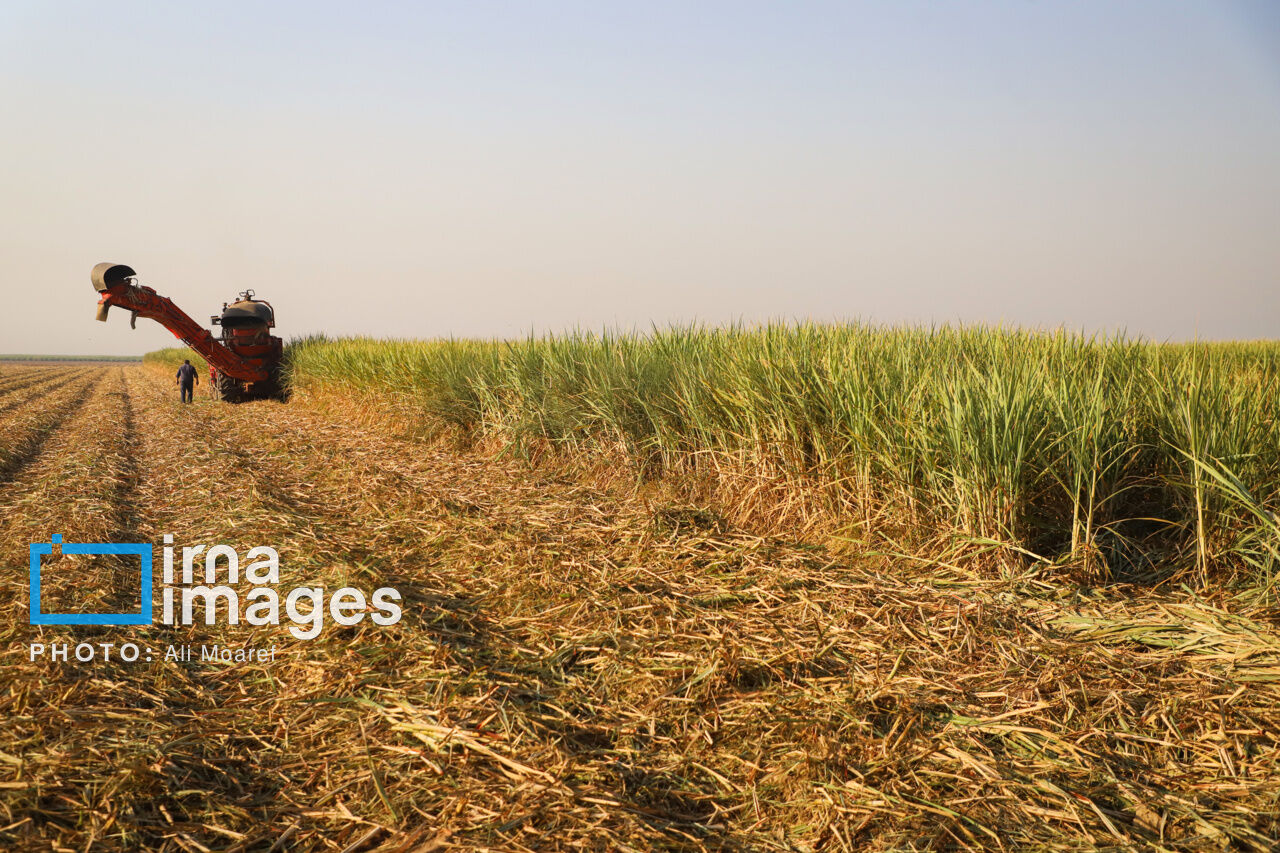
بدء زراعة قصب السكر في الأراضي الزراعية بجنوب غرب إيران
تفيد وسائل الإعلام الإيرانية الرسمية بأن زراعة قصب السكر تشمل حوالي 16,500 هكتار في محافظة خوزستان، حيث يعمل العمال في ساعات الصباح الباكرة لتجنب الحرارة الشديدة في المنطقة.
Comments
Loading comments…