World's Oldest Cheddar-Maker Adopts 'Milk-Source' Heat Pump to Cut Emissions
Barber's Farmhouse Cheesemakers is using new heat pump technology from UK startup Arkaya Energy to extract heat from fresh milk, simultaneously cooling the milk and heating water for its dairy operations.
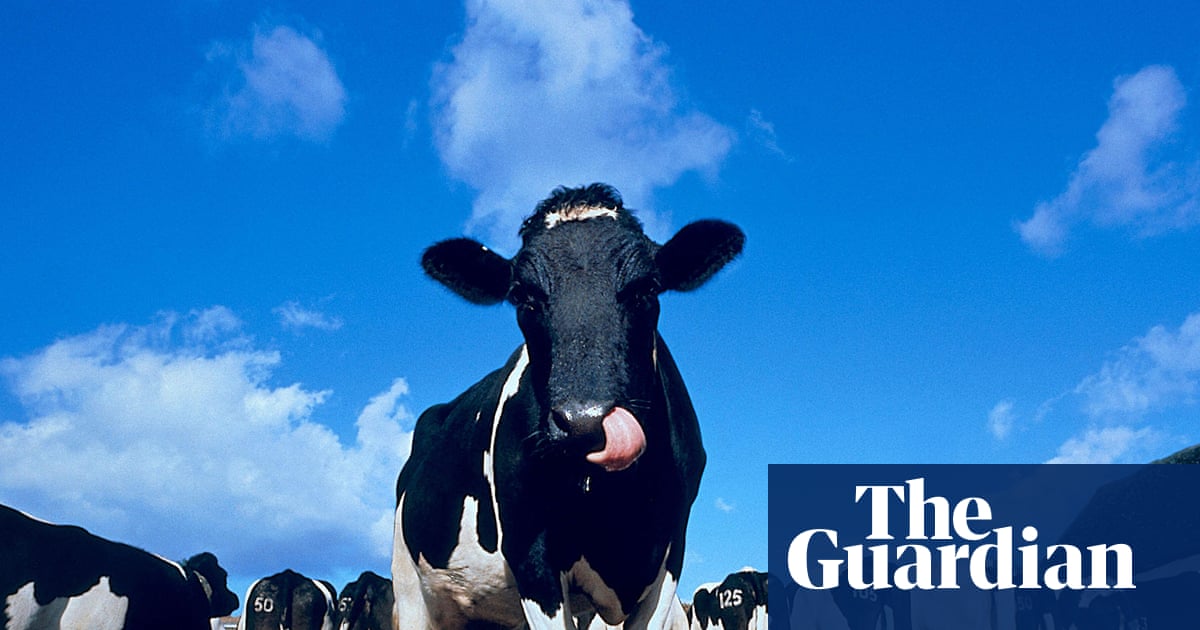
Barber's Farmhouse Cheesemakers, described by the company as the world's oldest cheddar-maker, has begun using an innovative heat pump system to reduce its carbon emissions while maintaining its traditional cheese-making methods, according to a report by The Guardian.
The company has operated from pastures in south-west England since 1833, milking grass-fed cows and using microbial starters passed down through generations to produce its award-winning cheese, which is now sold internationally, the report said.
In 2024, Barber's began using ultra-efficient heat pumps developed by UK startup Arkaya Energy, according to the report. The devices are designed to quickly cool fresh milk to keep it fresh while simultaneously heating water used in milking operations, replacing conventional chillers and electric-resistance heaters that the company previously relied on, the report said.
The Guardian reported that the technology draws enough heat from the fresh milk to bring water close to the boil, according to the source. This dual-function approach — cooling milk while heating water in a single process — is intended to slash the carbon emissions associated with the company's operations, the report said.
A representative of Barber's Farmhouse Cheesemakers was quoted in the report expressing satisfaction with the technology's performance, stating simply, "it bloody works," according to The Guardian.
The adoption of this heat pump technology represents an effort by a centuries-old traditional food producer to modernize its energy use while continuing long-standing production methods, the report indicated.
Sources
- ‘It bloody works’: why the world’s oldest cheddar-maker uses a ‘milk-source’ heat pump — The Guardian — Business
EGazette summarizes reporting from multiple sources; follow the links for the originals.
Comments
Loading comments…
Related articles
How the 2008 economic crisis reshaped the US's relationship with energy
The crisis marked a point at which the US began decoupling carbon emissions from GDP growth, though this wasn't obvious at the time.

Netflix Appears to Pivot Away From Prestige Productions
The streamer has ended some of its long-running partnerships with acclaimed directors, signaling a broader strategic shift.

Sling TV discontinues its one-day cable pass option
Dish-owned Sling TV is ending its Sling Pass feature, which let customers buy single-day or weekend access to cable programming.
Lyft settles driver misclassification lawsuit for $272.5 million
Critics say drivers are still owed far more despite the landmark settlement.

Fridman's Access to EU Assets Remains Limited Despite Sanctions Removal, Bloomberg Reports
The businessman's main EU holdings include a 37.9% stake in investment firm LetterOne, according to Bloomberg.
Germany moves to re-privatize former Gazprom subsidiary SEFE, report says
The energy company, valued at about 6 billion euros, was previously brought under state control following the disruption to Russian energy ties with Europe.