Widows of men who died by suicide back new prevention toolkit
Debbie Beard and Amanda Thorpe, who both lost their husbands to suicide, spoke about their experiences at the launch of a new suicide prevention toolkit.

Debbie Beard and Amanda Thorpe, who both lost their husbands to suicide, spoke publicly at the launch of a new suicide prevention toolkit, sharing their experiences with the BBC's Simon Jack.
The toolkit, launched as part of wider efforts around suicide prevention, aims to provide support and resources for people affected by suicide, as well as guidance for those who may be at risk. Beard and Thorpe's decision to speak publicly about their loss forms part of a broader push to reduce stigma around suicide and encourage open conversation about mental health.
Sharing personal experiences
Both women described the impact of losing their husbands, using their own experiences to highlight the importance of early intervention and accessible support systems. Their involvement in the launch reflects a growing trend of families affected by suicide taking an active role in prevention campaigns, drawing on personal loss to inform public health messaging.
Why the toolkit matters
Suicide prevention toolkits of this kind are typically designed to be used by organisations, workplaces or community groups to help identify warning signs, direct people toward professional support, and create environments where people feel able to seek help. Sporting communities in particular have increasingly focused on mental health support in recent years, following a number of high-profile cases.
Further details on the specific content of the toolkit, its intended audience, and the organisations backing its launch were not included in the original report.
If you have been affected by the issues raised in this article, support is available through national helplines and mental health organisations.
Sources
EGazette summarizes reporting from multiple sources; follow the links for the originals.
Related articles
US Navy Confirms Eight Suicide Attempts Among USS Lincoln Crew After Extended Deployment
The US Navy has confirmed eight suicide attempts among the roughly 5,000-strong crew of the USS Lincoln, which spent more than nine months at sea with only one brief port stop.

CDC youth survey shows shifts in diet, sleep and mental health among students
The Youth Risk Behavior Surveillance Survey highlights trends that align with priorities championed by Health Secretary Robert F. Kennedy Jr.'s 'Make America Healthy Again' initiative.

What to consider before buying travel insurance
Consumer expert Harry Kind outlines key factors travelers should weigh when purchasing a policy, according to the BBC.
As Loneliness Deepens, Friendship-Matching Apps Offer a Contested Fix
With surveys showing rising numbers of people without close friends, a wave of apps now promise to help users find companionship for a fee.
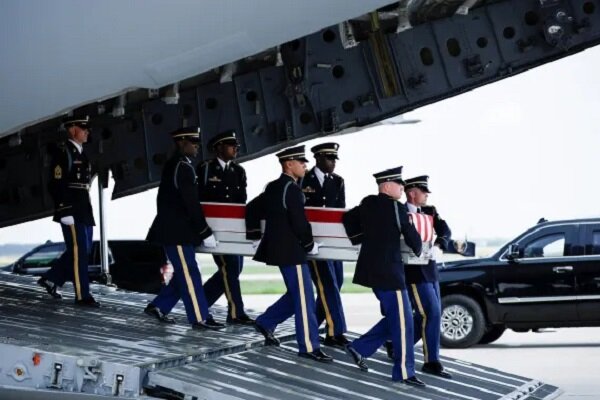
US Navy confirms eight suicide attempts among sailors on Abraham Lincoln strike group
The Navy has acknowledged multiple suicide attempts by crew members during the carrier strike group's extended deployment, according to Iranian outlet Mehr News.

US Senator Says Eight Sailors Attempted Suicide During Carrier Deployment
Senator Kirsten Gillibrand said the acting US Navy secretary told her of eight suicide attempts among personnel on the USS Abraham Lincoln following a lengthy deployment tied to the US-Iran conflict.
Comments
Loading comments…