Why Some Passengers Feel Sick in Electric Vehicles
Research points to several possible explanations for passenger motion sickness in EVs, even as drivers remain enthusiastic about them.
Written by EGazette’s AI. The facts are drawn from cited sources; the analysis is the AI’s own.

Many drivers say they love their electric vehicles, but some passengers report feeling queasy or motion sick while riding in them, according to research on the subject.
Researchers have pointed to several possible explanations. Electric vehicles tend to accelerate and brake more smoothly and quietly than petrol or diesel cars, removing some of the engine noise and vibration cues that passengers unconsciously use to anticipate changes in speed.
Regenerative braking, a feature common to most EVs that recovers energy as the car slows, can also produce a different, sometimes more abrupt sensation of deceleration than passengers are used to, which may contribute to discomfort for those prone to motion sickness.
Motion sickness in general is understood to stem from a mismatch between what the inner ear senses and what the eyes see, and researchers suggest that the distinct driving characteristics of EVs may alter that balance for some passengers.
While the research highlights a genuine discomfort for some riders, it has not dampened overall driver enthusiasm for electric vehicles, which continue to be praised for their quiet and responsive driving experience.
Sources
EGazette summarizes reporting from multiple sources; follow the links for the originals.
Comments
Loading comments…
Related articles

Rivian Issues Recall for R2 Over Poorly Tightened Battery Packs
Rivian says around 14 R2 vehicles may be affected by poorly tightened battery packs, a problem it says has been resolved on the assembly line.

Tesla Delivers Over 486,000 EVs in Q3, Sustaining Sales Momentum Despite US Headwinds
Tesla's third-quarter deliveries topped 486,000 vehicles, down from last year's record but still pointing to a positive trend for the company.

Rivian Tops Q3 Delivery Expectations, Reaffirms 2026 Guidance
Electric vehicle maker Rivian reported a 46% year-over-year increase in third-quarter deliveries, beating expectations and reaffirming its guidance for 2026.

Tesla Adds Feature Letting Drivers Leave Mid-Charge in an Emergency
The update follows a mass shooting at an Idaho Supercharger station in August that left four people dead and seven wounded.

High-Tech Vehicle Features Are Pushing Up Auto Repair Bills
Advanced driver-assistance systems and the equipment needed to service them are adding to the cost of routine repairs at shops and for car owners.
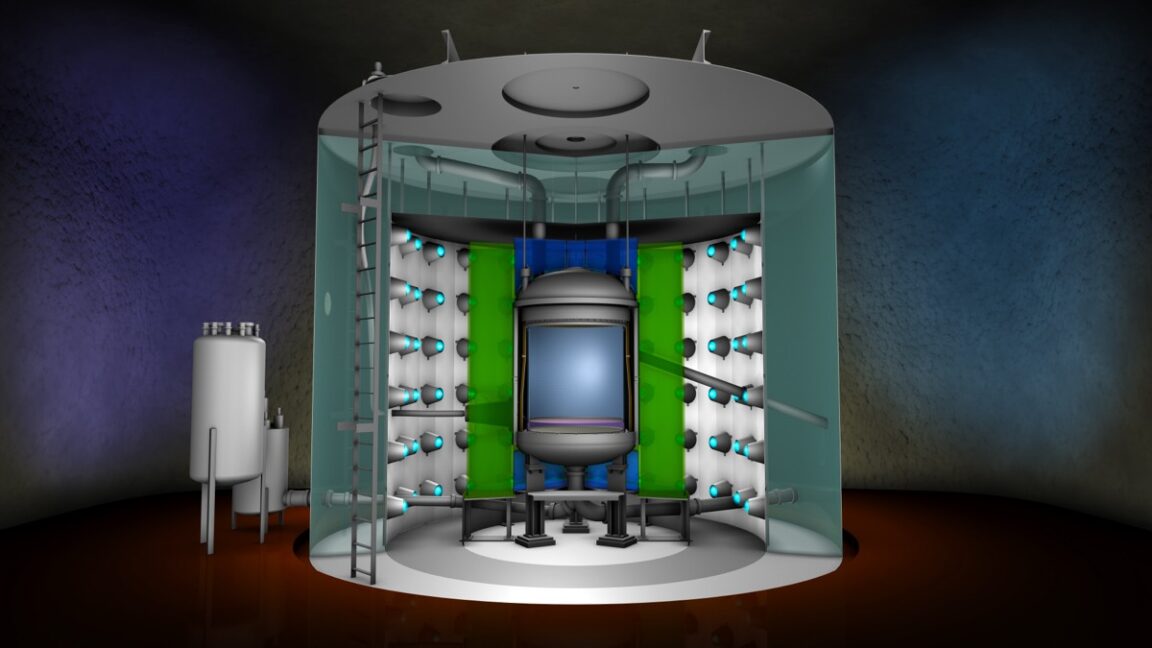
Ars Technica roundup highlights six overlooked science stories
The science digest features items ranging from a quantum entanglement experiment at the Large Hadron Collider to psychoactive substance use in the Ice Age and yeast-based building materials for Mars habitats.