Why does violence between Pakistan and Afghanistan keep recurring?
Pakistan has carried out new strikes inside Afghanistan, the latest episode in a recurring pattern of cross-border violence between the two neighbors.
Written by EGazette’s AI. The facts are drawn from cited sources; the analysis is the AI’s own.

Pakistan has carried out new strikes inside Afghanistan, the latest in a recurring cycle of cross-border violence that has periodically flared between the two neighboring countries.
The renewed strikes add to a pattern that has seen tensions rise and fall repeatedly along the Pakistan-Afghanistan border, with each new episode raising questions about the underlying drivers behind the recurring conflict.
Cross-border tensions between the two countries have long been shaped by a complex mix of security concerns, including cross-border militant activity, disputes over border demarcation, and broader regional political dynamics that have made durable de-escalation difficult to achieve.
Pakistan has previously cited security threats originating from groups operating near or across the Afghan border as a justification for military action, while such strikes have drawn criticism from the Afghan side regarding sovereignty and civilian impact.
The recurrence of violence despite periods of relative calm suggests that the core issues driving tension between Islamabad and Kabul remain unresolved, with neither side having established a lasting mechanism to prevent renewed escalation.
Observers following the relationship between the two countries continue to examine what conditions might allow for a more durable de-escalation, as the latest strikes add another chapter to a long and difficult history along the shared border.
Sources
- Why is violence between Pakistan and Afghanistan recurring? — Al Jazeera — All
EGazette summarizes reporting from multiple sources; follow the links for the originals.
Comments
Loading comments…
Related articles
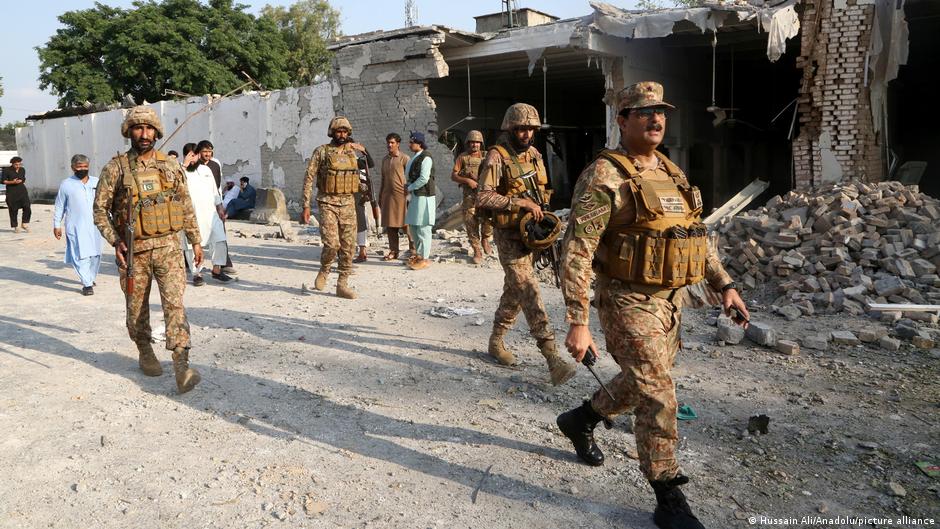
Suicide bombing at Pakistan police checkpoint kills at least 11
A suicide attack targeting a police checkpoint in Pakistan has killed at least 11 people, with the Pakistani Taliban claiming responsibility.
Lavrov says it is Europe that is preparing for war with Russia
Russia's foreign minister said European countries, not Russia, are the ones preparing for potential conflict.
Iraq says coalition headquarters will close by September 30, citing stable security
A senior Iraqi commander said no foreign military bases remain on Iraqi soil.

Powerful nor'easter brings coastal flooding, knocks out power across northeastern US
Tens of millions of people were in the path of the storm, which forecasters said would bring flooding and power outages to the mid-Atlantic and New England through the weekend.
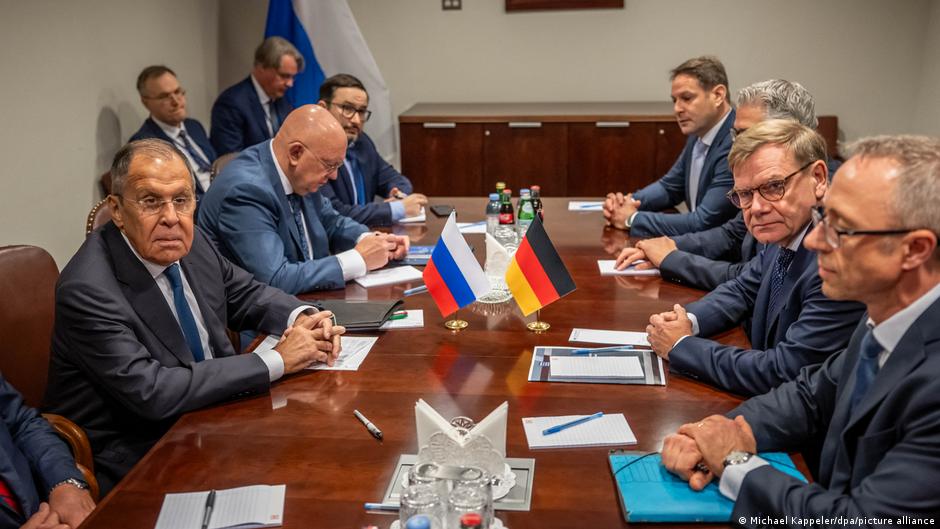
After Years of Estrangement: Surprise Meeting Between German and Russian Foreign Ministers in New York
The two ministers held the first bilateral meeting between the two countries in years, signaling an effort to keep diplomatic channels open.

DW Fact-Check: Video Claiming Merz Resignation Is Fabricated and Shows Signs of Russian Disinformation
A DW fact-check found that a clip falsely attributed to the outlet — claiming German Chancellor Friedrich Merz intends to resign — is fabricated and may be part of a disinformation campaign targeting Germany.