Why Africa's push for permanent UN Security Council seats remains stalled
Ahead of and during the UN General Assembly's 81st session, African nations continue to press for permanent seats and veto power on the Security Council, but consensus remains out of reach.
Written by EGazette’s AI. The facts are drawn from cited sources; the analysis is the AI’s own.

African nations have long pushed for permanent representation and veto power on the UN Security Council, arguing that the continent's absence from the council's permanent membership reflects an outdated post-war power structure. Yet despite years of advocacy, agreement on how to achieve that goal remains elusive.
The African Union has previously endorsed a common position, often referred to as the Ezulwini Consensus, calling for at least two permanent seats with veto power and additional non-permanent seats for African states. The proposal has repeatedly failed to gain the broader international consensus needed for Security Council reform, a process that requires approval from existing permanent members and a wide majority of UN member states.
Persistent obstacles
Security Council reform efforts have stalled for decades across multiple fronts, not only regarding African representation but also broader debates over how many new permanent and non-permanent seats should be created and which countries or regions should hold them. Existing permanent members, who hold veto power over such changes, have shown limited appetite for reforms that could dilute their own influence.
As the UN General Assembly's 81st session continues, African diplomats and officials have again raised the issue, framing it as a matter of historical redress and global legitimacy. Without a breakthrough among the council's permanent members, however, the reform process is likely to remain gridlocked.
Sources
- UNGA81: Why has Africa’s Security Council reform push remained unresolved? — Al Jazeera — All
EGazette summarizes reporting from multiple sources; follow the links for the originals.
Related articles
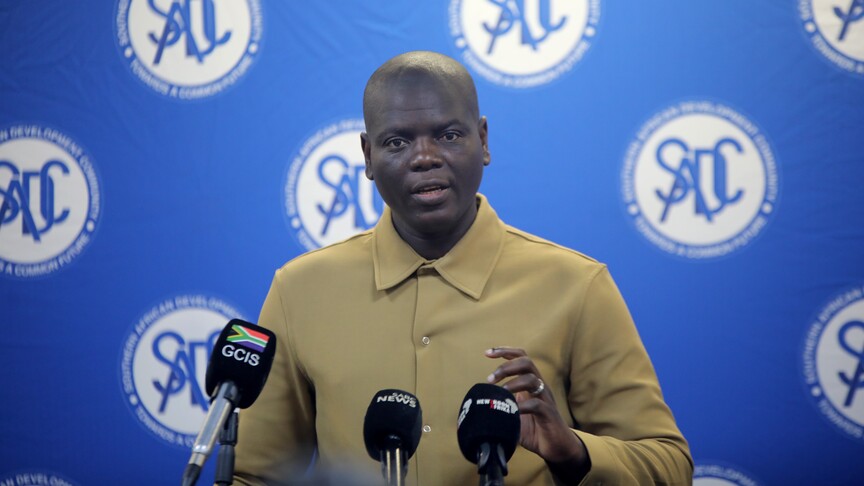
South Africa, Malaysia lead 40 nations urging stronger enforcement of international law at the UN
A joint statement from 40 countries argues that international law's authority depends on enforcement, not just declaration.

UN: Hormuz blockade could threaten at least 45 million people with food shortages
A senior UN official said the humanitarian crisis could be avoided if several fertilizer-carrying ships are allowed through the strait each day.
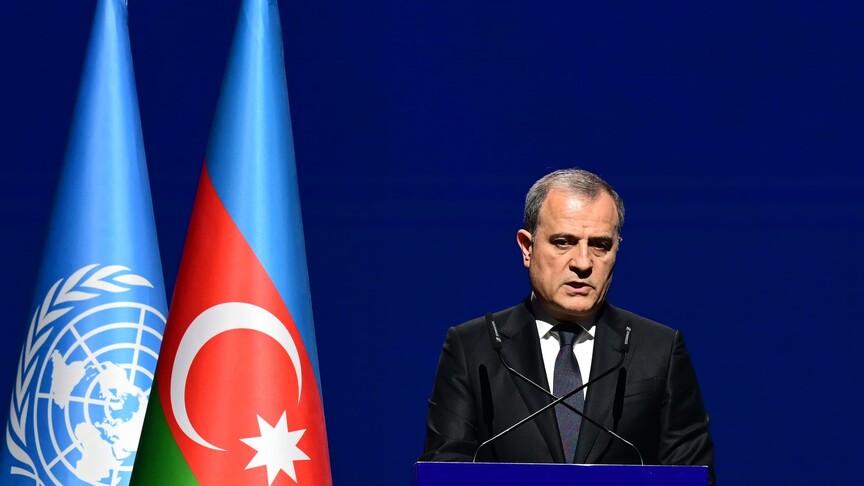
Azerbaijan urges multilateral reform, says it has achieved 'de facto peace' with Armenia
Foreign Minister Jeyhun Bayramov made the remarks in an address to the UN General Assembly.

Plane Crash in DR Congo Kills More Than a Dozen
Civilians and senior military officials are among 14 people killed after an army plane crashed into a residential area, according to Al Jazeera.
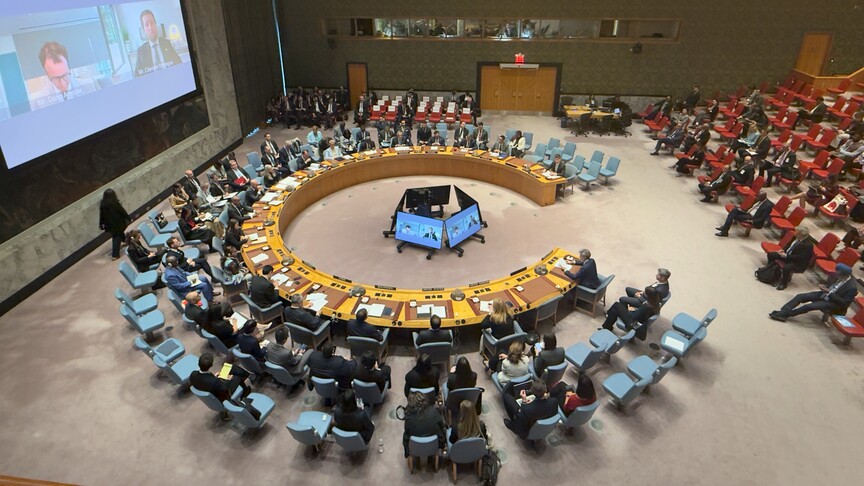
Pacific island leaders warn of climate threats at UN General Assembly
Leaders from Tuvalu, the Solomon Islands and Papua New Guinea highlighted risks facing their islands.
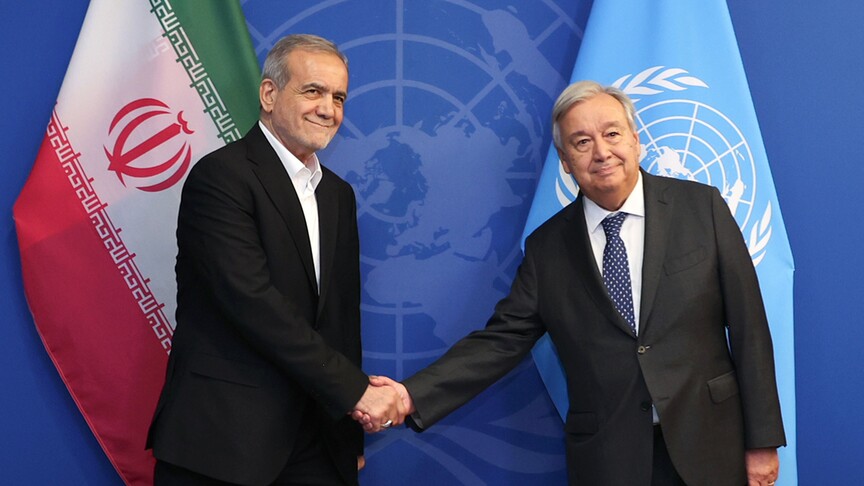
UN Chief Guterres, Iran's Pezeshkian Discuss Diplomacy and Strait of Hormuz
Guterres reaffirmed UN support for diplomatic efforts as Tehran floated a seven-day plan to reopen the strategic waterway, according to Anadolu Agency.
Comments
Loading comments…