White House Rejects Global Governance Push Over “Superintelligence”
A senior White House technology official said the United States will not accept international efforts to place advanced artificial intelligence development under global governance.
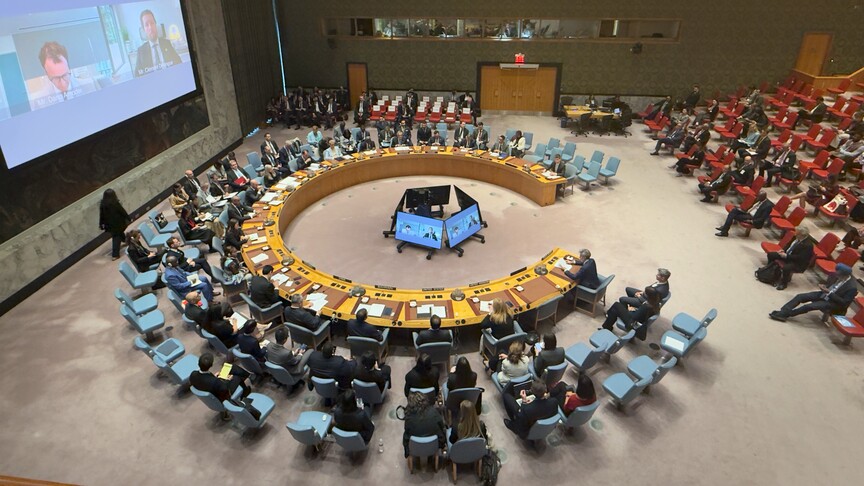
The United States has firmly rejected any attempt by international bodies to place oversight of advanced artificial intelligence, often described as “superintelligence,” under a system of global governance, according to a senior White House official.
The White House chief technology officer said that while international dialogue on artificial intelligence is welcome, discussions in multilateral forums must not be allowed to evolve into a framework of global governance over the technology’s development.
“International dialogue in this forum and in others cannot be allowed to drift towards global governance,” the official said, signaling that Washington intends to retain national control over how artificial intelligence, including highly advanced systems sometimes referred to as superintelligence, is regulated and developed.
The remarks reflect a broader position within the current US administration that has generally favored limiting international regulatory authority over emerging technologies, arguing that national governments, rather than global institutions, should set the terms for artificial intelligence oversight.
The statement comes amid ongoing international discussions about how to manage the risks and benefits of rapidly advancing AI systems, with various governments and technology companies weighing in on questions of safety, competition and regulation.
No further details were immediately available on which specific forum or proposal prompted the comments, or what alternative approach the administration favors for addressing AI safety concerns on the international stage.
Sources
- US 'totally rejects’ any attempt to control ‘superintelligence' — Anadolu Agency (Turkey)
EGazette summarizes reporting from multiple sources; follow the links for the originals.
Related articles
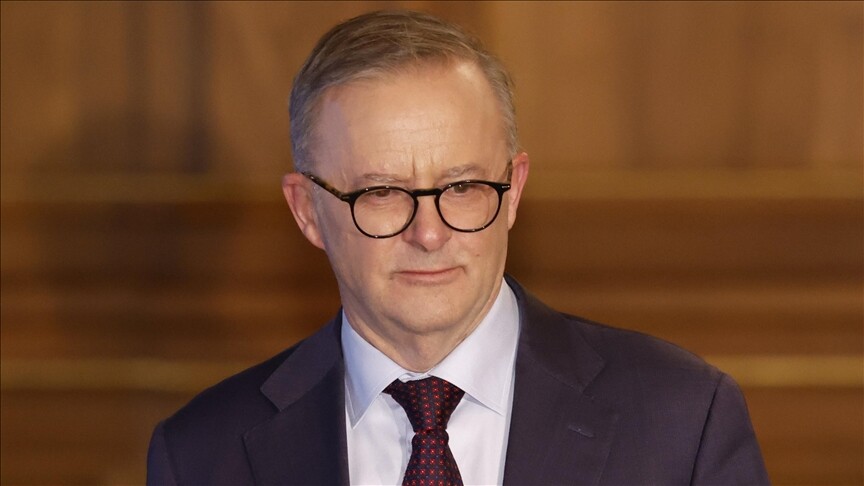
Australian PM warns Indo-Pacific is not a 'chessboard' for superpower rivalry
Anthony Albanese says strategic competition between China and the US is the most consequential factor shaping the region.

Reports say US withheld Sudan army chief's UN visa over truce plan
Media reports indicate Washington held back a visa for Sudan's army chief Abdel Fattah al-Burhan in an apparent effort to press him toward accepting a 90-day truce proposal.

Ukrainian delegation meets US envoys on sidelines of UN General Assembly
President Volodymyr Zelensky said the talks with US officials followed his own meeting with President Trump at the United Nations.

Trump-Xi summit: trade, AI and Iran expected to top the agenda
The leaders of the United States and China are set for their third in-person meeting in a year, with discussions expected to cover trade, artificial intelligence and Iran.
Experts Warn Trump-Xi Summit May Be More Symbolic Than Substantive
Trade, artificial intelligence and security are on the agenda, but analysts say rebuilding trust between the two leaders may take priority over major agreements.
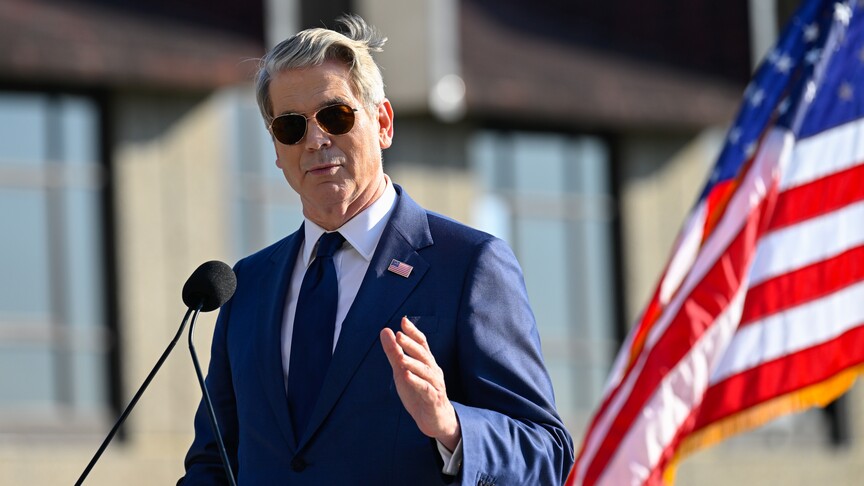
US Treasury Secretary Questions How Iran's UN Delegation Will Get Home Amid Sanctions
Scott Bessent says Washington is intensifying economic pressure on Iran, complicating travel arrangements for its diplomats.
Comments
Loading comments…