What Is Saudi Arabia’s East-West Pipeline, and What Does Its ‘Precautionary’ Shutdown Mean?
An explainer on the Petroline system, Saudi Arabia’s key overland crude route that bypasses the Strait of Hormuz, following reports of a precautionary shutdown.
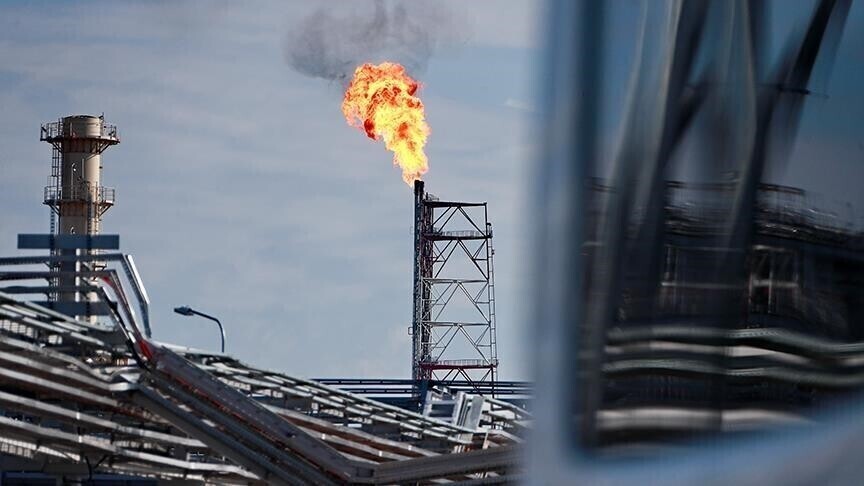
Saudi Arabia’s East-West pipeline, commonly known as Petroline, is one of the kingdom’s most strategically important crude oil transport routes, according to Anadolu Agency.
The pipeline runs from Abqaiq, near the country’s major oil-producing region in the east, to the Red Sea port of Yanbu in the west, the report said.
Anadolu Agency reported that the pipeline has the capacity to transport around 7 million barrels of crude oil per day, making it a central artery in Saudi Arabia’s energy infrastructure.
According to the report, the pipeline’s significance lies in its function as the kingdom’s main overland route for moving crude, allowing Saudi Arabia to bypass the Strait of Hormuz, the narrow waterway between Iran and Oman through which a large share of global oil shipments normally pass.
By routing crude overland to the Red Sea, Saudi Arabia can avoid dependence on the strait, which has periodically been a flashpoint for regional tensions affecting maritime oil traffic.
Anadolu Agency’s report referenced a “precautionary” shutdown of the pipeline, though the source material reviewed did not provide additional detail on the specific circumstances, timing, or duration of the shutdown, nor the reasons cited by authorities for the measure.
The pipeline’s scale and role as an alternative to the Strait of Hormuz mean that any disruption to its operation is closely watched by energy markets, given Saudi Arabia’s position as one of the world’s largest crude oil exporters.
Sources
- EXPLAINER – What is Saudi Arabia’s East-West pipeline, and what its ‘precautionary' shutdown means? — Anadolu Agency (Turkey)
EGazette summarizes reporting from multiple sources; follow the links for the originals.
Related articles
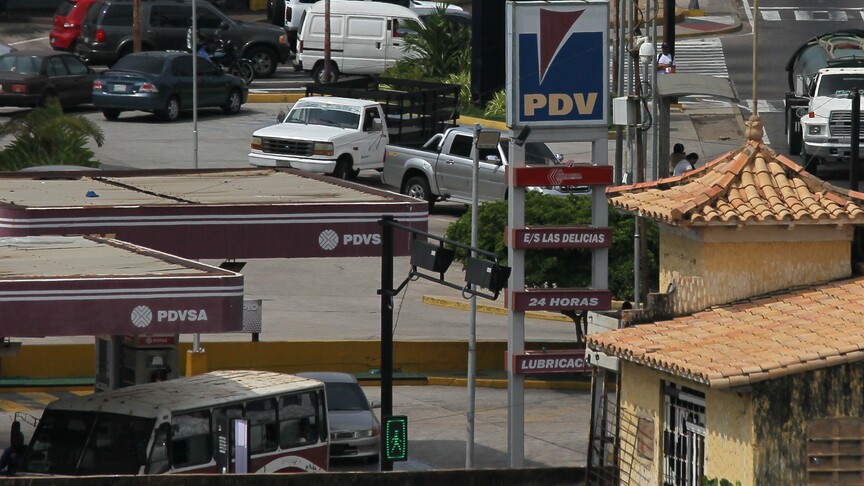
Venezuela's PDVSA Signs Energy Cooperation Deal with TotalEnergies Subsidiary
Acting President Delcy Rodriguez oversaw the signing of an agreement between state oil company PDVSA and TotalEnergies E&P New Ventures in Caracas, according to Anadolu Agency.
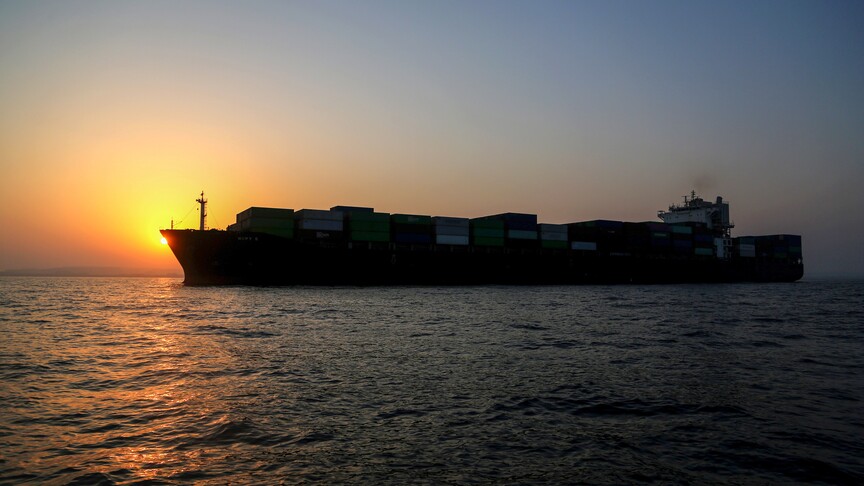
Iran Says Strait of Hormuz Will Stay Closed Until US Meets Its Conditions
Parliament speaker says Tehran has relayed its demands to Washington through intermediaries and will not reopen the strategic waterway until they are satisfied

Jordan, Bahrain Condemn Houthi Attacks on Saudi Arabia
The two nations reaffirm solidarity with Riyadh following reported drone interceptions and security alerts.
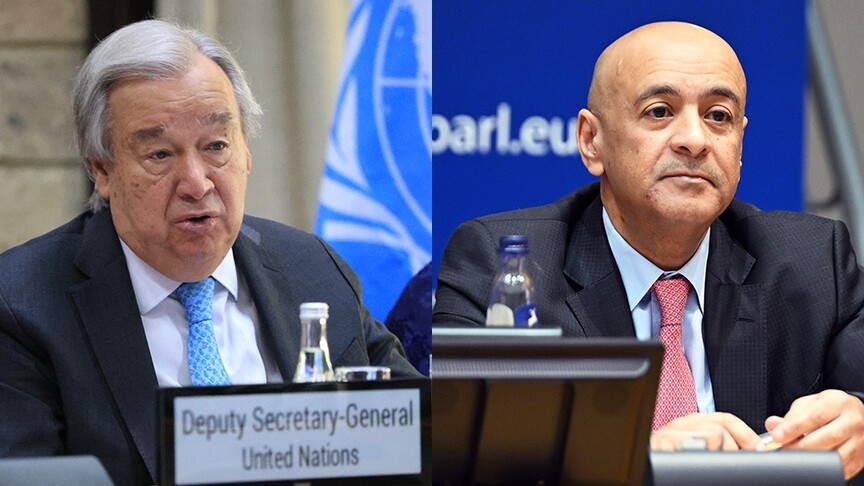
UN, GCC leaders condemn Houthi attacks on Saudi Arabia
UN Secretary-General Antonio Guterres and Gulf Cooperation Council chief Jasem Mohamed Albudaiwi said the attacks on civilian infrastructure threaten regional stability.

Iran Sets Terms for Peace as Saudi Forces Block Attack on Riyadh
Tehran's security chief has outlined conditions for ending conflict, including cessation of hostilities and removal of U.S. naval restrictions.
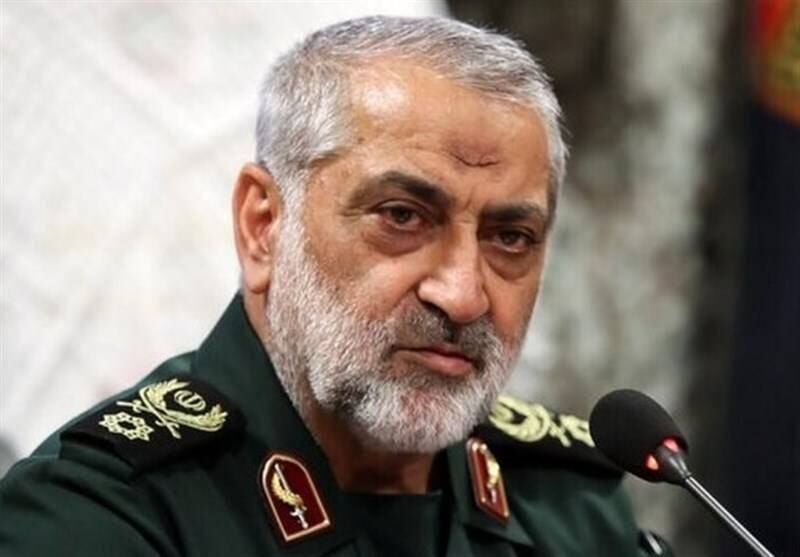
Iranian General Says Tehran Retains "Initiative" in Strait of Hormuz, Rejecting US Claims
Armed Forces spokesperson Brigadier General Abolfazl Shekarchi dismissed recent American statements about the strategic waterway, according to Iran's IRNA news agency.
Comments
Loading comments…