Video Falsely Claiming to Show Xenophobic Scene in France Actually Filmed in Algeria
A video shared as evidence of demographic change in a French shopping centre was in fact filmed in Algeria, according to a fact-check.

A video that circulated online purporting to show a shopping centre visit filmed in France has been found to have actually been filmed in Algeria, according to a fact-checking investigation.
The video, which sparked outrage among far-right internet users, was presented as depicting a shopping centre with a clientele composed largely of foreign nationals, framed as evidence for claims about demographic change in France. Users sharing the video suggested it illustrated a supposedly xenophobic narrative about immigration's visible impact on French public spaces.
Origins traced to Algeria
However, verification of the video's origins showed that the footage was in fact recorded in Algeria, not France as claimed by those circulating it. The mislabeling misrepresented the video's true location and context, undermining the narrative it was being used to support.
The episode illustrates a recurring pattern in which video content is stripped of its original context and recirculated with false claims about its location or subject matter, often to support particular political or social narratives online.
Fact-checkers noted that such misattributions can spread rapidly on social media platforms before corrections catch up, particularly when the false framing aligns with pre-existing narratives that users are inclined to share without independent verification.
Sources
- Comment une vidéo xénophobe a fait passer un centre commercial algérien pour français — France 24 — Français
EGazette résume des articles de plusieurs sources ; suivez les liens pour les originaux.
Articles liés

En bref : Diomaye Faye sur France 24 : FMI, Macky Sall, Ousmane Sonko… ce qu’il faut retenir de l'interview
Le reportage de France 24 — Français résume les principaux éléments disponibles, en maintenant les affirmations attribuées à leurs sources.
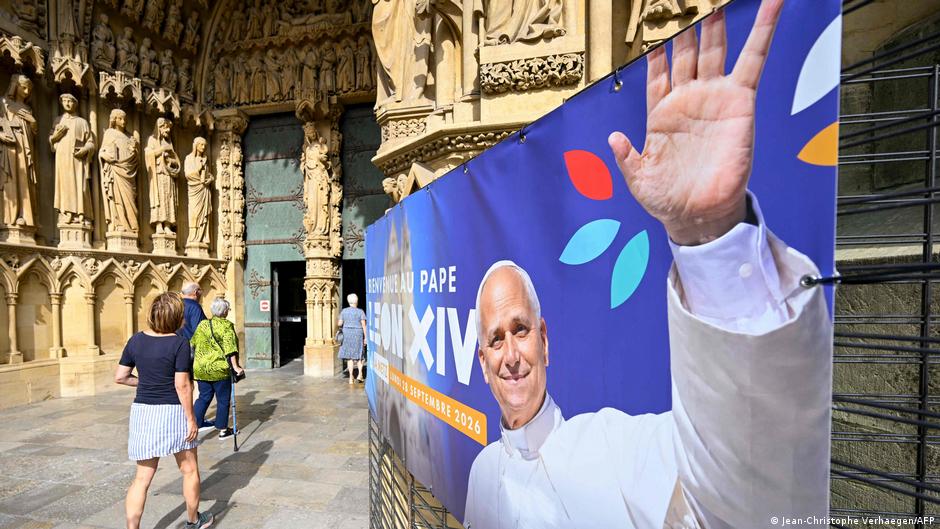
La « fièvre papale » s’empare de la France à l’approche de la visite du pape Léon XIV
Le pape Léon XIV devrait attirer de grandes foules lors de sa visite en France, où il abordera également les défis qui se posent pour l’avenir de l’Europe.

🔴 à la suite de la France, l'UE sanctionne à son tour la chroniqueuse russe pro-Kremlin Xenia Fedorova
Le reportage de France 24 — Français résume les principaux éléments disponibles, en maintenant les affirmations attribuées à leurs sources.

En bref : Expulsée de France, la chroniqueuse pro-Kremlin Xenia Fedorova désormais sanctionnée par l'UE
Le reportage de France 24 — Français résume les principaux éléments disponibles, en maintenant les affirmations attribuées à leurs sources.

« Recevoir le pape, ce n'est pas rien » : à la Maison Bakhita, bénévoles et exilés attendent Léon XIV
Le pape Léon XIV doit visiter samedi la Maison Bakhita, dans le 18e arrondissement de Paris, un lieu d'accueil pour personnes exilées ouvert par le diocèse il y a cinq ans.

J-1 avant l'arrivée du pape en France : plus d'un million de visiteurs attendus
Le pape Léon XIV doit atterrir vendredi à Orly pour une visite de quatre jours entre Paris, Lourdes et Metz, avec un dispositif de sécurité exceptionnel.
Comments
Loading comments…