US Tech Leaders Cite China Competition to Defend Rapid AI Development
President Trump and Silicon Valley executives point to fears of China overtaking the US in artificial intelligence as a reason not to slow the technology's development, according to the Guardian.
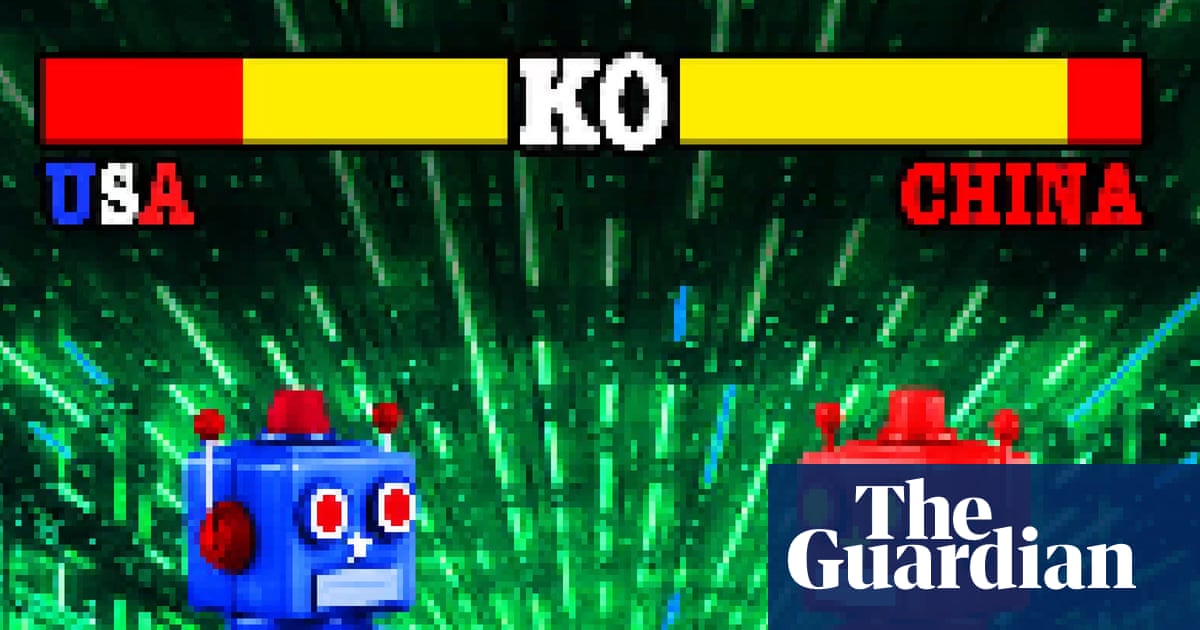
President Donald Trump this week rejected calls to slow the development of artificial intelligence, citing competition with China as a central reason, according to a report by the Guardian.
When reporters asked Trump whether he supported proposals to slow AI development amid growing concerns about cybersecurity, public safety and long-term risks to humanity, he said he did not. "We're leading China in AI," Trump said, according to the report. "We're the most sophisticated country in the world, and frankly, I want to keep it that way, because whoever wins AI, wins."
The Guardian reported that concerns about China surpassing the United States in artificial intelligence capabilities have become a significant factor shaping how American technology executives discuss the risks and benefits of the technology. Among those cited is Anthropic CEO Dario Amodei, described in the report as one of several Silicon Valley figures characterized as "China hawks."
According to the report, some of these executives express concern both about the possibility of advanced AI systems posing catastrophic risks to humanity and about the prospect of China overtaking the US in AI development. The Guardian's report suggests these two concerns—fear of AI's potential dangers and fear of losing ground to China—have become intertwined in industry and political discourse over AI policy.
The report frames the China comparison as a recurring argument used by figures in government and the technology industry to justify continued rapid development of AI systems, rather than slowing down due to safety concerns.
The Guardian's report did not provide further detail in the excerpt on specific policy proposals for slowing AI development or additional context on the current state of the US-China AI competition.
Sources
- China bogeyman looms large over American firms’ AI doomsday scenario — The Guardian — Business
EGazette résume des articles de plusieurs sources ; suivez les liens pour les originaux.
Articles liés

Saint-Pierre-et-Miquelon : Macron réaffirme la souveraineté française face aux visées prêtées à Donald Trump
En visite sur l'archipel, le président français a insisté sur l'appartenance du territoire à la France, avant une rencontre prévue dimanche avec le premier ministre canadien Mark Carney.

Des journalistes de CNN, MS NOW et Politico se voient refuser l'accès à la Maison-Blanche suite à l'interdiction de Trump
Al Jazeera a rapporté que des journalistes de ces trois médias ont été bloqués à la Maison-Blanche suite à une interdiction annoncée par le président Donald Trump.

En Asie, l'imprévisibilité de Donald Trump incite les alliés de Washington à revoir leur stratégie de sécurité
Face aux ambitions régionales de Pékin, plusieurs partenaires historiques des Etats-Unis renforcent leurs liens bilatéraux et leurs capacités de défense, dans un contexte de doutes croissants sur la fiabilité américaine.

États-Unis : des figures républicaines prennent leurs distances avec Donald Trump avant les midterms
À l'approche des élections de mi-mandat, plusieurs personnalités du Parti républicain critiquent la politique migratoire du président et les dérives de certains courants de la formation, selon RFI.

Emmanuel Macron réaffirme la souveraineté de Saint-Pierre-et-Miquelon face aux visées de Donald Trump
Le président français, arrivé samedi sur l'archipel de l'Atlantique Nord, doit y recevoir le premier ministre canadien Mark Carney, selon Le Monde.
CNN, MS NOW et Politico interdits d'accès à la Maison Blanche
Donald Trump justifie cette mesure en accusant ces médias de diffuser en permanence de « fausses informations » à son sujet, une décision largement dénoncée comme une atteinte à la liberté de la presse.
Comments
Loading comments…