US Releases Details of $30 Billion Tariff-Cut Framework Agreed With China
The framework would lower tariffs to most-favored-nation rates on roughly 90% of covered products, according to newly released details.
Written by EGazette’s AI. The facts are drawn from cited sources; the analysis is the AI’s own.
The United States has released details of a previously agreed framework with China that would cut tariffs on goods worth an estimated $30 billion, according to Anadolu Agency.
Under the framework, about 90% of the products covered would see their tariffs reduced to most-favored-nation (MFN) rates, the standard baseline tariff level that World Trade Organization members typically apply to each other absent special trade agreements or disputes.
The release of these details follows earlier negotiations between Washington and Beijing over tariff levels imposed amid broader trade tensions between the two countries in recent years. Lowering tariffs to MFN rates on the bulk of covered goods would represent a significant rollback from elevated tariff levels that have applied to many Chinese imports.
Details of which specific product categories are included, and the timeline for implementation, were not immediately specified in the initial disclosure. The framework's release marks a step toward formalizing an arrangement that had been agreed upon previously but not yet made public in full.
The move is likely to be watched closely by businesses on both sides of the Pacific that have faced higher costs under existing tariff structures, as well as by other trading partners monitoring the trajectory of US-China trade relations.
Sources
- US releases details of previously agreed $30B China tariff-cut framework — Anadolu Agency (Turkey)
EGazette summarizes reporting from multiple sources; follow the links for the originals.
Comments
Loading comments…
Related articles
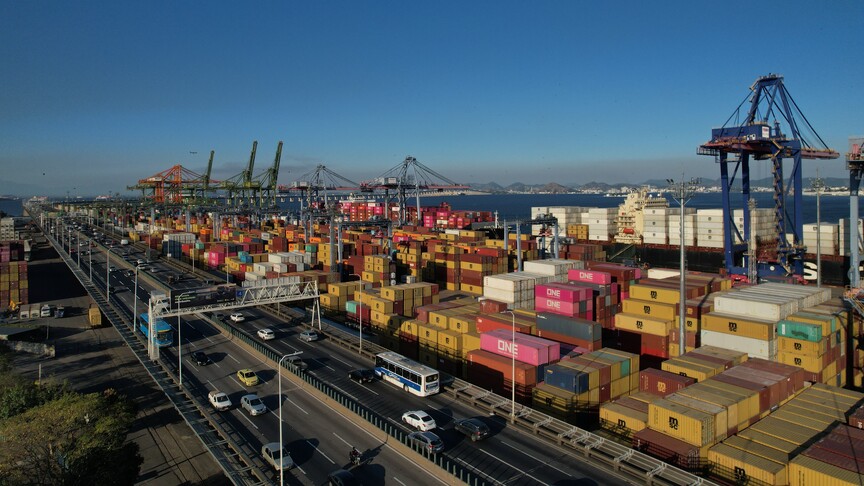
China and US Agree to Reciprocal Tariff Cuts on $30 Billion in Goods
Beijing says tariffs on about 90% of covered products will fall to most-favored-nation rates under the new agreement.
US and China publish tariff-cut lists after Trump-Xi summit
Washington and Beijing have released lists of goods recommended for tariff reductions covering an estimated $60bn in trade, following a summit between the two countries' leaders.

China's Industrial Profit Growth Slows to Weakest Pace of the Year
Profits at Chinese industrial firms rose 4.2% in August, the softest reading this year, as economists point to a need for more stimulus.
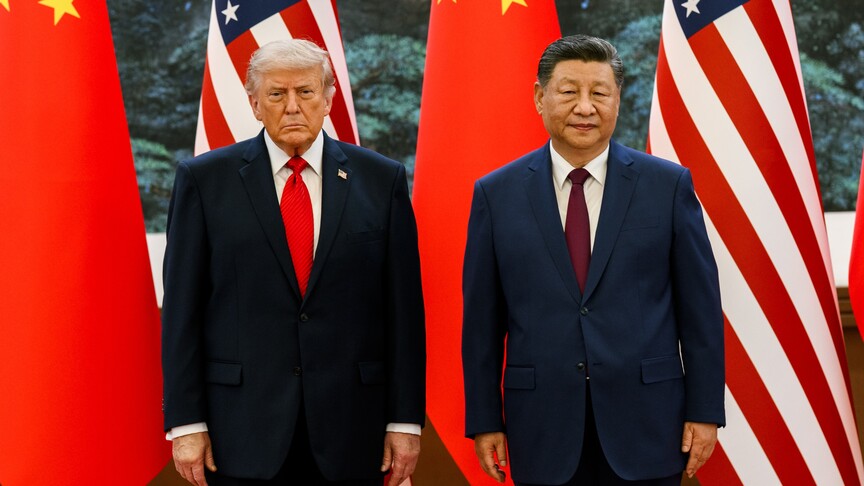
Trump Hails 'Tremendous Progress' After Meeting With Xi Jinping
The US president said 'a lot of good things are happening' following what he called an 'incredible' meeting with his Chinese counterpart.
Washington Stands Firm on Taiwan Policy Following Trump-Xi Summit, Says Envoy
US official David Perdue highlights arms sales to Taiwan while reaffirming the one-China policy.
Australia's central bank expected to raise cash rate to 4.6%, highest since 2011
The Reserve Bank of Australia is expected to hike its cash rate to its highest level in over a decade, adding pressure to mortgage repayments and house prices, according to The Guardian.