US-Iran tensions: author says Washington risks repeating history of misreading Tehran
In a broadcast interview, author and war correspondent Scott Anderson argues the United States is again misjudging Iran, drawing parallels with the 1979 revolution.

A televised discussion has revisited the long history of tension between Washington and Tehran, featuring journalist and author Scott Anderson, best known for his book on the fall of the Shah of Iran and the revolution that reshaped the country in 1979. The conversation, hosted by François Picard, examined how US policy toward Iran has evolved and where it may be repeating past mistakes.
Anderson's central argument, drawn from his research into the 1979 revolution, is that there is a striking parallel between that period and the present moment in 2026: a persistent pattern of Washington misjudging Iran's internal dynamics and the resilience of its political system, along with the unintended consequences that have historically followed from that misreading.
The discussion touched on the broader trajectory of US-Iran relations, a relationship marked by decades of confrontation since the 1979 revolution toppled the US-backed monarchy and brought the current Islamic Republic to power. Anderson's book, drawing on years of reporting from the region, has been cited as a reference point for understanding how external powers have historically underestimated the durability of Iran's political order.
The interview comes amid a period of heightened confrontation between the United States and Iran, with Anderson suggesting that any US strategy premised on a swift or decisive resolution risks underestimating the complexity of Iranian domestic politics, much as previous administrations did in the lead-up to and aftermath of the 1979 revolution.
While the discussion did not detail specific current military or diplomatic developments beyond the historical framing, it underscored a recurring theme in analysis of US-Iran relations: that policy built on assumptions of an imminent change in Tehran's posture has repeatedly been confounded by the durability of Iran's political system, a pattern Anderson argues policymakers would do well to study before drawing conclusions about the present standoff.
Sources
- US war on Iran: Trump will ‘declare victory and go home’, embracing the ‘Greenland option’ — France 24 — English
EGazette summarizes reporting from multiple sources; follow the links for the originals.
Related articles
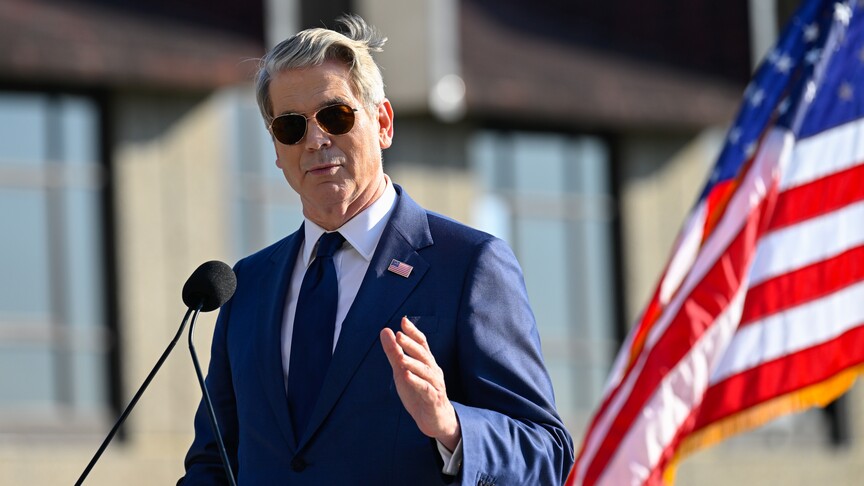
US Treasury Secretary Questions How Iran's UN Delegation Will Get Home Amid Sanctions
Scott Bessent says Washington is intensifying economic pressure on Iran, complicating travel arrangements for its diplomats.
Tehran criticizes Canada over response to Trump's threat against Iran
Iranian officials say Canada's response to a US threat to 'annihilate' Iran amounted to appeasing Washington rather than condemning the remarks.
Ukrainian, Iranian top diplomats discuss steps to prevent further tensions
Foreign ministers Sybiha and his Iranian counterpart met on the sidelines of the UN General Assembly to discuss diplomatic engagement.
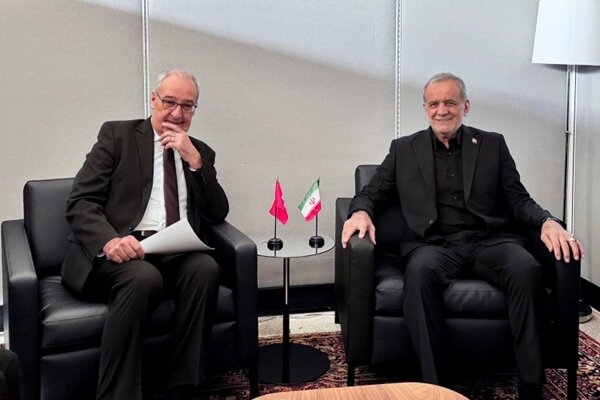
Pezeshkian reiterates Iran's resolve to resist external pressure
Iran's president says Tehran will not bow to force or threats, while stressing diplomacy as the path to resolving disputes.
Australian PM warns Indo-Pacific is not a 'chessboard' for superpower rivalry
Anthony Albanese says strategic competition between China and the US is the most consequential factor shaping the region.
Reports say US withheld Sudan army chief's UN visa over truce plan
Media reports indicate Washington held back a visa for Sudan's army chief Abdel Fattah al-Burhan in an apparent effort to press him toward accepting a 90-day truce proposal.
Comments
Loading comments…