US Blocks Iran's Nuclear Chief From Attending IAEA Conference in Vienna
Iranian officials say Washington pressured Austria to revoke a visa for Mohammad Eslami, head of Iran's Atomic Energy Organization, ahead of a key International Atomic Energy Agency gathering.

Iran has accused the United States of pressuring Austria to revoke a visa for Mohammad Eslami, the head of Iran's Atomic Energy Organization, preventing him from attending a major International Atomic Energy Agency (IAEA) conference in Vienna, according to Al Jazeera.
Iranian officials described the move as a violation of the rights of a member state, though details on the specific timing and mechanism of the visa revocation were not immediately available.
The IAEA's General Conference, held annually in Vienna, brings together representatives from member states to discuss nuclear issues, including oversight of civilian nuclear programs. Iran is a member state of the IAEA, and its attendance at such conferences has historically been a point of diplomatic significance given ongoing scrutiny of its nuclear activities.
Al Jazeera reported that Iran characterized the alleged US pressure on Austrian authorities as an infringement on its standing and participation rights within the international body. The report did not include a direct response from US or Austrian officials regarding the accusation.
The incident comes amid continued international attention on Iran's nuclear program and diplomatic tensions between Tehran and Washington. Further details on the specific circumstances of the visa denial, including any formal statements from Austrian or American authorities, were not immediately available.
Sources
- US blocks Iran nuclear chief from attending key Vienna conference — Al Jazeera — All
EGazette summarizes reporting from multiple sources; follow the links for the originals.
Related articles
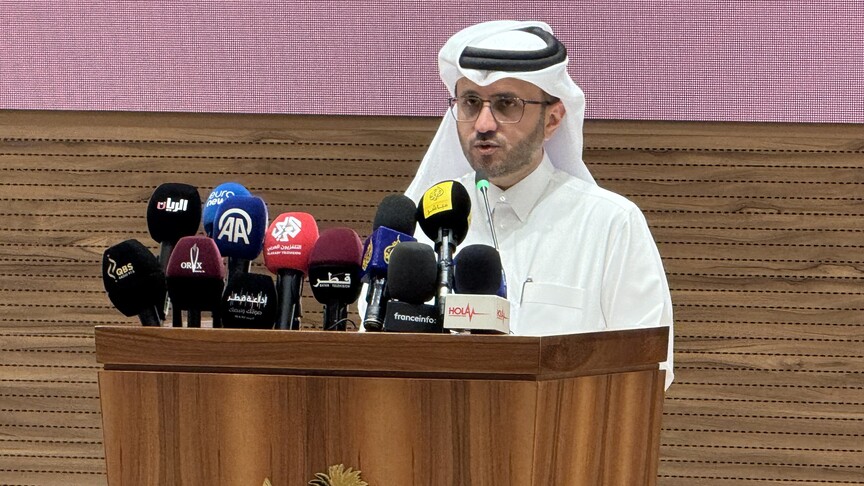
Qatar Says It Is Mediating to Revive US-Iran Talks
Qatari officials say mediators are shuttling between capitals in an effort to restart stalled negotiations between Washington and Tehran
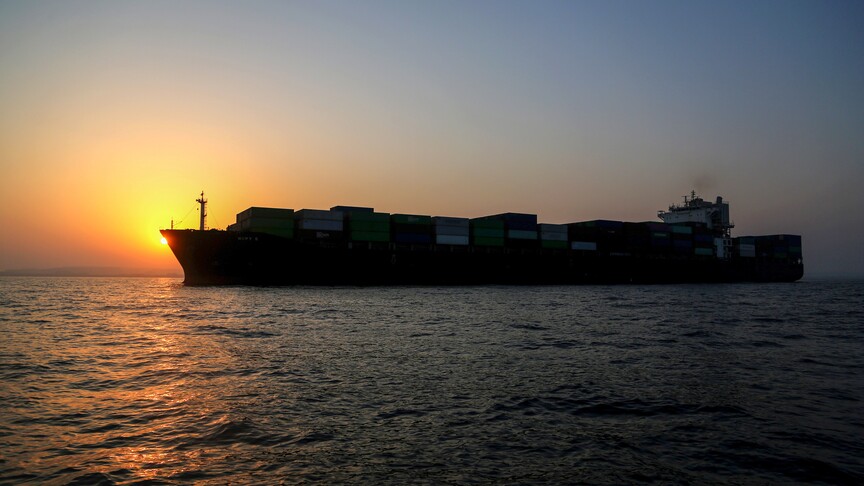
Iran Says Strait of Hormuz Will Stay Closed Until US Meets Its Conditions
Parliament speaker says Tehran has relayed its demands to Washington through intermediaries and will not reopen the strategic waterway until they are satisfied
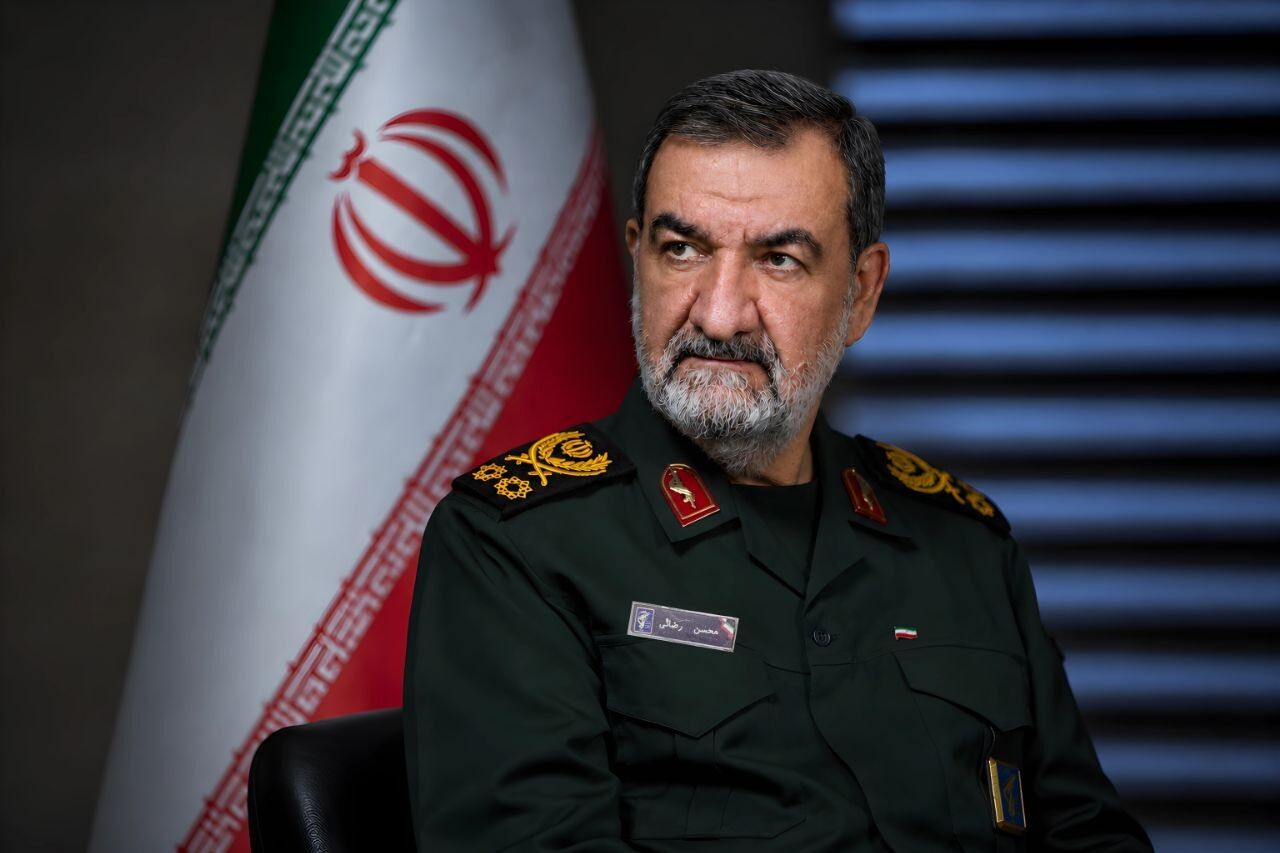
Iran Security Official Says Country Ready to Respond If US Resumes Military Action
Mohsen Rezaei, secretary of Iran's Supreme National Security Council, said Tehran is prepared to defend itself and respond forcefully to any renewed US military aggression, according to IRNA.
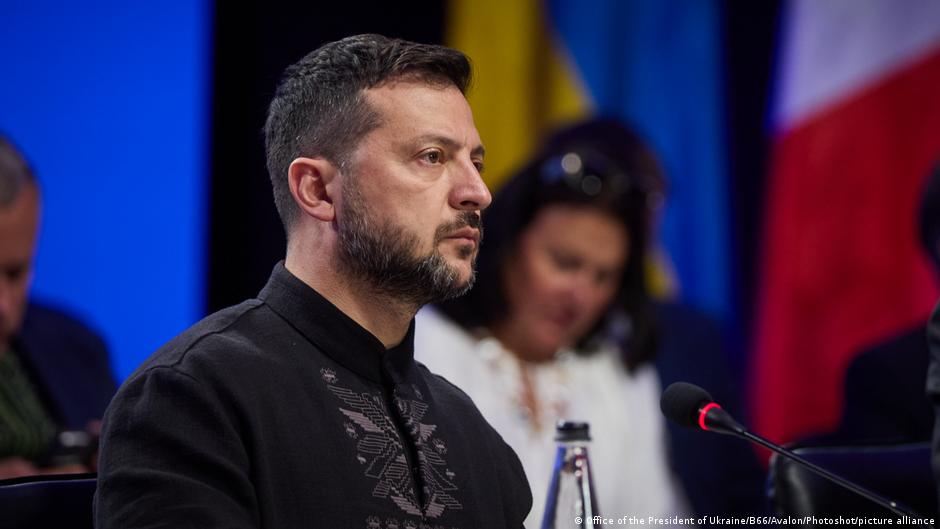
Ukraine, Russia and US Said to Prepare New Round of Mediated Talks
Officials in Kyiv and Moscow indicate trilateral discussions could resume in October, though expectations for a breakthrough remain low.

Houthis Emerge as Key Player in Iran's Regional Network, Analysts Say
Following battlefield gains in Yemen, the Houthi movement is being described as increasingly central to Iran's so-called "axis of resistance," a role once dominated by Lebanon's Hezbollah.
Armenian Ambassador Calls for Expanded Iran-Armenia Rail and Trade Links
Grigor Hakobyan says connecting the two countries’ railway networks would give Armenia access to southern seas and diversify Iran’s trade routes to Europe
Comments
Loading comments…