A "Cognitive Warfare" Campaign: How Moscow Trains Foreign Journalists to Extend Its Influence
According to a report from the American Institute for the Study of War (ISW), Russia is building a global network of media professionals, particularly in Africa and Asia, to disseminate its narratives over the long term.

Russia is reportedly developing a long-term influence strategy by training foreign journalists to produce more content, notably through artificial intelligence, according to a report from the American Institute for the Study of War (ISW) cited by RFI.
According to the report, Moscow is seeking to disseminate its narratives even in countries where official Russian media face sanctions, particularly in Europe and North America. By circumventing these restrictions through the training of local intermediaries, the Kremlin aims to maintain access to audiences that would otherwise be closed off to it.
The ISW describes a strategy designed across multiple generations, known as "cognitive warfare." According to the institute, this approach seeks to progressively build a body of media professionals aligned with Russian positions, particularly in Africa and Asia, two regions identified as priorities in this endeavor.
The use of artificial intelligence would be a central element of this strategy, according to the report, allowing for increased volume of content produced and distributed by journalists trained within this framework.
RFI, which dedicated a podcast to this investigation as part of its "Threats to Information" series, emphasizes that this initiative would be part of a desire for lasting influence rather than one-off operations.
Precise details about the modalities of this training, the number of journalists involved, or the specific countries targeted were not specified in the available elements of this report.
Sources
- Une «guerre cognitive»: comment Moscou forme des journalistes étrangers pour exercer une influence durable — RFI — Français
EGazette summarizes reporting from multiple sources; follow the links for the originals.
Related articles
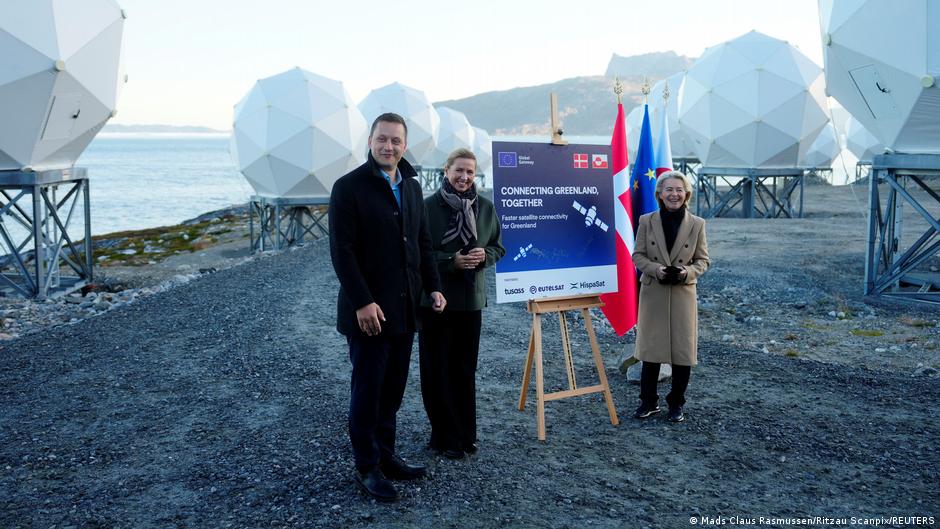
Denmark Keeps Details of Anticipated Greenland Agreement with Washington Under Wraps
Copenhagen refuses to disclose agreement terms with the United States, amid diverging portrayals by both parties

Australia appoints new diplomats to key posts in Cairo, Port Moresby, Dili, and New York
Foreign minister Penny Wong announces diplomatic appointments as part of efforts to strengthen Australia's international engagement.
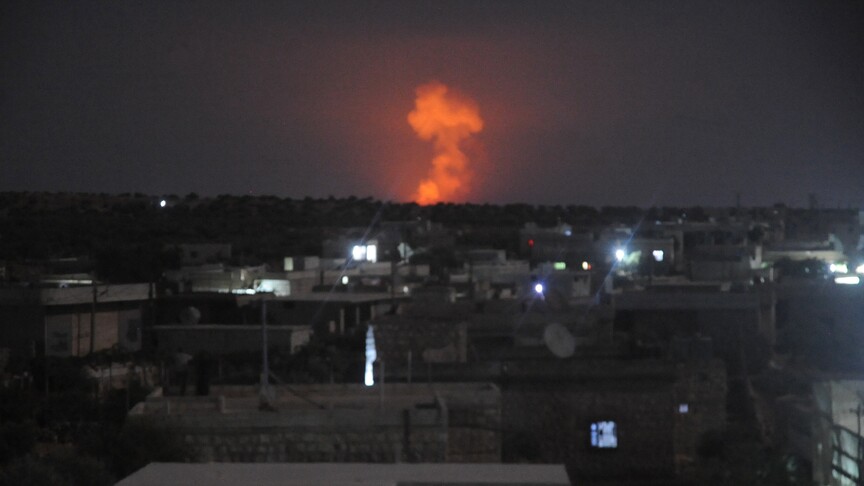
Powerful Explosions Reported in Syria's Aleppo Countryside
Blasts were heard in the town of Al-Eis, with local sources attributing them to a Defense Ministry ammunition depot, according to state media.
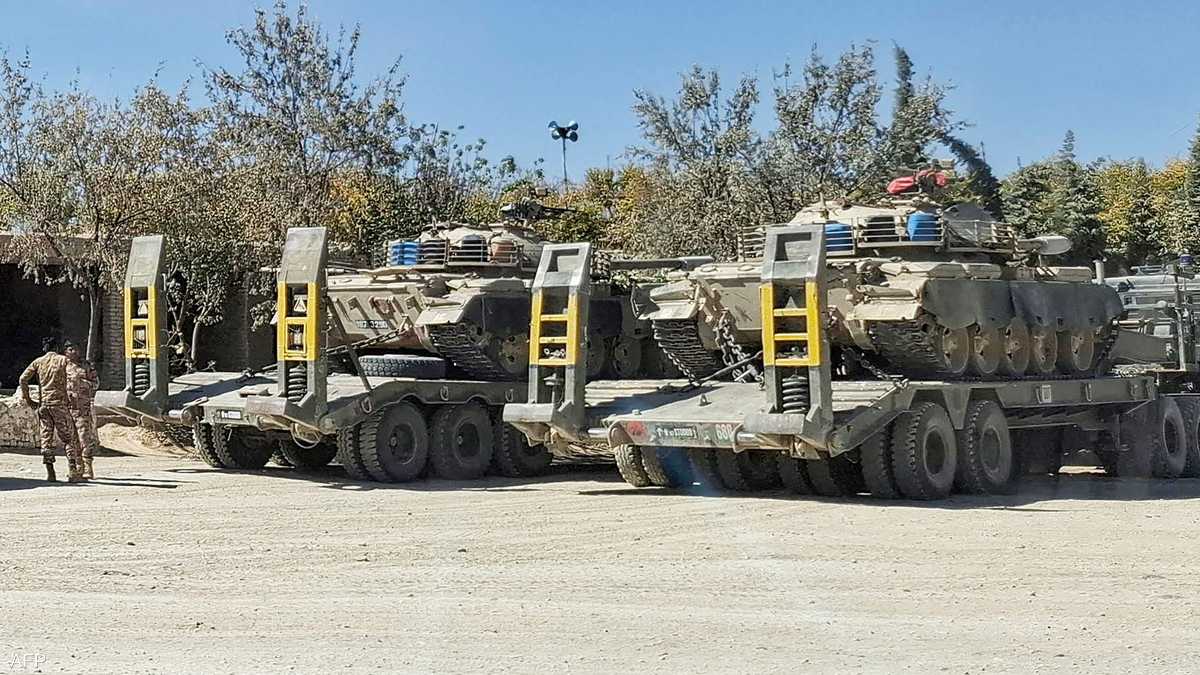
Six Pakistani soldiers, including two officers, killed in clash near Afghan border
Pakistan's military announces deaths of its personnel in Hangu area of Khyber Pakhtunkhwa amid escalating border violence.

Houthis Accuse Saudi Arabia of 28 Airstrikes in 24 Hours; U.S. Intelligence Chief Visits Cairo
The Houthis reported intensive Saudi airstrikes while residents warn of a mounting food crisis in Taiz.
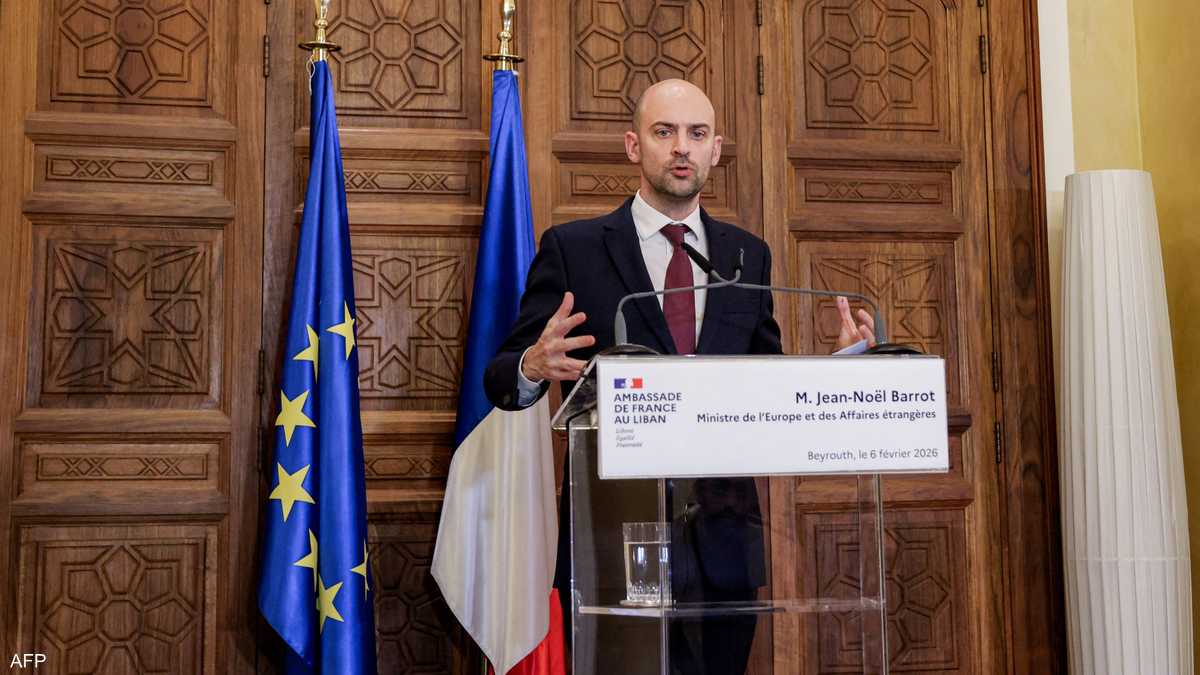
Paris Threatens Response to Tehran's Closure of French Cultural Center
French Foreign Ministry announces recall of Iranian ambassador and vows appropriate measures after Tehran closes French embassy language education center
Comments
Loading comments…