Unarmed 911 Teams Reshaping Public Safety Response in Nearly 100 Cities
Some US communities now dispatch mental health clinicians instead of police for certain emergency calls, with researchers pointing to a Durham, North Carolina program as a success story, according to NPR.
Written by EGazette’s AI. The facts are drawn from cited sources; the analysis is the AI’s own.

Nearly 100 cities across the United States have adopted unarmed response teams as an alternative to traditional police dispatch for certain 911 calls, according to a report from NPR Health.
Under these programs, some communities send mental health clinicians rather than armed police officers to respond to emergency calls that involve behavioral health crises rather than violent or criminal activity, the report said.
Researchers cited in the report consider a program in Durham, North Carolina to be a success, though the report did not detail the specific metrics or outcomes researchers used to reach that assessment.
The broader shift toward unarmed crisis response has gained attention in recent years as cities look for ways to address mental health emergencies without escalating encounters that historically involved armed law enforcement.
The NPR report did not specify how the nearly 100 cities' programs are funded, how clinician teams are trained, or what categories of calls are excluded from unarmed response.
Sources
EGazette summarizes reporting from multiple sources; follow the links for the originals.
Comments
Loading comments…
Related articles

12 teenagers wounded in shootout at Georgia birthday party
Two groups exchanged gunfire during a birthday party at a city park in the U.S. state of Georgia, a sheriff said.
United States complete comeback to retain Presidents Cup title
The US team overturned a final-day deficit to beat the Internationals and win an 11th consecutive Presidents Cup.
Kremlin says arms control talks with US should have resumed 'yesterday'
Spokesman Dmitry Peskov said there is currently no legal framework in place for the issue, according to TASS.

South African FM Calls Trump's Afrikaner Asylum Plan 'Race-Based Policy'
Ronald Lamola dismissed claims of Afrikaner 'genocide' as 'fake news' while criticizing Washington's plan to admit up to 17,500 more white South Africans.
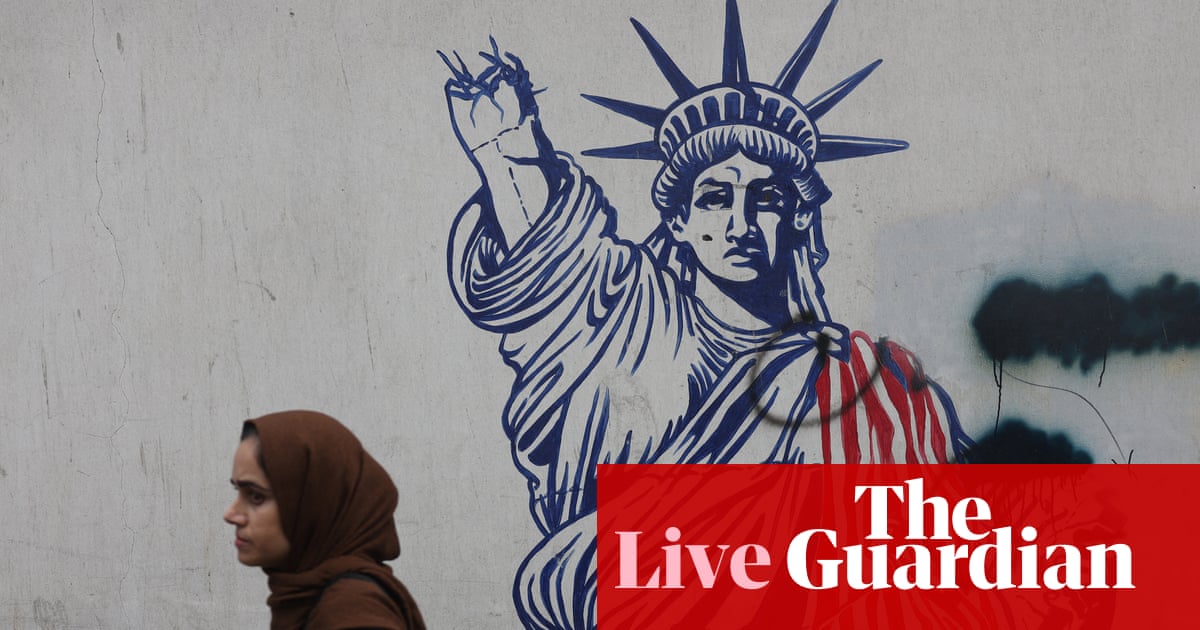
Iran Says It 'Has No Plans to Negotiate with US' Despite Trump Claims
Trump told Axios he expected talks to resume a day after rejecting Iran's proposal to reopen the Strait of Hormuz, but Tehran denies any negotiation plans.
Kremlin Says Arms Control Agreement With US Will Require Lengthy Preparation
Spokesman Dmitry Peskov said quick results should not be expected in talks on a new arms control deal with Washington.