UN Resolution and New Initiatives Aim to Correct Global Perceptions of Africa
Efforts including a push to redraw the world map, school curriculum reforms and awareness campaigns seek to present a more accurate and positive image of the African continent, according to Deutsche Welle.
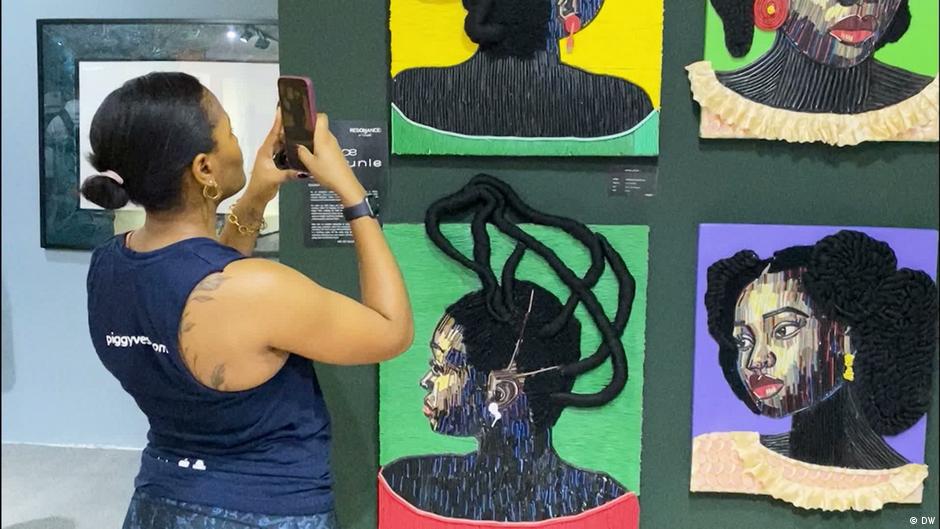
A United Nations resolution calling for the global map to be redrawn to more accurately represent the size of the African continent is part of a broader set of initiatives aimed at changing longstanding perceptions of Africa, according to a report by Deutsche Welle (DW).
The report states that the widely used Mercator map projection, developed in the 16th century, has long distorted the relative size of countries, making Africa appear smaller than it actually is compared with regions such as Europe and North America. Advocates cited by DW argue that this distortion has contributed to diminished perceptions of the continent's scale and significance on the world stage.
According to DW, the UN resolution supporting a more accurate map projection is one strand of a wider movement seeking to "decolonize" how Africa is portrayed and understood globally. The report notes that national initiatives in various African countries are also underway to reform school curricula, with the goal of presenting history and education from perspectives less shaped by colonial-era narratives.
DW also references a campaign focused on highlighting positive developments across the continent, intended to counter narratives that emphasize conflict, poverty or crisis while overlooking economic, technological and social progress in African nations.
Together, these efforts—spanning cartography, education and media representation—are described in the report as part of a collective push to reshape international understanding of Africa in ways that its proponents say more accurately reflect the continent's realities.
DW's report does not specify a timeline for the adoption or implementation of the UN resolution, nor does it name the specific countries or organizations leading each of the initiatives described.
Sources
- Decolonizing perceptions about Africa — Deutsche Welle — English
EGazette summarizes reporting from multiple sources; follow the links for the originals.
Related articles

Viral video of mother's barefoot race for daughter's school seat reignites debate on India's education system
Footage of a 47-year-old widow running 3km unprepared and in flip-flops to try to secure her daughter's school admission has spread widely online, according to BBC News.

Former Students Who Exposed Abusive Indonesian Head Teacher Marry After Years-Long Fight for Justice
Two former pupils who spent years gathering evidence against their school principal say their shared pursuit of accountability brought them together, according to a BBC News report.
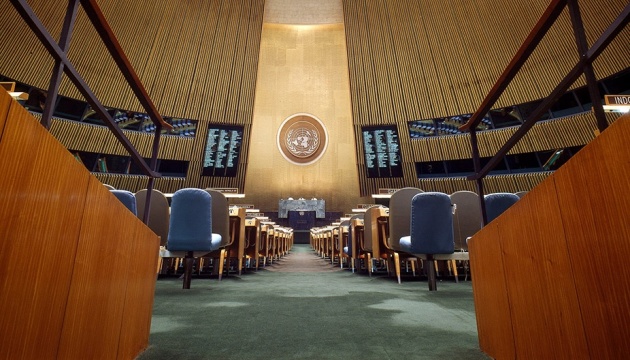
Zelensky to Address UN General Assembly as High-Level Week Opens Tuesday
Ukrainian president will participate in the 81st session's opening week beginning September 22 at UN headquarters in New York.

Michelle Bachelet Withdraws From UN Secretary-General Race
Former Chilean president cites weak polling as she ends bid to become the UN's first female chief

Bachelet Withdraws From Race to Lead United Nations
Former Chilean president cites gratitude to Brazil and Mexico as she exits contest for UN's top post
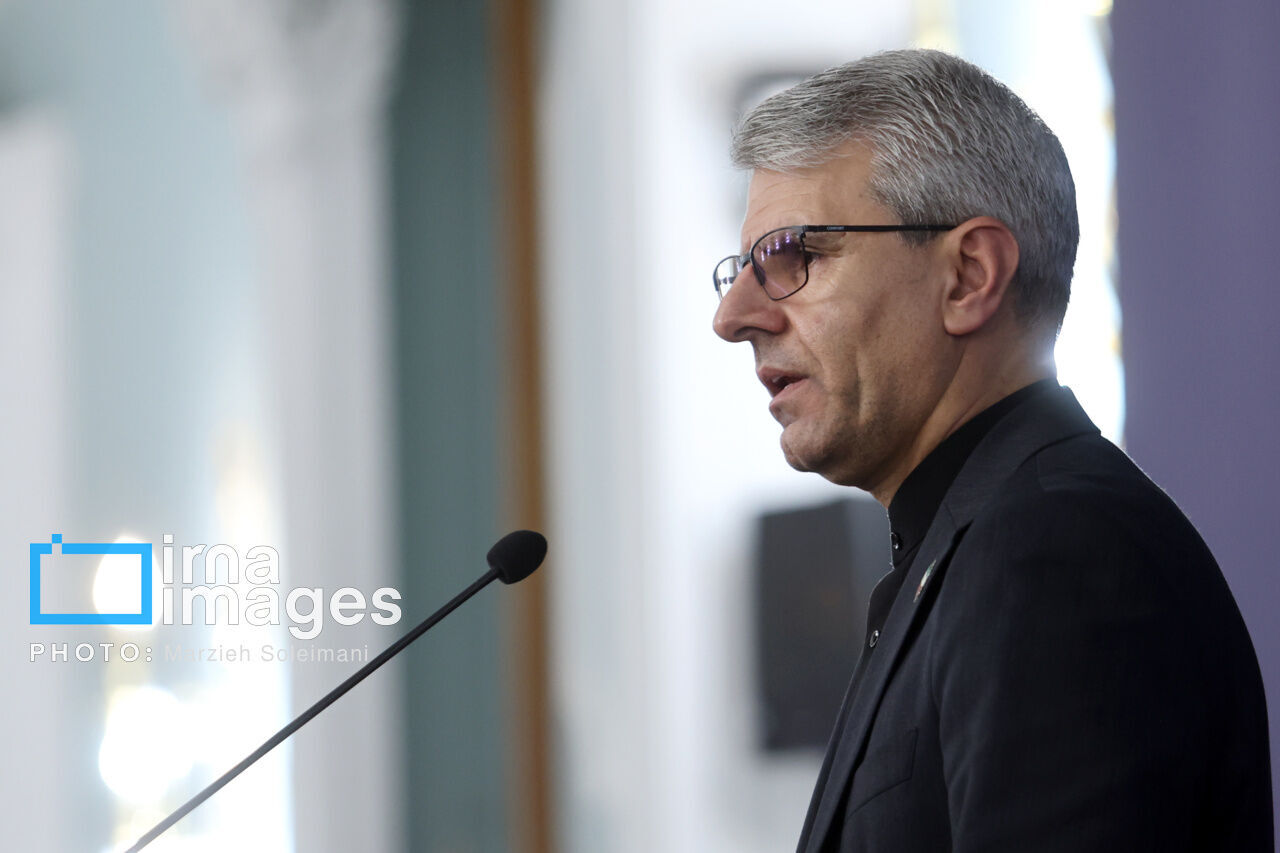
Iran Says UN Attendance Is a Legal Right, Not a US-Granted Privilege
Foreign Ministry spokesperson Esmaeil Baqaei says Tehran will not give up its right to take part in the UN General Assembly, according to IRNA.
Comments
Loading comments…