UK to Set Up New Agency to Counter 'Information Warfare' From Hostile States
A new National Centre for Information Defence will target disinformation and deepfakes from states such as Russia, Andy Burnham says.
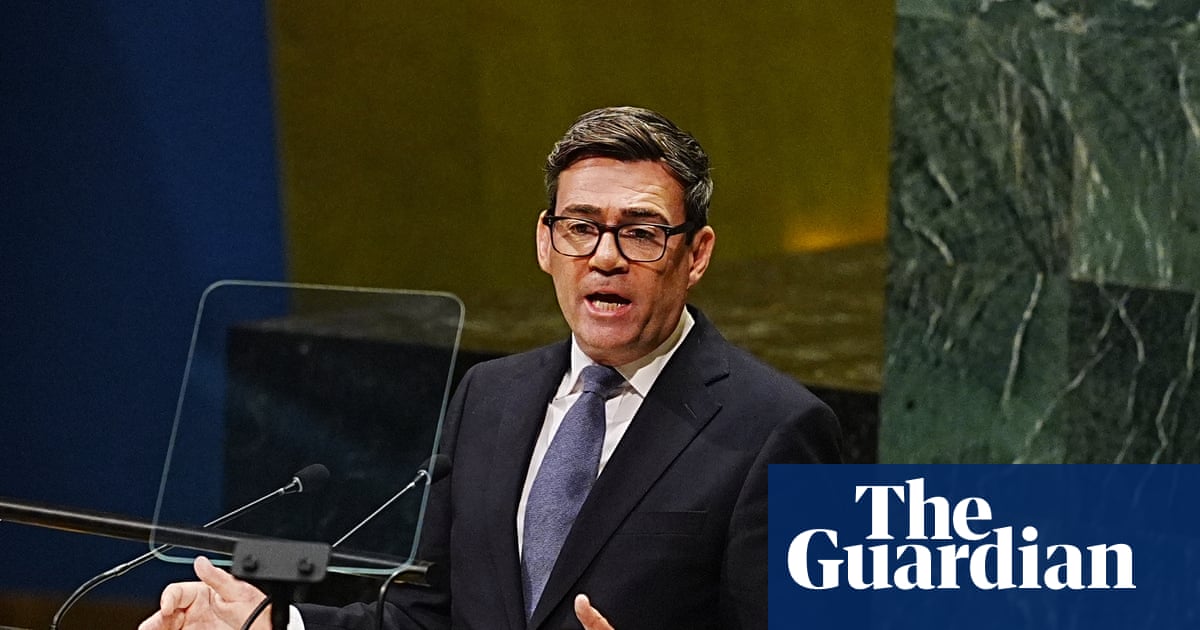
The UK government will set up a new national centre to counter disinformation and deepfakes originating from hostile states such as Russia, Andy Burnham has announced, according to the Guardian.
Burnham said the government had a duty to "stem the poisonous tide" of information warfare that he said was being used to damage British interests. The new body, described as the National Centre for Information Defence, is intended to bring together the UK's intelligence agencies, law enforcement bodies and social media companies to detect, attribute and disrupt information attacks carried out by foreign powers.
Many such attacks are increasingly enabled by artificial intelligence, which has made it easier to produce convincing deepfake videos, audio and images, as well as to generate and spread disinformation at scale across social media platforms. Security officials in the UK and allied countries have grown increasingly concerned in recent years about the potential for AI-generated content to influence elections, undermine public trust in institutions, and sow discord during periods of political or social tension.
The announcement reflects a broader push among Western governments to build institutional capacity specifically focused on countering foreign information operations, an area that has traditionally sat awkwardly across different agencies with overlapping but not fully coordinated responsibilities for cybersecurity, counter-intelligence and online platform regulation.
Details on the new centre's precise powers, funding, and operational timeline were not fully specified in the available report, though its stated remit of detecting, attributing and disrupting information attacks suggests an ambition to move beyond purely defensive monitoring toward more active countermeasures against disinformation campaigns.
Russia has previously denied accusations from Western governments that it engages in coordinated disinformation campaigns against other states.
Sources
- New UK agency will tackle ‘information warfare’ from likes of Russia, Burnham says — The Guardian — World
EGazette summarizes reporting from multiple sources; follow the links for the originals.
Comments
Loading comments…
Related articles

BrewDog's new owner asks drinkers to give ailing brand 'a second chance'
Tilray, the US cannabis and drinks company that acquired BrewDog out of administration, says it will invest more than £50m to improve the brewer's beers, pubs and working conditions.
Supreme Court Allows Trump Administration to Resume Third-Country Deportations
The Supreme Court granted a temporary hold allowing the Trump administration to resume deporting migrants to countries other than their own, a policy under which more than 25,000 people have reportedly been deported to 29 countries.
Conservative Supreme Court Majority Lifts Block on Trump's Third-Country Deportations, Liberal Justices Dissent
The Supreme Court's conservative majority temporarily lifted a lower-court ruling that had paused deportations of migrants to third countries, with the court's liberal justices dissenting.
Supreme Court Grants Hold Allowing Trump to Resume Third-Country Deportations Without Legal Challenge
The Supreme Court granted a hold request permitting the Trump administration to resume deporting migrants to third countries without contest, pending further litigation.
Supreme Court Allows Trump Administration to Resume Third-Country Deportations
The U.S. Supreme Court permitted the Trump administration to resume deporting migrants to countries not named in their original removal orders while it prepares to hear full arguments in the case.
Analysis: Andy Burnham's Speech Blends Political Ambition With Personal Grief, Writes BBC's Chris Mason
BBC political editor Chris Mason says Andy Burnham's address combined the tone of a new prime minister with the personal weight of a son mourning a parent.