UK Launches £150bn Grid Overhaul to Shore Up Energy Security
Britain is building five times more electricity infrastructure by 2030 than it did over the previous three decades, according to The Guardian, as new pylons, cables and converter stations aim to connect renewable power and curb reliance on volatile energy markets.
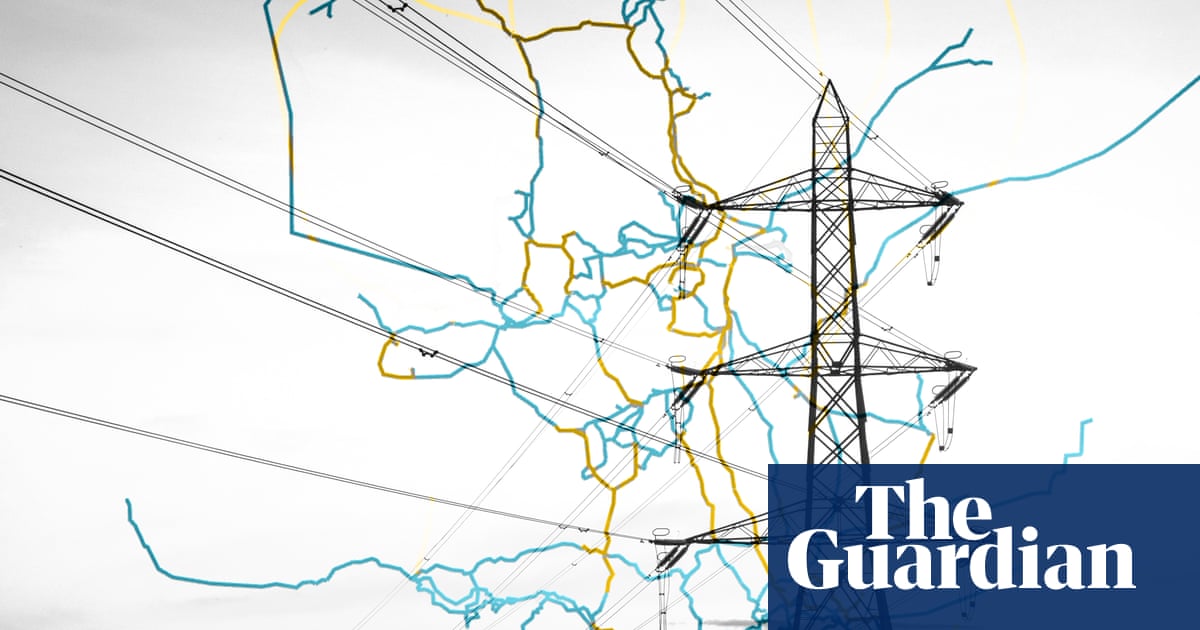
Britain has begun what The Guardian describes as one of the largest overhauls of its electricity grid in generations, a megaproject valued at £150bn intended to protect the country from future energy shocks.
According to the report, five times more grid infrastructure will be built by 2030 than was constructed during the previous three decades combined. The effort includes new pylons, subsea cables and converter stations designed to connect a growing fleet of wind and solar farms to the national grid.
The Guardian reports that tens of billions of pounds are being invested to carry clean power from where it is generated, often in remote or offshore locations, to where it is needed, including major population centres.
The publication states the project is being driven by two main goals: meeting the government's climate targets and strengthening energy security following recent volatility in global energy markets.
However, The Guardian notes that the scale of construction comes with trade-offs. Bills are expected to rise in the short term as the costs of building new infrastructure are passed on to consumers, according to the report.
The report also indicates that opponents of the plan are mobilising, though specific details of the opposition's concerns were not fully outlined in the available excerpt. Community and environmental groups have historically raised objections to large-scale pylon and cable projects over visual impact, land use and local disruption in similar infrastructure schemes.
The Guardian's coverage includes mapped detail on where new infrastructure is planned, illustrating the geographic scope of the build-out across the country.
The article frames the initiative as a pivotal moment for Britain's energy transition, balancing the near-term costs to households against longer-term aims of reducing dependence on imported fossil fuels and achieving climate commitments.
Sources
- Mapped: the £150bn megaproject that aims to protect Britain from energy shocks — The Guardian — Business
EGazette summarizes reporting from multiple sources; follow the links for the originals.
Related articles

Venezuela's PDVSA Signs Energy Cooperation Deal with TotalEnergies Subsidiary
Acting President Delcy Rodriguez oversaw the signing of an agreement between state oil company PDVSA and TotalEnergies E&P New Ventures in Caracas, according to Anadolu Agency.

Thousands of Eligible Families Missing Out on NHS Food Support, Figures Show
New data cited by the BBC indicates that as few as 64% of families entitled to NHS money for milk, fruit and vegetables are actually claiming it.

Ukrhydroenergo expects €21M EIB tranche for hydropower plant repairs
Ukraine's state hydropower operator anticipates the first funding installment from the European Investment Bank to restore equipment and boost operational resilience.

Drones Reported Near UK Military Bases Almost Daily, Media Say
Unauthorized drone sightings near British defense installations are raising fresh questions about the UK's readiness to counter aerial threats from Russia and Iran, according to a media report cited by Ukrinform.
Unauthorized Drones Detected Near UK Military Bases Almost Daily, Media Report Says
Reports cited by Ukrinform say unidentified drones are being spotted near British military installations on a near-daily basis, fueling concerns over the UK's defenses against threats from Russia and Iran.

Hummingbird Hawk Moths and Ivy Bees Reported Thriving as Temperatures Rise
BBC Science & Environment reports sightings of insects often mistaken for small birds, linked to warming conditions in parts of the UK
Comments
Loading comments…