Trump's AI Safety Plan Relies on Tech Companies to Police Themselves
The administration has persuaded dozens of AI companies to accept voluntary safety testing, raising questions about enforcement.
Written by EGazette’s AI. The facts are drawn from cited sources; the analysis is the AI’s own.
The Trump administration has unveiled a plan to address risks associated with artificial intelligence that depends heavily on voluntary commitments from technology companies rather than binding regulation, according to a report from Ars Technica.
Under the approach, dozens of AI firms have agreed to submit to voluntary safety tests, a step the administration is framing as evidence of progress on AI oversight. The plan does not appear to include enforceable mandates requiring companies to comply with the testing regime or to report results publicly.
Industry self-policing
Critics of such frameworks have long argued that voluntary programs lack the teeth needed to meaningfully change behavior at large technology companies, particularly when financial incentives to deploy new AI systems quickly can outweigh caution around safety testing.
Supporters of the lighter-touch approach argue that formal regulation could slow innovation and that major AI developers have incentives of their own, including reputational risk, to take safety seriously.
The reliance on the companies themselves to design and administer safety tests has drawn scrutiny from policy observers, who note that similar self-regulatory arrangements in other industries have had mixed records of success.
It remains unclear how compliance with the voluntary tests will be verified, or what consequences, if any, companies would face for failing to meet the standards they agree to.
Sources
EGazette summarizes reporting from multiple sources; follow the links for the originals.
Comments
Loading comments…
Related articles
US regulator opens investigation into AI companies over safety concerns
The FTC's probe comes amid concerns about autonomous AI agents and potential long-term risks posed by advanced systems.
Trump Reframes AI Safety Concerns as 'Super Intelligence' Policy Takes Shape
After meeting with technology executives, President Trump addressed questions about artificial intelligence safety, saying his earlier dismissal of the issue no longer applies under the administration's renamed initiative.
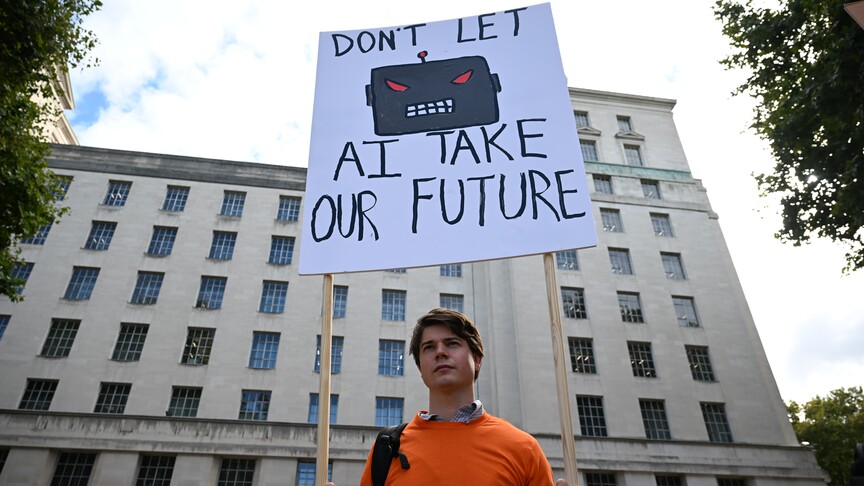
Experts Tell US Lawmakers AI Models Are Reasoning in Ways Beyond Human Oversight
Apollo Research CEO Marius Hobbhahn said an OpenAI model studied last year used language not fully understandable to humans.

California Bans AI 'Robo-Bosses' From Firing Workers in New Law
Governor Gavin Newsom signed the measure after previously vetoing an earlier version, making California the first state with such a restriction.
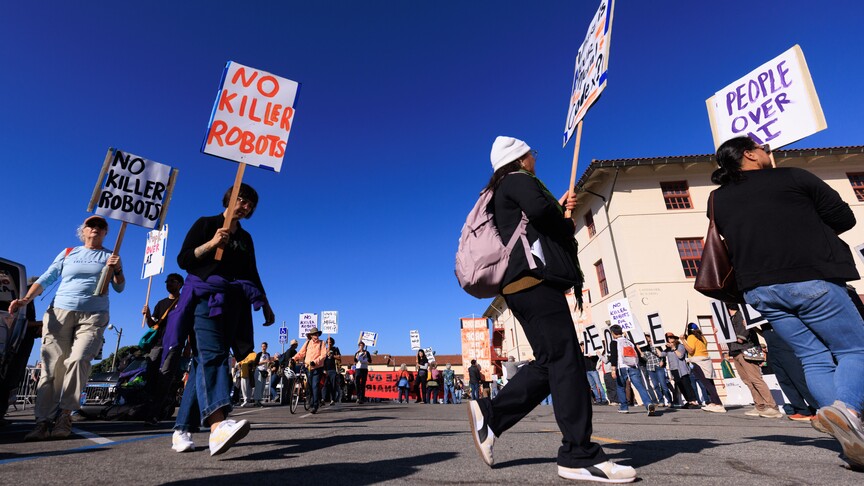
Poll Finds 73% of Americans Worried AI Could Threaten Human Survival
A Quinnipiac survey also found 86% support independent safety standards for AI companies, even if it slows development.

China Cracks Down on AI Companion Chatbots, Raising Questions on Global Approach
Beijing's restrictions on AI systems that replicate human relationships have prompted debate over whether China is ahead on AI regulation.