Trump rejects Iranian proposal to reopen Strait of Hormuz within seven days
The US president says Tehran only put forward the proposal because it is losing the war.
Written by EGazette’s AI. The facts are drawn from cited sources; the analysis is the AI’s own.
US President Donald Trump has rejected an Iranian deal that would have reopened the Strait of Hormuz within seven days, saying Tehran only made the proposal because it is losing the war.
The rejection signals continued friction between Washington and Tehran over the strategically vital waterway, through which a significant share of the world's oil shipments pass.
Trump's characterization of the offer
According to Trump, Iran's proposal was a product of its weakening position in the conflict rather than a genuine offer, a characterization that frames the US response to the deal.
The Strait of Hormuz has been a focal point of tension amid the broader conflict, given its importance to global energy shipping routes and the leverage that control over the passage can provide.
Trump's rejection leaves the status of the strait unresolved for now, with no indication given of an alternative proposal or timeline for addressing the passage's reopening.
The dispute over the strait remains tied to the wider trajectory of the war, with Trump's comments suggesting he sees Iran's negotiating position as having weakened as the conflict continues.
Sources
- Trump rejects Iran deal to reopen Strait of Hormuz in seven days — BBC News — World
EGazette summarizes reporting from multiple sources; follow the links for the originals.
Comments
Loading comments…
Related articles

Trump rejects Iranian plan to reopen Strait of Hormuz as 'not acceptable'
The proposal reportedly resembled a memorandum of understanding reached between the US and Iran in June.
Araghchi Says Iran Awaits Formal US Response on Hormuz Proposal
Iran's foreign minister said any progress remains conditional on Tehran's terms being met, according to state news agency IRNA.

Trump gave Xi a warm welcome, but what did the talks actually accomplish?
Two former NPR China correspondents assess what the high-profile visit, which included a National Archives stop and a state dinner, did and didn't deliver.
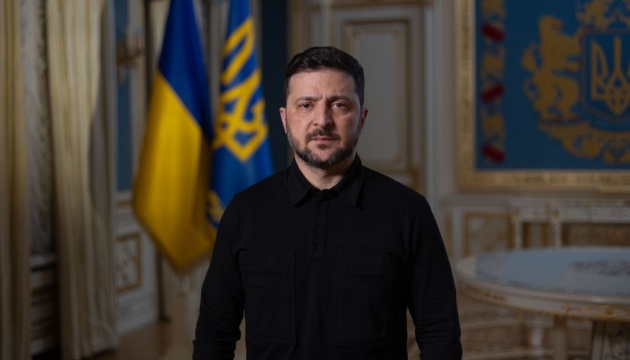
Zelensky says Russia is not currently preparing to end the war
The Ukrainian president made the assessment in his evening video address, pointing to a lack of Russian movement toward peace.
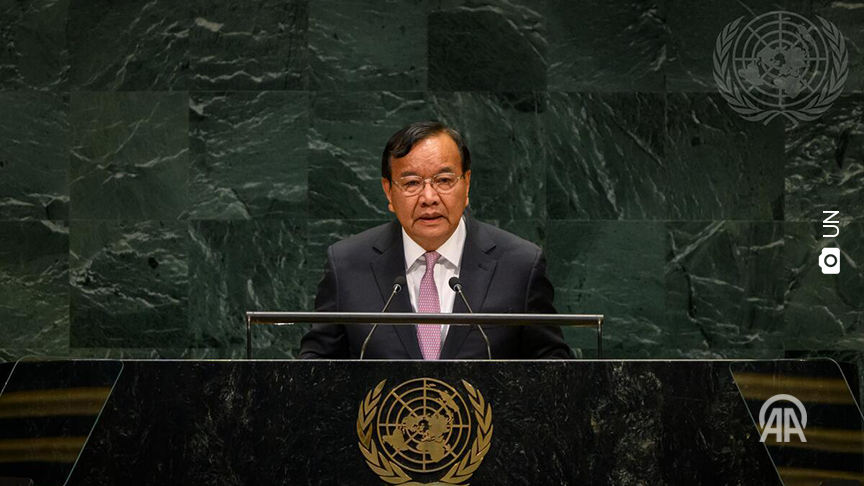
Cambodia Calls for Fair, Lasting Border Settlement With Thailand at UN
Phnom Penh used its UN General Assembly address to press for sovereign equality and a durable resolution to its border dispute with Thailand.
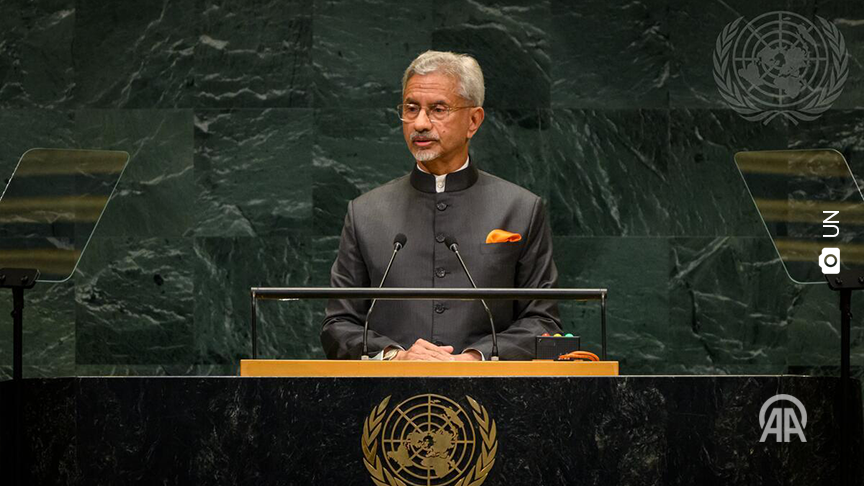
India Stresses Two-State Solution for Lasting Mideast Peace at UN
New Delhi's top diplomat urged restraint from all parties in the Middle East and rejected attacks on commercial shipping in international waters.