Trump rejects Iran's proposal to reopen Strait of Hormuz within a week
The US has rejected a seven-day roadmap submitted by Iran via Qatar that offered to reopen the Strait of Hormuz and resume nuclear talks.
Written by EGazette’s AI. The facts are drawn from cited sources; the analysis is the AI’s own.
The United States has rejected a proposal submitted by Iran through Qatari mediation that offered to reopen the Strait of Hormuz and resume nuclear negotiations within seven days if Washington agreed to the terms, according to reporting on the exchange.
A conditional offer through Doha
Tehran's proposal, delivered via Qatar, reportedly set out a short timeframe under which Iran would move to reopen the strategically vital Strait of Hormuz, a key global oil shipping route, and return to nuclear talks, contingent on Washington accepting the roadmap's terms. The use of Qatari mediation reflects Doha's recurring role as an intermediary between Washington and Tehran during periods of heightened tension between the two countries.
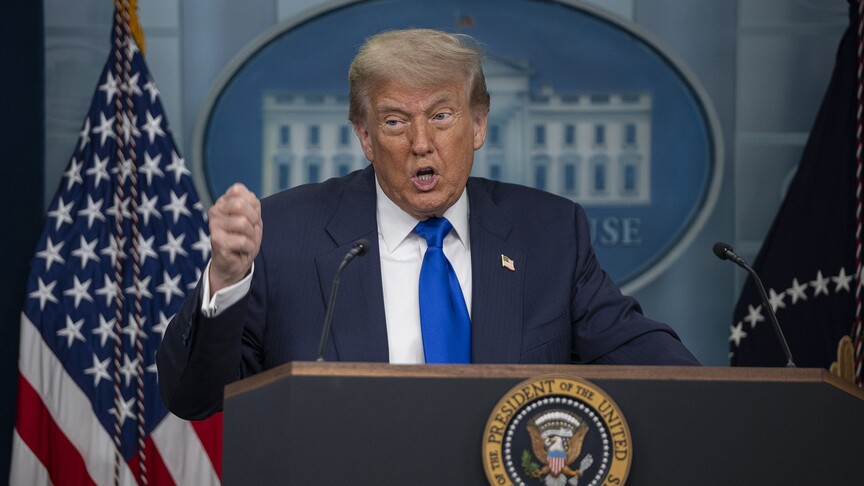
US President Donald Trump rejected the proposal, though the specific reasons cited for turning down the seven-day roadmap were not fully detailed in available reporting. The rejection leaves the underlying dispute over the strait and the broader nuclear negotiations unresolved for the time being.
High stakes over a key waterway
The Strait of Hormuz serves as a critical corridor for global oil and gas shipments, and any disruption or closure of the waterway carries significant implications for global energy markets. Tensions surrounding access to and passage through the strait have periodically escalated alongside broader disputes between Iran and Western countries over its nuclear program and regional activities.
With the roadmap rejected, attention is likely to turn to what alternative diplomatic steps, if any, the two sides might pursue to address both the situation around the strait and the stalled nuclear talks in the coming period.
Sources
- Trump rejects Iran’s seven-day roadmap to reopen Strait of Hormuz — Al Jazeera — All
EGazette summarizes reporting from multiple sources; follow the links for the originals.
Comments
Loading comments…
Related articles
Trump rejects Iranian proposal to reopen Strait of Hormuz within seven days
The US president says Tehran only put forward the proposal because it is losing the war.
Trump Says He Rejected Iran's Latest Proposal in Indirect New York Talks
A US official described the ongoing indirect discussions, conducted through mediators, as "positive and constructive," with nuclear issues among the topics addressed.
Iraq seeks US exemption from ban on flights to and from Iran
Baghdad is urging dialogue with Washington to ease tensions linked to US sanctions targeting Iranian airlines.
Iranian foreign minister meets UN General Assembly president in New York
Abbas Araghchi held talks with the UNGA president on the sidelines of the assembly's session in New York.
Cuba denounces US 'collective punishment' as Trump predicts a deal
Havana's foreign minister spoke out after Washington told the UN that 'freedom will be coming' to the island.
Iranian official Qaempanah says regional countries should take charge of their own security
Mohammad Jafar Qaempanah said the US presence in the region is not constructive and that the region's destiny must be shaped by its own countries.