Trump orders US agencies to drop 'AI' for 'Super Intelligence', but experts are unconvinced
The US president says artificial intelligence sounds outdated, though tech firms and researchers see little reason to adopt the new terminology.
Written by EGazette’s AI. The facts are drawn from cited sources; the analysis is the AI’s own.
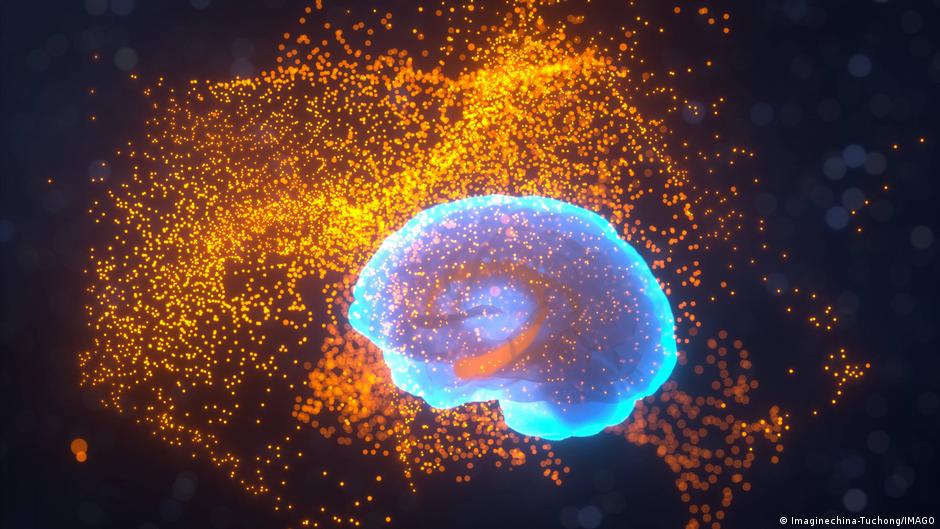
US President Donald Trump has ordered federal agencies to stop using the term "artificial intelligence" in official communications, instructing them to refer to the technology as "Super Intelligence" instead.
According to reporting on the directive, Trump has argued that the established term "artificial intelligence" sounds outdated or, in his words, "fake," and that a rebrand better reflects the ambitions of the technology's development.
The move affects how US government bodies describe AI systems in official documents and communications, though it does not carry legal force over how private companies label their own products.
Reaction from the technology sector and research community has been muted at best. Firms and researchers who have built their public identity and scientific literature around the term "artificial intelligence" have shown little inclination to adopt the new phrasing, according to those following the story.
The episode highlights a recurring tension between political messaging around emerging technology and the more cautious, terminology-conscious culture of the research community, which has used "artificial intelligence" as a formal term of art for decades.
Sources
- Is US President Donald Trump right to rename AI as 'Super Intelligence'? — Deutsche Welle — English
EGazette summarizes reporting from multiple sources; follow the links for the originals.
Comments
Loading comments…
Related articles

Trump Says AI Companies Will 'Police Themselves' After White House Meeting
The US president said tech leaders signed a 'morally binding' commitment to self-regulate AI safety amid growing concerns about the technology.
Trump Says Bill Gates Has Shifted His Stance on AI, Now Backs Its Development
President Donald Trump said Microsoft co-founder Bill Gates no longer believes artificial intelligence poses the extreme risk he once described, following a meeting with leading AI company executives.

Trump, AI Industry Leaders Sign Voluntary Safety Accord
The agreement outlines internal controls and independent audits as concerns grow over artificial intelligence oversight.

Trump Orders US Government to Refer to AI as 'Super Intelligence'
A new executive order directs official policy documents and communications to drop the term 'artificial intelligence' in favor of 'Super Intelligence'.
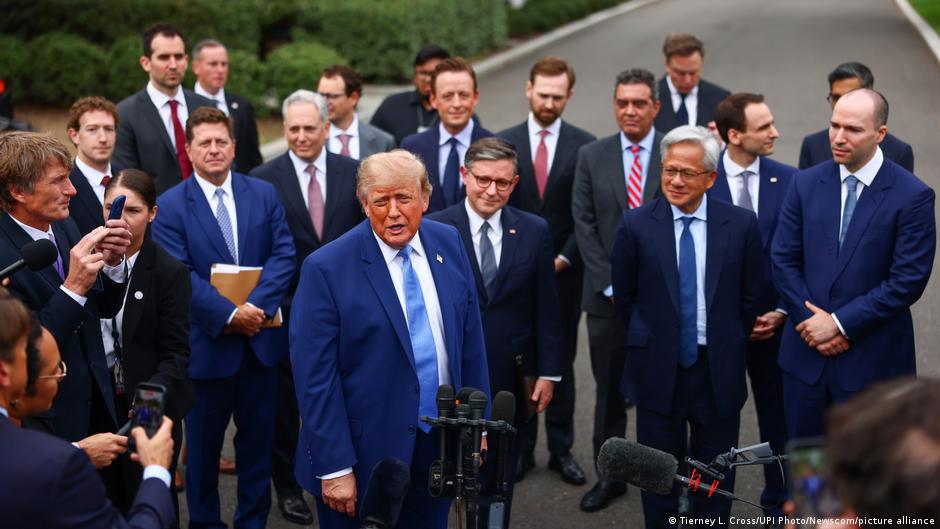
Trump announces ethics agreement with AI companies at White House
The US president unveiled a voluntary ethical framework with leading artificial intelligence firms as calls grow for binding regulation of the industry.
Trump Says Gates No Longer Believes AI Could Kill a Billion People
President Trump said Bill Gates has changed his view on AI's dangers, though he did not explain the source of the claim.