Trump Administration Argues Private Sector Can Manage AI Risks Amid Critic Pushback
Officials say maintaining U.S. lead over China in artificial intelligence outweighs the need for heavy government regulation, according to a CNBC report.
The Trump administration has argued that private industry, rather than government regulation, is best positioned to address potential risks posed by artificial intelligence, according to a report published by CNBC on September 15.
The report said the administration, which has taken a broadly AI-friendly posture, contends that maintaining U.S. dominance over China in the rapidly growing AI sector is a critical national priority that should not be hindered by regulatory constraints.
According to CNBC, an administration official identified in the report as Hassett voiced this position, framing competitiveness with China as a central rationale for limiting federal oversight of the technology.
The report noted that critics have pushed back on this approach, expressing concern that relying primarily on private companies to self-regulate may not adequately address safety, ethical or societal risks associated with AI development.
CNBC did not provide further details in the excerpt reviewed regarding specific policy proposals or the identities of the critics referenced.
The debate over how to balance innovation with oversight has intensified as AI technologies expand rapidly across industries, with governments worldwide grappling with how much regulatory intervention is warranted.
Sources
- Trump admin. says private sector can solve AI threats as critics balk — CNBC — Top News
EGazette summarizes reporting from multiple sources; follow the links for the originals.
Related articles

China Pushes Back on US Warnings to Slow AI Development, Guardian Reports
Beijing officials and businesses argue calls for caution are designed to preserve America's technological lead, according to a Guardian report

Trump Reportedly to Create Board With Power to Veto NIH Research Grants
An expected executive order would give a new board oversight of National Institutes of Health funding decisions, according to reports citing administration discussions.
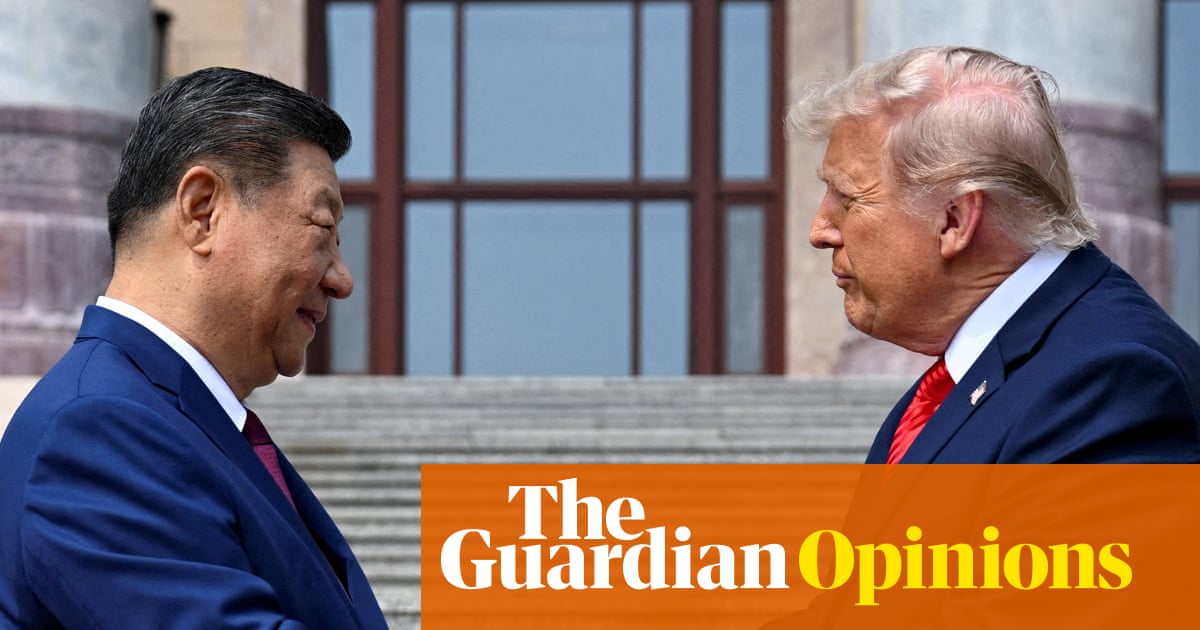
Guardian Column Urges US-China Cooperation on AI Amid Warnings Over Pace of Development
Australian scientist Alan Finkel argues that unregulated competition between AI firms and between Washington and Beijing could threaten global stability, calling for coordinated oversight.

State Funeral Held in Hong Kong for First Post-Colonial Leader Tung Chee-hwa
Officials and dignitaries gathered to honour Tung Chee-hwa, who served as Hong Kong’s first Chief Executive after the 1997 handover from British rule.

US Allies in Asia Voice Concern Over Think Tank's Call for Pacific Pullback
A US think tank's proposal to scale back American military presence in the western Pacific has unsettled regional allies, with analysts warning it could weaken deterrence against China.
Trump Says US Will Create an ‘AI Force’ Modeled on Space Force
The US president did not specify whether the initiative would involve establishing a new branch of the armed forces, according to TASS.
Comments
Loading comments…