Study Warns Climate Change and Food Insecurity Could Fuel Future Conflicts
New research cited by Deutsche Welle suggests the greatest danger to global stability lies not in food shortages themselves, but in whether societies can adapt peacefully to mounting pressures.
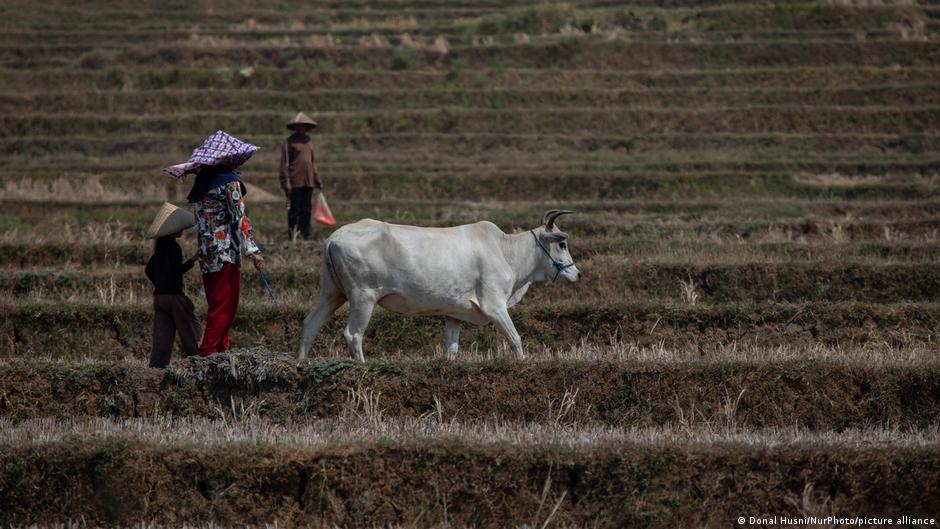
Climate change, ongoing conflicts, and rising trade tensions are placing significant strain on the global food system, according to a report published by Deutsche Welle.
New research cited in the report indicates that the primary risk to global stability may not be outright food shortages, but rather the capacity of societies to adapt peacefully to the changes brought on by these combined pressures.
The report highlights that climate change is increasingly recognized as a factor that can intersect with existing tensions over food security, potentially contributing to future conflicts if not managed effectively.
According to the findings referenced by Deutsche Welle, the interplay between environmental stress, geopolitical conflict, and trade disruptions creates a complex set of challenges for food systems worldwide.
The research suggests that societal resilience and the ability to adapt through peaceful means are critical factors in determining whether these pressures lead to instability, rather than the availability of food resources alone.
Sources
- How climate change and food insecurity could fuel future conflicts — Deutsche Welle — English
EGazette summarizes reporting from multiple sources; follow the links for the originals.
Related articles

European Space Agency Launches Two Satellites to Monitor Climate Change
The new satellites will help scientists study the effects of climate change, with one instrument dedicated to observing plant life

Denmark Keeps Details of Anticipated Greenland Agreement with Washington Under Wraps
Copenhagen refuses to disclose agreement terms with the United States, amid diverging portrayals by both parties

Australia appoints new diplomats to key posts in Cairo, Port Moresby, Dili, and New York
Foreign minister Penny Wong announces diplomatic appointments as part of efforts to strengthen Australia's international engagement.
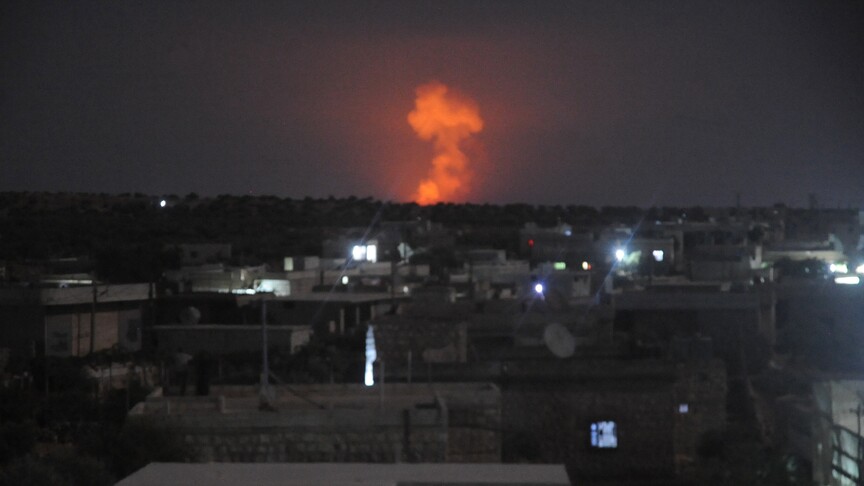
Powerful Explosions Reported in Syria's Aleppo Countryside
Blasts were heard in the town of Al-Eis, with local sources attributing them to a Defense Ministry ammunition depot, according to state media.

Six Pakistani soldiers, including two officers, killed in clash near Afghan border
Pakistan's military announces deaths of its personnel in Hangu area of Khyber Pakhtunkhwa amid escalating border violence.

Houthis Accuse Saudi Arabia of 28 Airstrikes in 24 Hours; U.S. Intelligence Chief Visits Cairo
The Houthis reported intensive Saudi airstrikes while residents warn of a mounting food crisis in Taiz.
Comments
Loading comments…