Study Suggests T. rex Was as Warm-Blooded as Humans
New research indicates the dinosaur may have regulated its body temperature similarly to modern mammals, challenging long-held views of dinosaurs as reptilian.
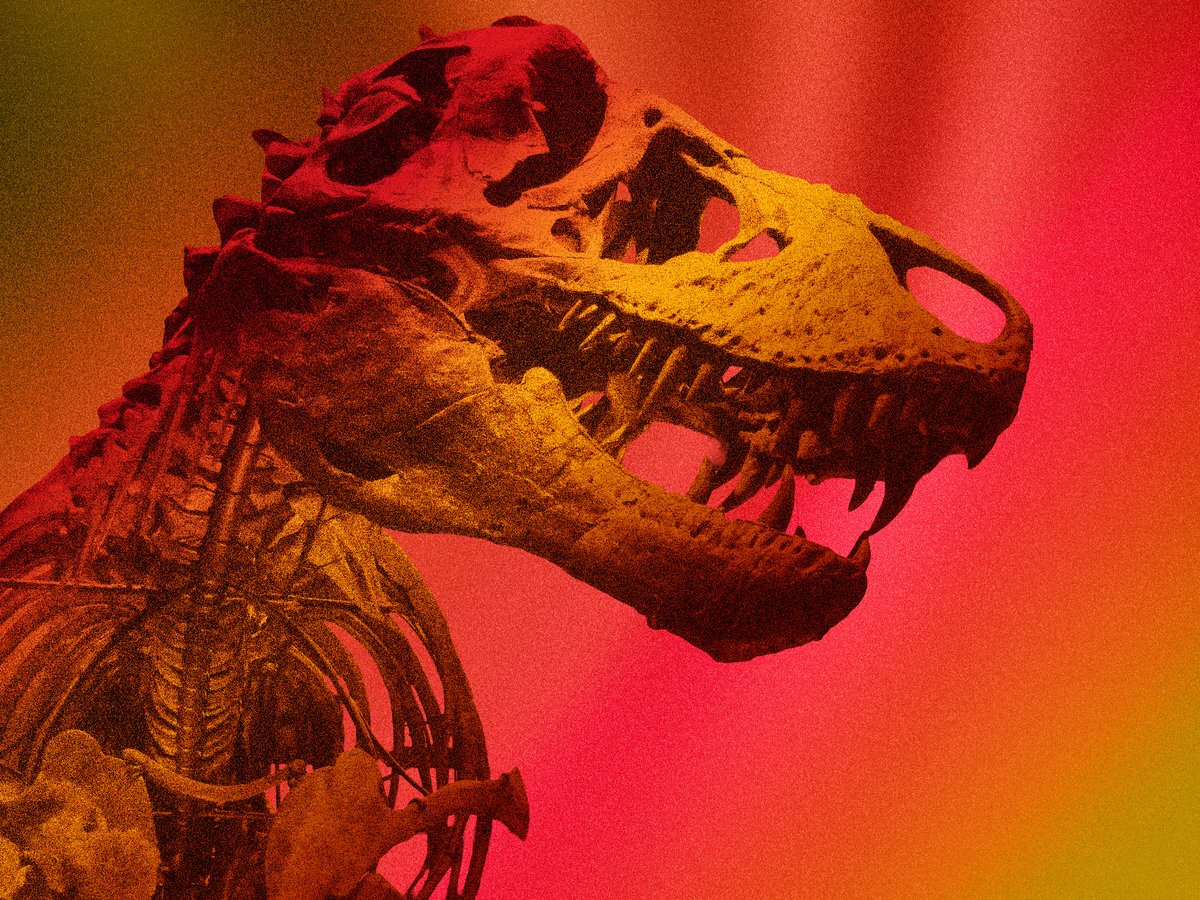
A new study reported by Scientific American suggests that Tyrannosaurus rex may have been warm-blooded, with a metabolism comparable to that of humans and other modern mammals.
Dinosaurs have traditionally been classified as reptilian creatures, generally understood to be cold-blooded and dependent on external conditions to regulate body temperature. The new findings challenge that characterization, according to the report.
Scientific American said the results could prompt scientists to reconsider aspects of dinosaur evolution, including how these animals sustained activity levels and adapted to different environments.
The publication did not detail the specific methodology used in the study within the excerpt reviewed, but indicated that the conclusions represent a shift from earlier assumptions about dinosaur physiology.
Further details on the research, including the scientists involved and the techniques used to reach these conclusions, were not immediately available.
Sources
- T. rex was as warm-blooded as humans, new study finds — Scientific American
EGazette summarizes reporting from multiple sources; follow the links for the originals.
Related articles
Poison suspected in deaths of ten lions at Tanzania game reserve
The lions were discovered dead in the Ngorongoro Conservation Area, prompting wildlife officials to investigate.

European Space Agency Launches Two Satellites to Monitor Climate Change
The new satellites will help scientists study the effects of climate change, with one instrument dedicated to observing plant life

Exceptional Discovery of Denisovan Fossils in a Southwestern Chinese Cave
Extremely rare remains of these Asian "cousins" of Neanderthals have been unearthed alongside stone tools, shedding new light on their way of life.
Scientific American's October Retrospective Looks Back at Smallpox, Skyscrapers and Racetrack Research
A historical column published by Scientific American revisits science and technology milestones from 50, 100 and 150 years ago, touching on smallpox eradication efforts, skyscraper excavation work and research conducted at racetracks.

NASA's Astronomy Picture of the Day Features Analemma Over Scotland's Callanish Stones
The September 20, 2026 edition of NASA's long-running APOD series highlights a composite image showing the sun's yearly path above the ancient Callanish Stones.

New Archaeological Evidence Points to Hidden Passages Behind Tutankhamun's Tomb
Archaeological study reopens the file on the lost tomb of Queen Nefertiti after detecting indicators of undiscovered chambers and passages behind the walls of the young pharaoh's tomb in the Valley of the Kings
Comments
Loading comments…