Study Suggests Nature May Favor a Common Rhythmic Tempo
A report highlighted by Scientific American finds that biological rhythms—from flashing fireflies to human music—may converge on a similar tempo range.
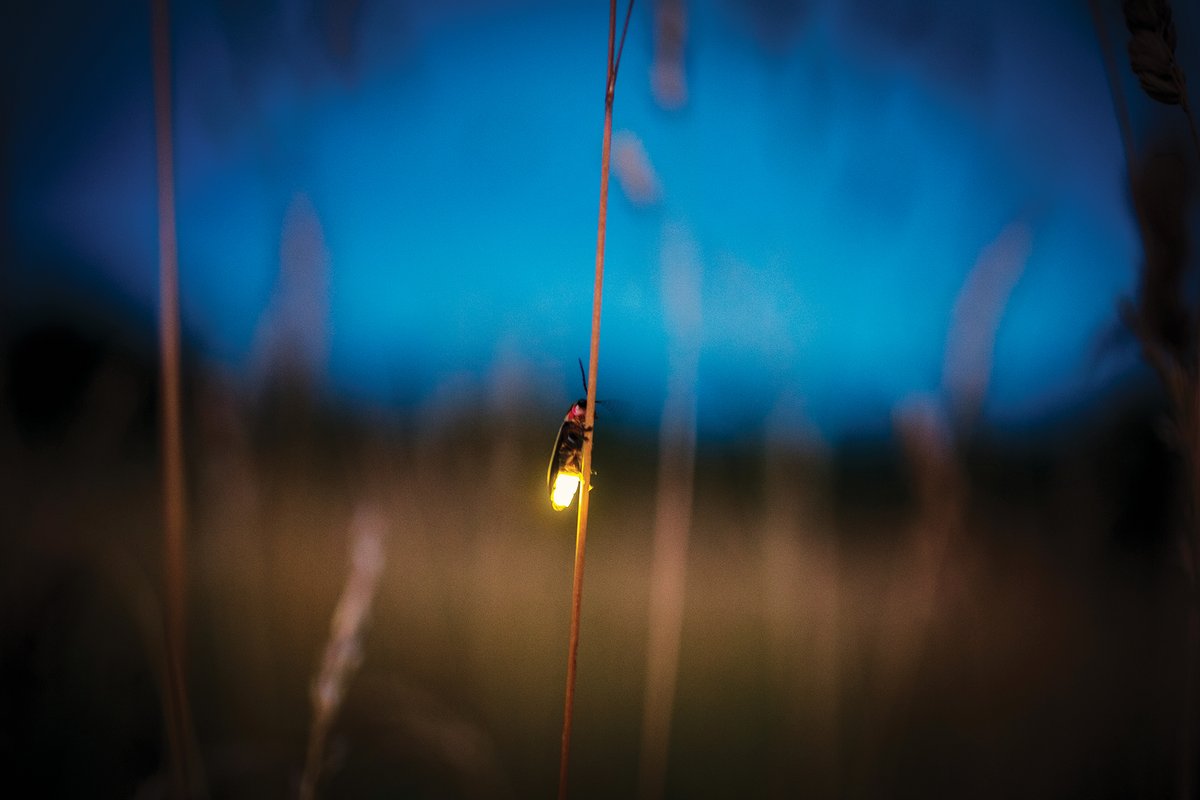
A recent article published by Scientific American, titled "Nature may have a preferred tempo," explores the idea that many biological rhythms across different organisms and behaviors may share a common tempo range.
According to the publication, phenomena as varied as the flashing patterns of fireflies and the tempo of human music appear to converge on similar rhythmic characteristics, suggesting a possible underlying pattern in how living systems generate and synchronize rhythmic behavior.
The article, published by Scientific American, does not provide further specific data or methodology details beyond noting this apparent convergence across biological and cultural rhythmic phenomena.
Scientific American frames the observation as part of ongoing scientific interest in understanding whether natural and biological systems share fundamental timing principles.
Sources
- Nature may have a preferred tempo — Scientific American
EGazette summarizes reporting from multiple sources; follow the links for the originals.
Related articles

Hummingbird Hawk Moths Spotted Across West Midlands
Sightings of the bird-like moth, often mistaken for a hummingbird, have been reported in the region, according to the BBC.

Scientific American Explores What Science Reveals About Canine Perception
A new feature examines ongoing research into how dogs process the world around them, including their relationships with humans.
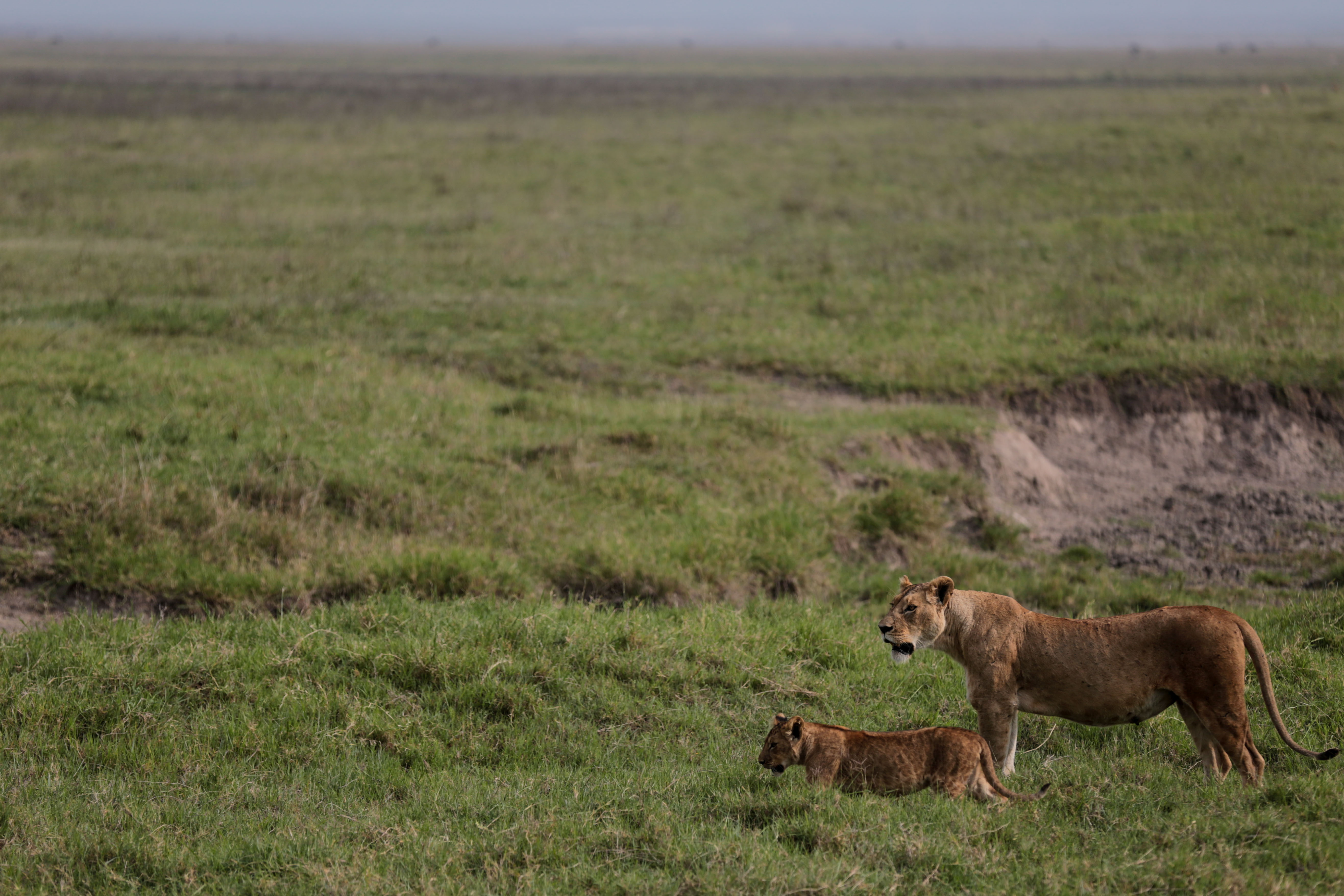
Poison suspected in deaths of ten lions at Tanzania game reserve
The lions were discovered dead in the Ngorongoro Conservation Area, prompting wildlife officials to investigate.

European Space Agency Launches Two Satellites to Monitor Climate Change
The new satellites will help scientists study the effects of climate change, with one instrument dedicated to observing plant life

Exceptional Discovery of Denisovan Fossils in a Southwestern Chinese Cave
Extremely rare remains of these Asian "cousins" of Neanderthals have been unearthed alongside stone tools, shedding new light on their way of life.
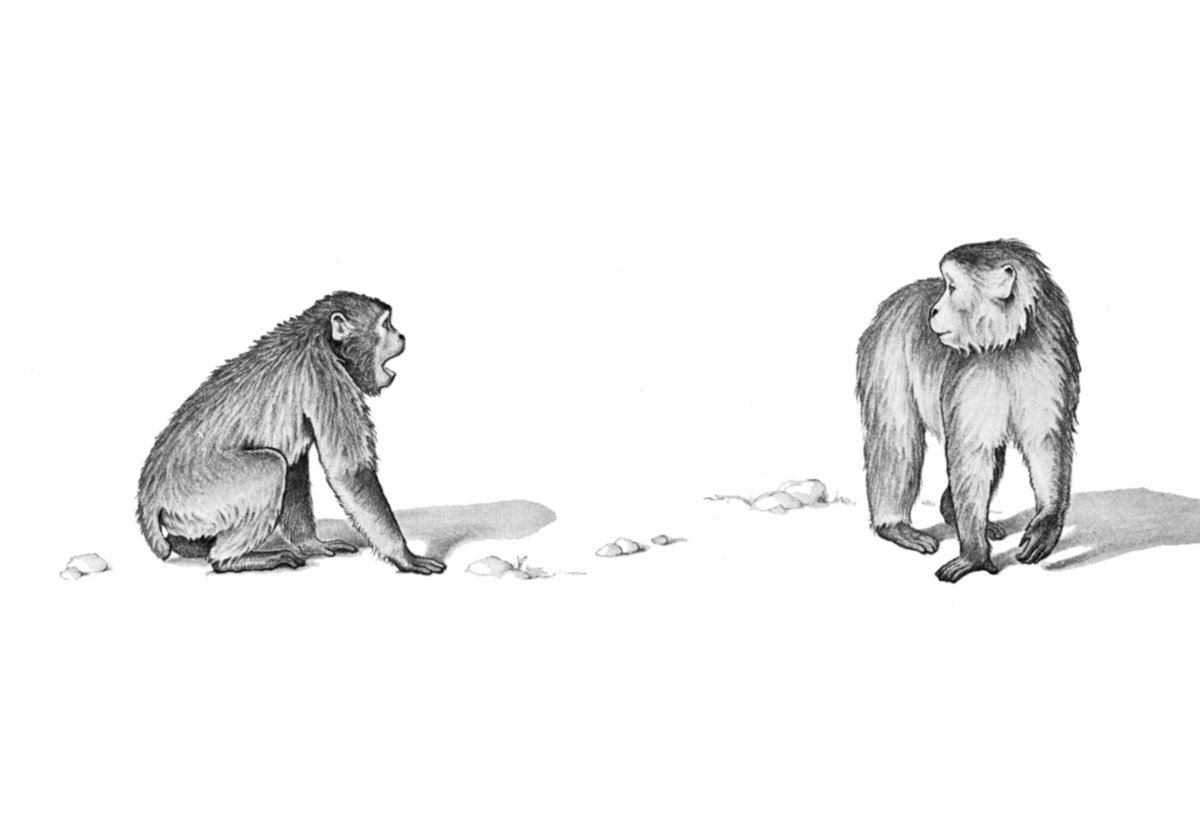
Scientific American's October Retrospective Looks Back at Smallpox, Skyscrapers and Racetrack Research
A historical column published by Scientific American revisits science and technology milestones from 50, 100 and 150 years ago, touching on smallpox eradication efforts, skyscraper excavation work and research conducted at racetracks.
Comments
Loading comments…