Study Links End of U.S. Embassy Air Pollution Monitoring to Local Pollution Spikes
Researchers found pollution levels rose 24% to 33% in areas after the Trump administration discontinued a long-running embassy air-quality monitoring program, according to NPR News.
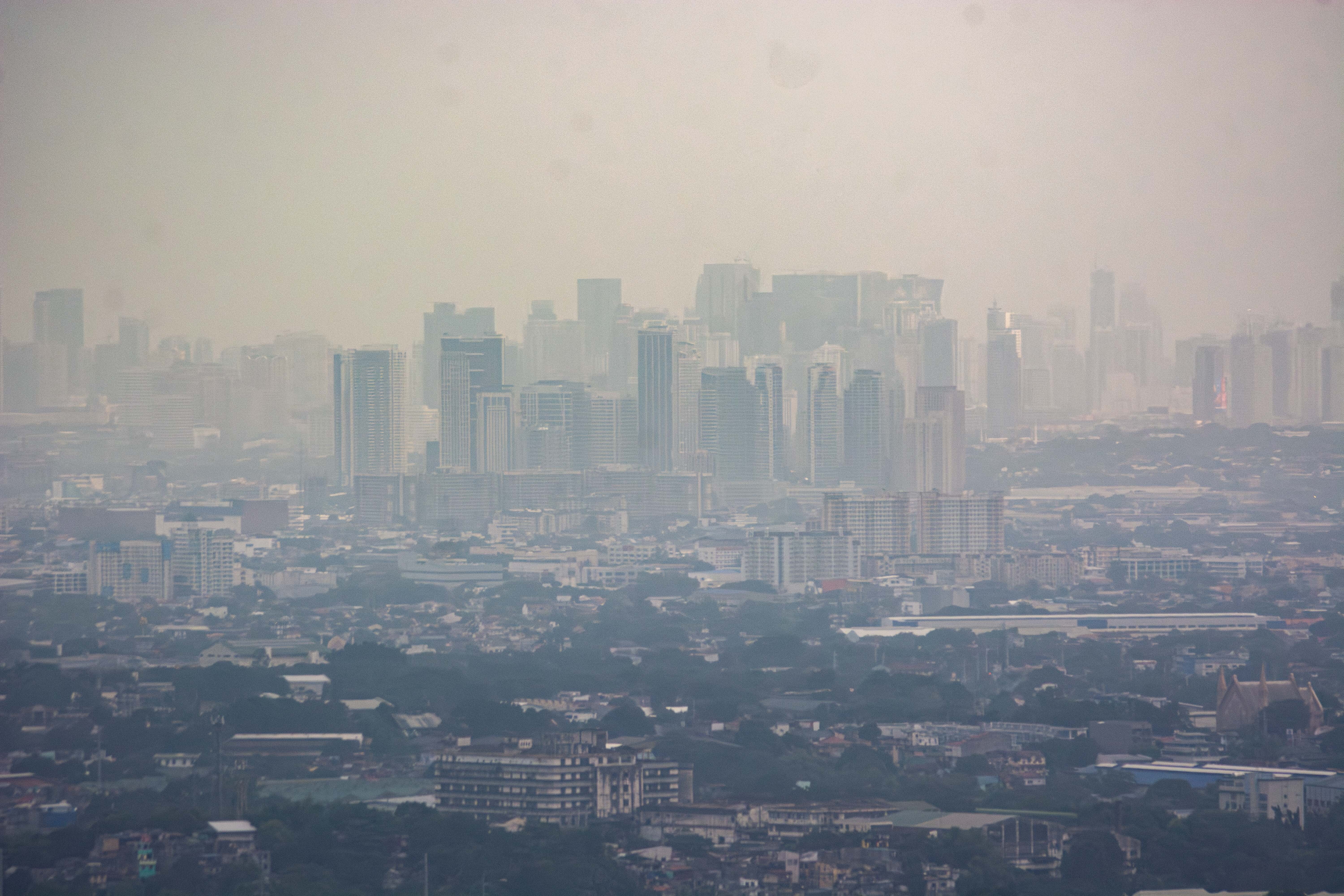
A new study has found that local air pollution levels increased by 24% to 33% following the Trump administration's decision in 2025 to end a decades-long program that monitored air quality at U.S. embassies around the world, according to a report by NPR News.
The embassy air pollution monitoring initiative had been in place for years, providing publicly accessible data on air quality in cities where the U.S. maintained diplomatic posts. According to NPR News, the program was terminated in 2025 under the Trump administration.
The study, as described by NPR News, examined pollution levels in the period following the program's discontinuation and found a measurable increase in local pollution, ranging between 24% and 33%, compared to periods when the monitoring was active.
NPR News did not specify in the excerpt reviewed which locations or cities were most affected, nor did it name the researchers or institution behind the study. Further details on the study's methodology and its authors were not included in the available source material.
The embassy monitoring program had historically served as an independent source of air quality data in many countries, particularly in places where local government reporting on pollution levels was limited or unavailable, according to prior reporting on the initiative.
NPR News' report suggests the end of the program may have had public health implications tied to reduced oversight of air quality in affected regions, though the full scope of the study's findings and its policy implications were not detailed in the available excerpt.
Sources
EGazette summarizes reporting from multiple sources; follow the links for the originals.
Related articles
One Year After Trump's Medicaid Drug Price Pledge, Details Remain Unclear, NPR Reports
The Trump administration's promise to lower Medicaid drug costs has yet to specify which medications would be affected, and implementation depends on individual states choosing to participate, according to NPR.

Trump Reportedly to Create Board With Power to Veto NIH Research Grants
An expected executive order would give a new board oversight of National Institutes of Health funding decisions, according to reports citing administration discussions.

Trump Administration Does Not Consider US in War With Iran, Says House Speaker Johnson
House Speaker Mike Johnson said the Trump administration views the conflict with Iran as nearing its end, according to a report by Russian state news agency TASS.

Journalists From MS NOW, CNN and Politico Denied White House Access After Trump Media Ban
Reporters from three news outlets were turned away from the White House a day after President Trump barred the organizations over their coverage of him, according to CNBC.

US Court Blocks Trump Administration Plan to Deport Migrants to Third Countries
Judges rule migrants must be given a chance to raise safety concerns before being sent to nations other than their own
Stephen Miller Said to Lead Multi-Agency Push to Speed Removal of Migrant Children
The Guardian reports that the White House deputy chief of staff is coordinating an intensified effort across federal agencies to accelerate deportations of undocumented immigrant children, a drive critics describe as cruel and unlawful.
Comments
Loading comments…