Study Finds EV Batteries Retain Most Capacity After 150,000 Kilometers
New research suggests electric vehicle batteries degrade more slowly than many drivers feared, easing concerns about long-term ownership costs.
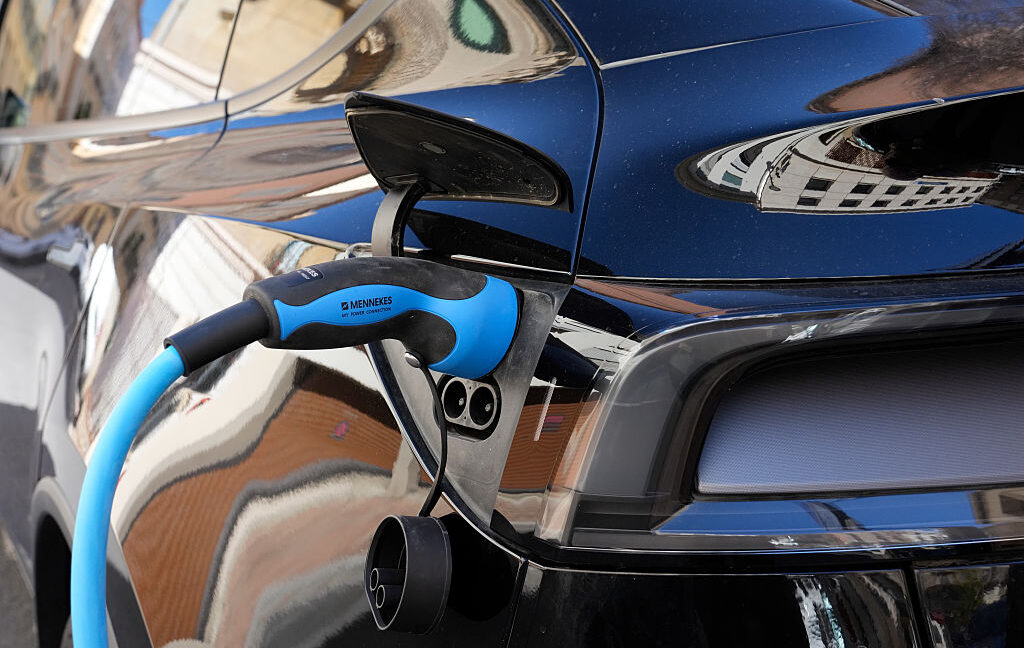
A new study reported by Ars Technica suggests that electric vehicle (EV) batteries hold up better over time than many consumers have assumed, potentially easing a common concern among prospective EV buyers.
According to the report, used electric vehicles were found to retain approximately 90 percent of their original usable battery capacity even after being driven 150,000 kilometers.
Battery degradation has long been cited by consumers and industry analysts as one of the primary hesitations around adopting electric vehicles, particularly regarding the long-term value and reliability of used EVs. Concerns have centered on the cost of battery replacement and the potential for reduced driving range as vehicles age.
The findings, as described by Ars Technica, indicate that real-world battery performance may be more durable than earlier fears suggested, which could have implications for the resale value of used electric vehicles and consumer confidence in the technology.
Ars Technica did not specify additional methodological details, such as the number of vehicles studied, the makes and models included, or the entity that conducted the research, in the excerpt available at the time of this report.
The broader implications of the findings for EV manufacturers, warranty policies, and the used-vehicle market were not detailed in the available source material.
المصادر
- EV batteries last longer than drivers feared — Ars Technica
يلخّص EGazette تقارير من مصادر متعددة؛ اتبع الروابط للاطلاع على الأصل.
مقالات ذات صلة

تيك توك تحتفل بعيد ميلادها العاشر، وسط جدل وتدقيق من المنظمين
تحتفل شبكة التواصل المفضلة لدى المراهقين بعيد ميلادها العاشر في 20 سبتمبر، عقد وصفته صحيفة لوموند بأنه مليء بالنزاعات التي جعلت المنصة هدفاً فضلاً للسلطات الأمريكية والأوروبية.

صحفيو الجارديان يجيبون على أسئلة القراء حول سيناريوهات الذكاء الاصطناعي المروعة
يفحص المراسلون المتخصصون في التكنولوجيا كيف قد يشكل الذكاء الاصطناعي تهديدات وجودية حقيقية، مع التشكيك في سيناريوهات الأسلحة البيولوجية والعقبات اللوجستية.

موظفو صناعة الذكاء الاصطناعي يعبرون عن شكوكهم حول تحذيرات المخاطر الوجودية
عدد من الموظفين في الشركات الرائدة في مجال الذكاء الاصطناعي يشككون في التنبؤات بأن التكنولوجيا قد تشكل تهديدات كارثية للبشرية

ترامب يعلن خططاً لإنشاء "قوة ذكاء اصطناعي" وتعيين "قيصر" للذكاء الاصطناعي
يقول الرئيس إن إدارته لن "تعيق أو تثبط" نمو الذكاء الاصطناعي، وسط تحذيرات مستمرة بشأن مخاطر التكنولوجيا

وثيقة قضائية: "أوبن إيه آي" جمعت ملايين مقالات نيويورك تايمز لتدريب نماذجها
صحيفة نيويورك تايمز تتهم شركة "أوبن إيه آي" باستخدام محتوى محمي بحقوق النشر دون إذن في إطار دعوى قضائية متصاعدة
ترامب يفتح استطلاعاً لاقتراح إعادة تسمية الذكاء الاصطناعي
يجادل الرئيس الأميركي بأن مصطلح "الذكاء الاصطناعي" لا يعكس بالكامل معنى التكنولوجيا، وفقاً لوكالة الأناضول.
Comments
Loading comments…