Star Trek Marks 60th Anniversary as Cast and Creators Reflect on Its Legacy
William Shatner and others involved with the science fiction franchise discuss its progressive themes and cultural influence as the series reaches its 60th milestone on September 8.
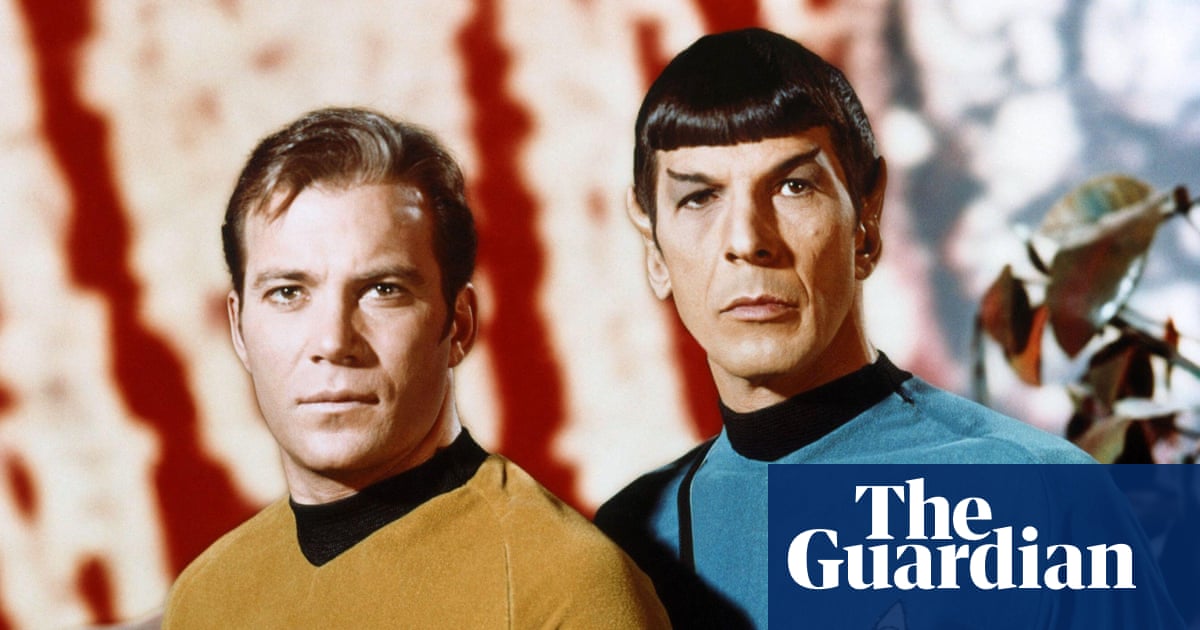
Star Trek, the science fiction television series that first aired in 1966, marks its 60th anniversary on September 8, according to a report by The Guardian. The occasion has prompted reflection from actor William Shatner and others involved with the franchise on its enduring legacy and its role as a cultural touchstone in the United States.
Shatner, who played Captain James T. Kirk, spoke to The Guardian about the show's philosophical underpinnings, referencing Kirk's tendency toward reflective, tag-line speeches. "What does 60 years mean? It really is meaningless, isn't it, 60 years, in terms of what time is?" Shatner said, according to the report, before drawing a comparison to the recent death of singer Dolly Parton as a way of illustrating the passage of time.
The Guardian highlighted the 1967 episode "The City on the Edge of Forever" as an example of the ethical complexity the series often explored. In that episode, Shatner's Kirk travels back in time and falls in love with a pacifist character played by Joan Collins, only to learn she must die in order to prevent Nazi Germany from winning the Second World War.
According to the report, such moral dilemmas are part of why Star Trek is remembered not only as a lasting presence in American entertainment but also as a series that has mirrored the country's political and social debates over six decades.
The Guardian's report includes further reflections from Shatner and others connected to the franchise on its progressive themes, though full details of those additional comments were not fully specified in the available excerpt.
Sources
- ‘I suggested maybe a lighter touch’: William Shatner on Star Trek at 60 — The Guardian — Culture
EGazette summarizes reporting from multiple sources; follow the links for the originals.
Related articles

Ukraine Signs Council of Europe Convention on TV Series Co-Production
The agreement, signed during the Carpathian Summit, is intended to open new opportunities for Ukrainian involvement in European television production.

Munich Adopts New Security Concept for 2026 Oktoberfest Featuring Artificial Intelligence
City authorities aim to prevent a repeat of the temporary closure that affected the world's largest beer festival last year

UN Resolution and New Initiatives Aim to Correct Global Perceptions of Africa
Efforts including a push to redraw the world map, school curriculum reforms and awareness campaigns seek to present a more accurate and positive image of the African continent, according to Deutsche Welle.

Taylor Swift, Tom Cruise Seen Sharing Suite at Arrowhead Stadium
The pop star and the actor were reported to have sat together while watching Kansas City Chiefs tight end Travis Kelce play.

New £1m grant launched to help communities protect green spaces
Fund aims to support local groups safeguarding threatened wildlife sites and green spaces, according to a BBC report.

Volunteer Group Marks Ten Years Clearing Debris From UK Harbour
From an inflatable doll to a games console, members say the harbour clean-up project continues to surprise them a decade on
Comments
Loading comments…