SpaceX Targets September 22 for First Orbital Starship Flight
The mission will also mark the first attempt to deploy next-generation V3 Starlink satellites, according to a TechCrunch report.
SpaceX plans to attempt its first orbital flight of the Starship rocket system on September 22, according to a report by TechCrunch.
The report states that the upcoming mission, run by Elon Musk's spaceflight company, will attempt to place the massive Starship vehicle into orbit for the first time.
According to TechCrunch, the flight will also include an attempt to deploy the first V3-generation Starlink satellites, an upgraded version of the satellites that make up SpaceX's broadband internet constellation.
The report did not provide further details on the mission's flight profile, launch site or specific technical objectives beyond the orbital insertion attempt and satellite deployment.
SpaceX has not issued a separate statement confirming the details reported by TechCrunch.
Sources
EGazette summarizes reporting from multiple sources; follow the links for the originals.
Related articles
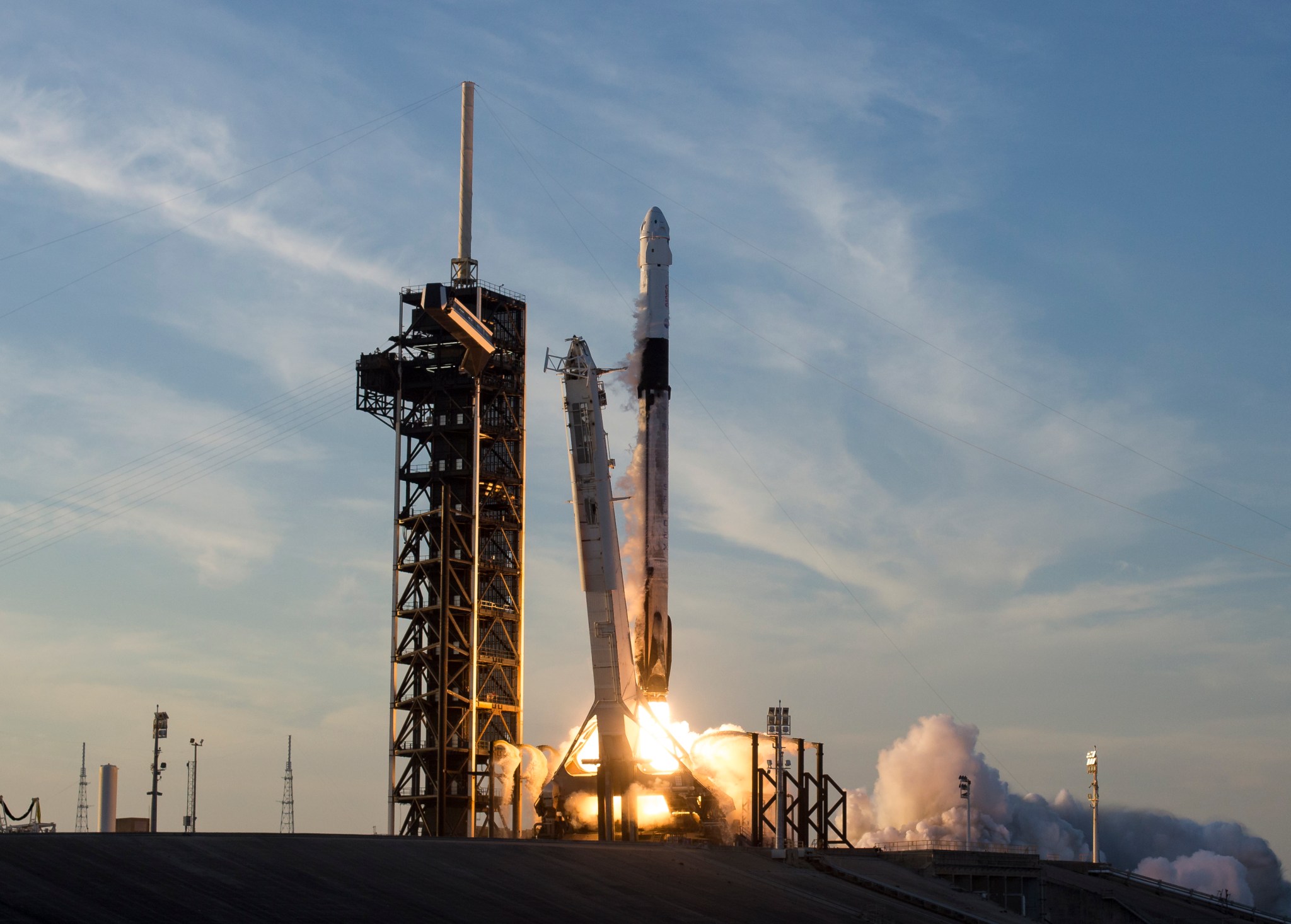
NASA Awards SpaceX Three Additional Crew Missions to Space Station
Contract modification extends SpaceX’s role in ferrying astronauts to the International Space Station under NASA’s Commercial Crew Program

Ukrainian Jet-Powered Interceptor Passes Key Tests, Reserves Speed to Engage Targets, Ukrinform Reports
A Ukrainian-made jet-powered interceptor has demonstrated sufficient speed reserves during testing to engage a range of aerial targets, according to Ukrainian news agency Ukrinform.

Trump Says US Will Create an ‘AI Force’ Modeled on Space Force
The US president did not specify whether the initiative would involve establishing a new branch of the armed forces, according to TASS.

TechCrunch Sets Sept. 25 Deadline for Discounted Disrupt 2026 Tickets
Early ticket pricing for the annual technology conference is set to expire in six days, according to TechCrunch.

China Pushes Back on US Warnings to Slow AI Development, Guardian Reports
Beijing officials and businesses argue calls for caution are designed to preserve America's technological lead, according to a Guardian report

Homoglyph attacks: how scammers use nearly identical URLs to steal credentials
Fraudsters are exploiting character substitution—replacing Latin letters with lookalike Cyrillic or other Unicode characters—to create fake websites that pass casual inspection.
Comments
Loading comments…