BRICS Summit: Fake AI-Generated Selfie of Putin Shared by Russian and Iranian Embassies
Images presented as selfies of Vladimir Putin with world leaders at the recent BRICS summit were distributed by official accounts before being identified as AI-generated, according to France 24.

Pictures allegedly showing Russian President Vladimir Putin taking selfies with several world leaders at the recent BRICS summit circulated on social media, according to France 24. These images were notably shared by the embassies of Iran and Russia, as well as by a spokesperson for the Bharatiya Janata Party (BJP), the ruling party in India.
According to the source, these photographs are not authentic: they were reportedly generated by artificial intelligence. Their distribution by institutional accounts nevertheless contributed to their spread online, leading part of the public to believe in their authenticity.
France 24 notes that the dissemination of such content by diplomatic missions and political figures raises questions about source verification before sharing, at a time when AI image generation tools are making it increasingly difficult to distinguish between real photographs and synthetic content.
The article does not specify, at this stage, what action was taken by the embassies in question or whether the posts were removed or corrected.
Sources
- Sommet des Brics : un selfie de Poutine généré par IA partagé par les ambassades d’Iran et de Russie — France 24 — Français
EGazette summarizes reporting from multiple sources; follow the links for the originals.
Related articles
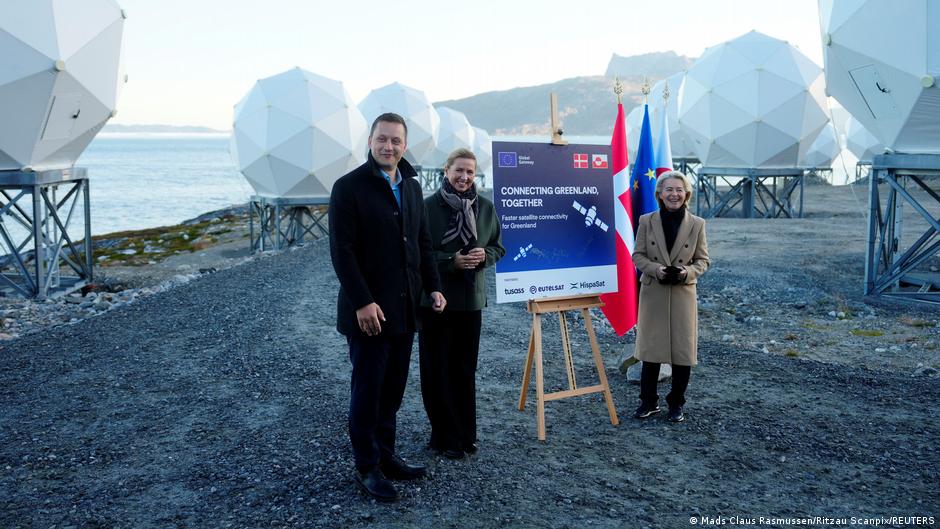
Denmark Keeps Details of Anticipated Greenland Agreement with Washington Under Wraps
Copenhagen refuses to disclose agreement terms with the United States, amid diverging portrayals by both parties
Australia appoints new diplomats to key posts in Cairo, Port Moresby, Dili, and New York
Foreign minister Penny Wong announces diplomatic appointments as part of efforts to strengthen Australia's international engagement.
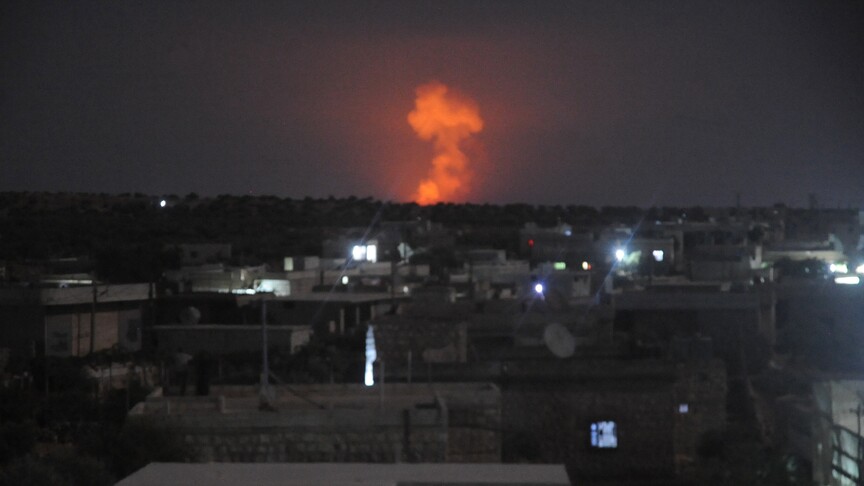
Powerful Explosions Reported in Syria's Aleppo Countryside
Blasts were heard in the town of Al-Eis, with local sources attributing them to a Defense Ministry ammunition depot, according to state media.
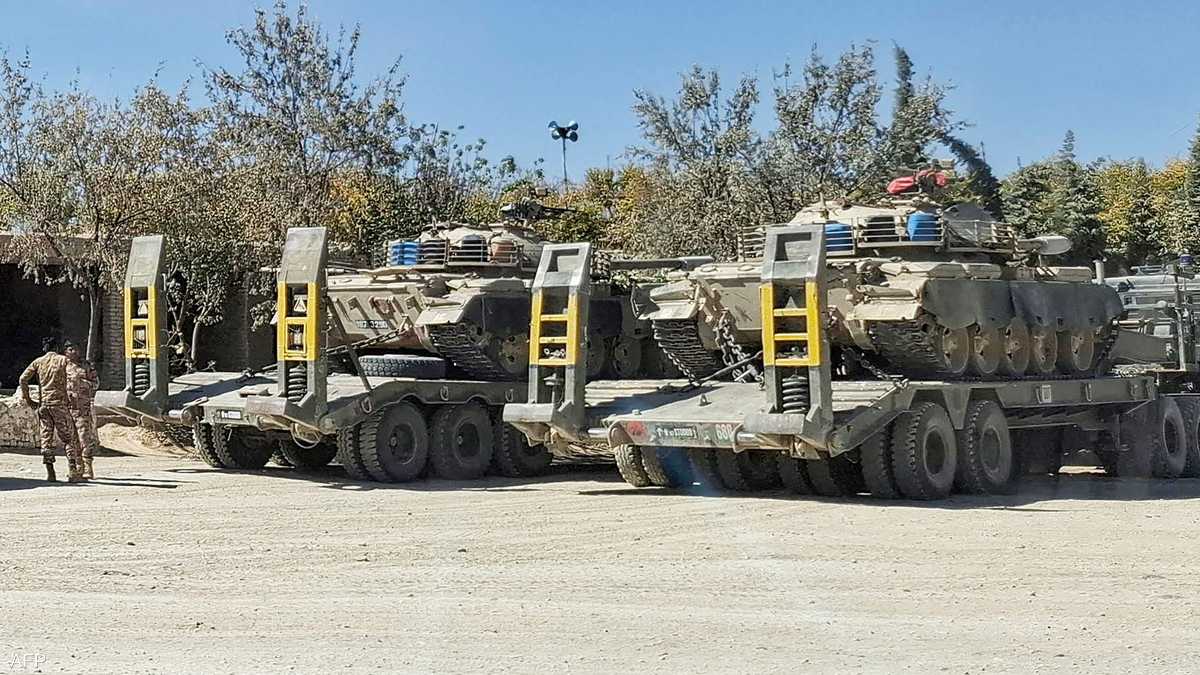
Six Pakistani soldiers, including two officers, killed in clash near Afghan border
Pakistan's military announces deaths of its personnel in Hangu area of Khyber Pakhtunkhwa amid escalating border violence.

Houthis Accuse Saudi Arabia of 28 Airstrikes in 24 Hours; U.S. Intelligence Chief Visits Cairo
The Houthis reported intensive Saudi airstrikes while residents warn of a mounting food crisis in Taiz.
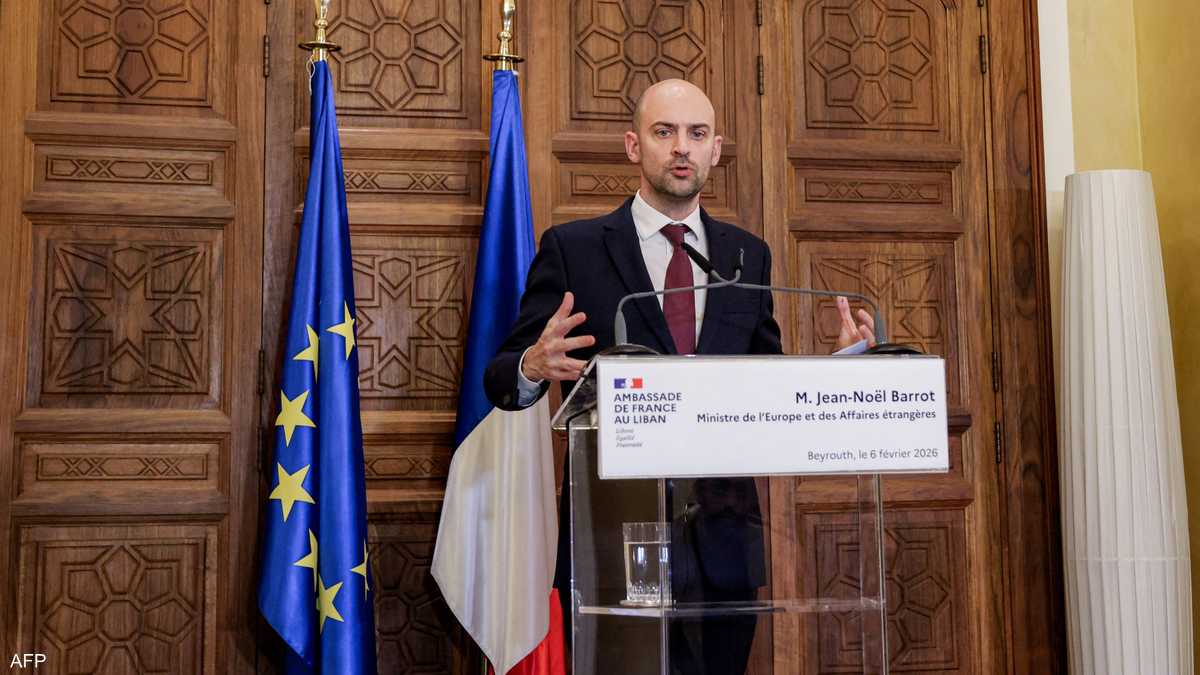
Paris Threatens Response to Tehran's Closure of French Cultural Center
French Foreign Ministry announces recall of Iranian ambassador and vows appropriate measures after Tehran closes French embassy language education center
Comments
Loading comments…