Some US Restaurants Move to Ban Tipping, Adopt 'What You See Is What You Pay' Model
A number of American eateries are eliminating tips, arguing the long-standing practice is unfair to workers and diners alike, according to BBC Business.

Tipping has long been a central feature of dining culture in the United States, with customers typically expected to add 15% to 20% or more to their bill as a gratuity for service staff. However, according to a report by BBC Business, some restaurants across the country are now moving away from this system entirely.
These establishments are adopting what has been described as a "what you see is what you pay" model, in which menu prices reflect the full cost of a meal without the expectation of an additional tip. Proponents of the change argue that traditional tipping practices can be unfair, both to customers navigating an often confusing system and to workers whose pay can fluctuate unpredictably based on gratuities.
The shift comes amid ongoing debate in the US restaurant industry over compensation structures for service workers, many of whom rely heavily on tips to supplement base wages that are often set below the standard minimum wage under federal and state tipped-wage laws.
BBC Business reports that the move by these restaurants reflects broader questions being raised about whether the tipping system serves the interests of workers, business owners, and diners.
Sources
EGazette summarizes reporting from multiple sources; follow the links for the originals.
Related articles

New Yorkers and Londoners Weigh In on Restaurant Tipping Habits
A BBC Business video captures residents of both cities discussing how much they typically tip and whether tipping culture has become excessive

In Paris's trendy restaurants, uncomfortable furniture becomes an accepted norm
Fashionable establishments offer tiny seats and overcrowded spaces, an discomfort embraced by both restaurateurs and diners.

Photo Shows Construction Worker Loading Debris at Building Site in Pakistan
A news photograph distributed by the Associated Press of Pakistan depicts a laborer clearing construction waste at an active building site.

Goldman Sachs Economist Links Weak Consumer Sentiment to Broader Societal Unhappiness
Despite steady economic performance, U.S. consumer confidence remains subdued, and a Goldman Sachs economist says declining overall happiness may be a factor.

Entertainment Labor Groups Push Back on Existential AI Warnings, Citing Present-Day Concerns
As tech industry figures warn AI could threaten humanity's survival, Hollywood labor advocates say attention should stay on current effects on jobs and creative work, according to a report from The Verge.
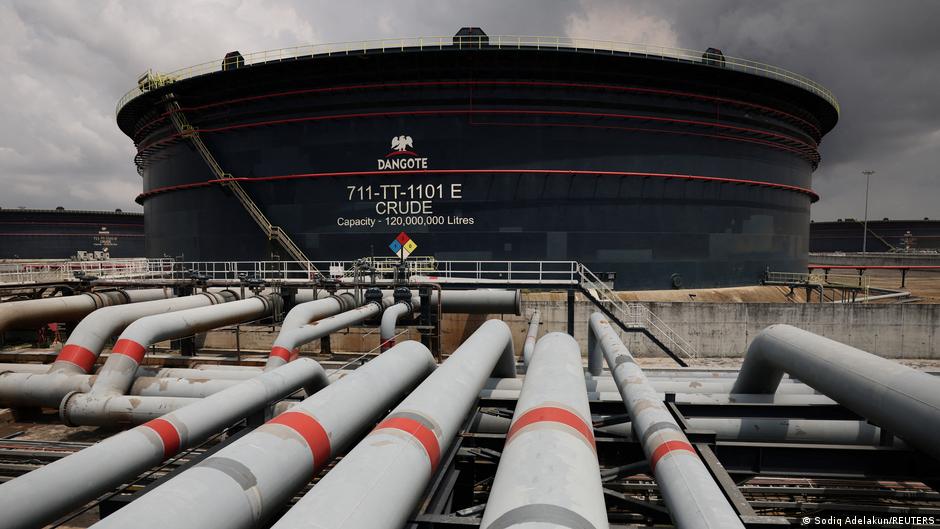
Dangote Refinery's $1.6 Billion Share Offer Seen as Out of Reach for Many Nigerians
Africa's richest man, Aliko Dangote, is seeking $1.6 billion from investors to fund a major expansion of his oil refinery, but analysts say the offer may be unaffordable for ordinary Nigerians.
Comments
Loading comments…