Sebastian Barry's 'The Newer World' Reviewed as Latest Entry in American Trilogy
The Guardian's review examines Barry's new novel, which follows a formerly enslaved narrator in post-civil war America and continues themes from his earlier work 'Days Without End.'
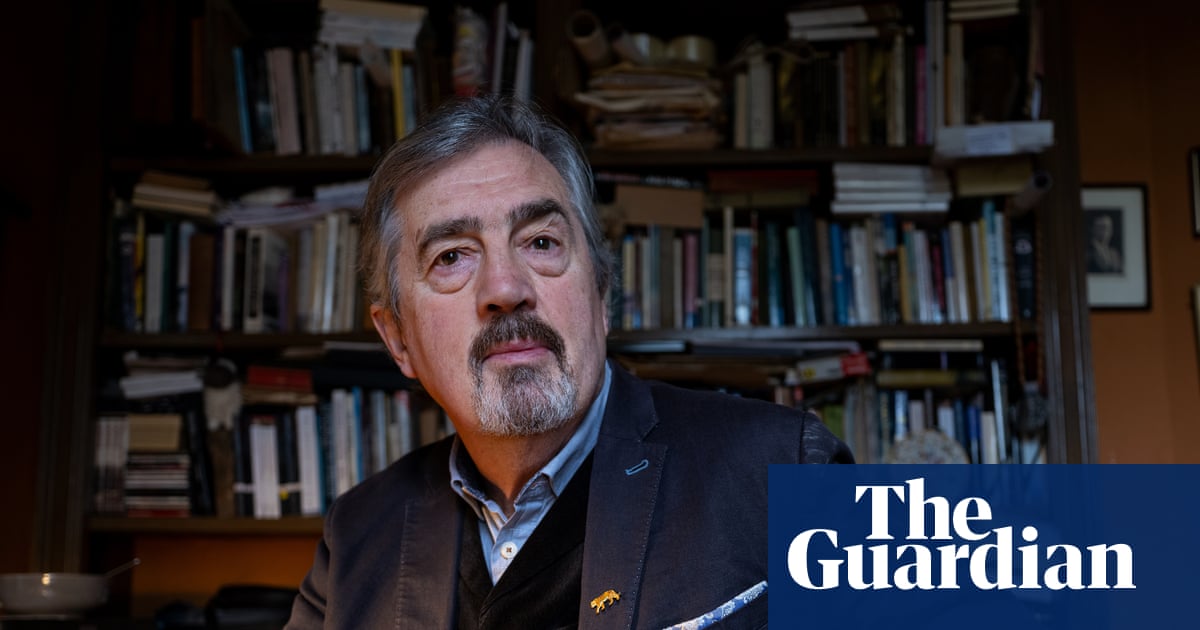
A review published by The Guardian's Culture section examines Sebastian Barry's new novel, The Newer World, described as the third book in a loose American trilogy by the Irish author.
According to the review, the novel is narrated by Tennyson Bouguereau, a formerly enslaved man in post-civil war America who recounts his life story. The narrator poses the question, "But is not the story as good as the truth?" which the reviewer says evokes a long-standing debate over whether history is better understood through novelists or historians.
The reviewer draws a comparison to a line from Barry's 2008 Costa award-winning novel The Secret Scripture, in which a narrator describes history as "a fabulous arrangement of surmises and guesses held up as a banner against the assault of withering truth." The review also references Hilary Mantel's Reith Lectures, in which Mantel described history as "what's left in the sieve when the centuries have run through it," though the reviewer states a preference for viewing history as more like a butterfly net, in which historians capture what they deem significant while leaving other things out.
The review situates The Newer World within Barry's broader body of work, which it says has often used fiction to fill gaps left by historical record, merging personal and national tragedies. Barry's earlier novels, according to the review, refracted Irish history through two fictional families, the Dunnes and the McNultys.
The review notes that Barry's earlier novel Days Without End, for which he won a second Costa award, marked his first exploration of this period of American history. That novel followed Thomas McNulty, a character who flees the Irish famine for America and becomes drawn into the clearing of Native Americans from their land, alongside his lover and fellow soldier John Cole.
The review describes The Newer World as continuing this American narrative arc, with the reviewer characterizing the storytelling in the new novel as a "near-miracle."
Sources
- The Newer World by Sebastian Barry review – a near-miracle of storytelling — The Guardian — Culture
EGazette summarizes reporting from multiple sources; follow the links for the originals.
Related articles

Ukraine Signs Council of Europe Convention on TV Series Co-Production
The agreement, signed during the Carpathian Summit, is intended to open new opportunities for Ukrainian involvement in European television production.

Munich Adopts New Security Concept for 2026 Oktoberfest Featuring Artificial Intelligence
City authorities aim to prevent a repeat of the temporary closure that affected the world's largest beer festival last year
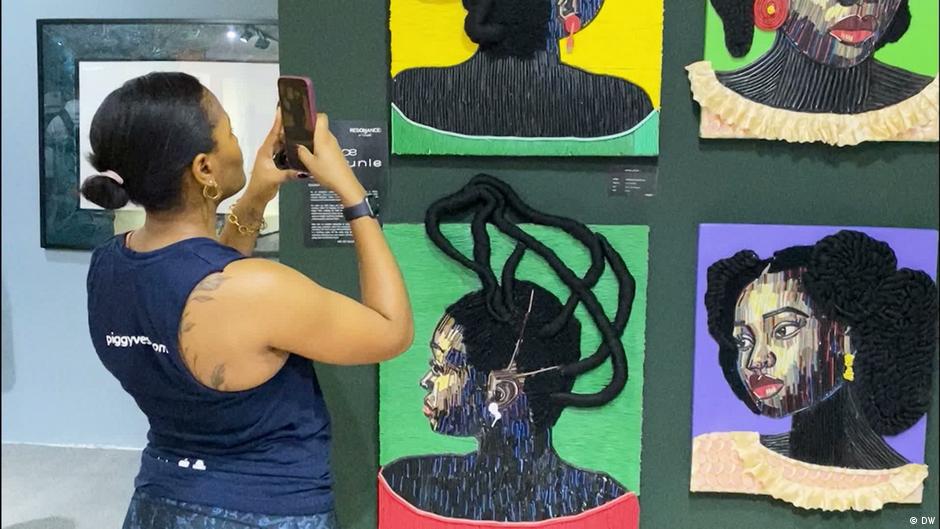
UN Resolution and New Initiatives Aim to Correct Global Perceptions of Africa
Efforts including a push to redraw the world map, school curriculum reforms and awareness campaigns seek to present a more accurate and positive image of the African continent, according to Deutsche Welle.

Taylor Swift, Tom Cruise Seen Sharing Suite at Arrowhead Stadium
The pop star and the actor were reported to have sat together while watching Kansas City Chiefs tight end Travis Kelce play.

New £1m grant launched to help communities protect green spaces
Fund aims to support local groups safeguarding threatened wildlife sites and green spaces, according to a BBC report.

Volunteer Group Marks Ten Years Clearing Debris From UK Harbour
From an inflatable doll to a games console, members say the harbour clean-up project continues to surprise them a decade on
Comments
Loading comments…