Scientists Divided Over Whether Origin of Life Can Ever Be Fully Known
A Scientific American article highlights ongoing disagreement among researchers about how biology first emerged on Earth—and whether the question can ever be definitively answered.
An article published by Scientific American, titled "Will we ever know how life began?", examines a long-standing scientific debate over the origins of biological life on Earth, according to the publication.
The piece states that scientists disagree both on the specific mechanisms by which life may have started and on the more fundamental question of whether such an event can ever be conclusively established through scientific inquiry, Scientific American reported.
The origin of life remains one of the most persistent open questions in science. Because the emergence of the first living organisms occurred billions of years ago and left no direct physical record, researchers have historically relied on laboratory experiments, geological evidence and theoretical models to construct competing hypotheses, rather than direct observation of the event itself.
According to the article's framing, this reliance on indirect evidence is central to the disagreement among scientists, some of whom question whether any single explanation could ever be verified with the same certainty as other scientific findings.
Scientific American did not, in the excerpt reviewed, specify which particular hypotheses or research groups are involved in the current debate. The full article reportedly explores the range of scientific perspectives on the matter in greater depth.
The question of life's origin continues to draw interest across multiple scientific disciplines, including chemistry, geology and biology, as researchers seek to understand the conditions under which non-living matter could have given rise to the first living systems.
Sources
- Will we ever know how life began? — Scientific American
EGazette summarizes reporting from multiple sources; follow the links for the originals.
Related articles
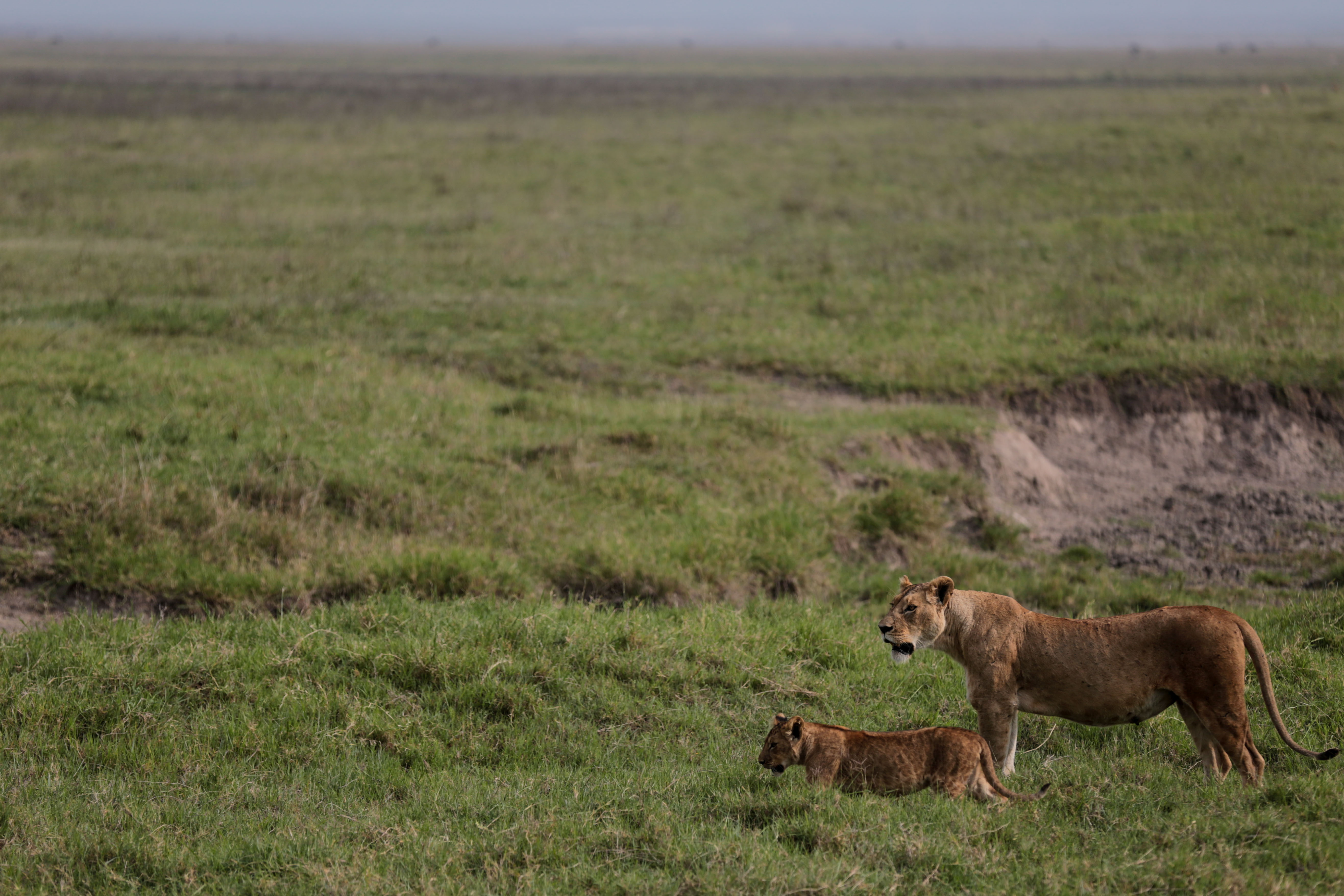
Poison suspected in deaths of ten lions at Tanzania game reserve
The lions were discovered dead in the Ngorongoro Conservation Area, prompting wildlife officials to investigate.
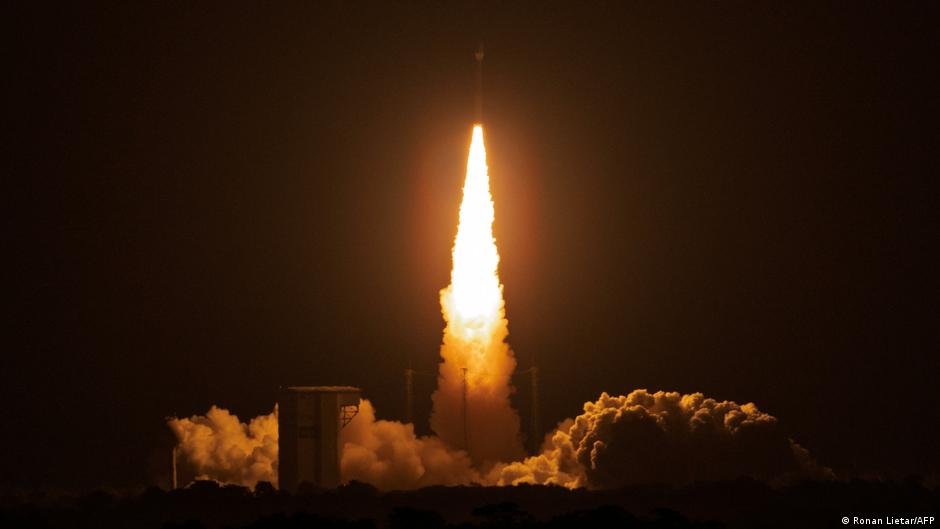
European Space Agency Launches Two Satellites to Monitor Climate Change
The new satellites will help scientists study the effects of climate change, with one instrument dedicated to observing plant life

Exceptional Discovery of Denisovan Fossils in a Southwestern Chinese Cave
Extremely rare remains of these Asian "cousins" of Neanderthals have been unearthed alongside stone tools, shedding new light on their way of life.
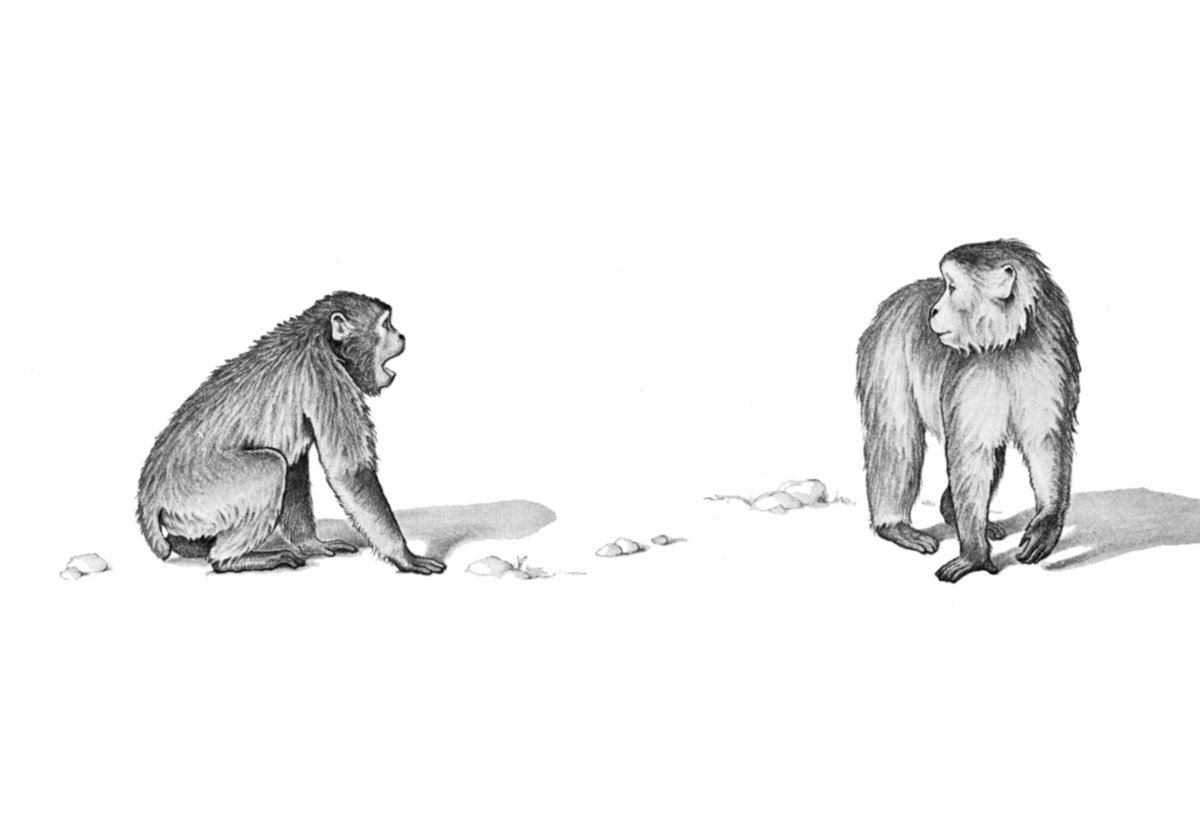
Scientific American's October Retrospective Looks Back at Smallpox, Skyscrapers and Racetrack Research
A historical column published by Scientific American revisits science and technology milestones from 50, 100 and 150 years ago, touching on smallpox eradication efforts, skyscraper excavation work and research conducted at racetracks.

NASA's Astronomy Picture of the Day Features Analemma Over Scotland's Callanish Stones
The September 20, 2026 edition of NASA's long-running APOD series highlights a composite image showing the sun's yearly path above the ancient Callanish Stones.

New Archaeological Evidence Points to Hidden Passages Behind Tutankhamun's Tomb
Archaeological study reopens the file on the lost tomb of Queen Nefertiti after detecting indicators of undiscovered chambers and passages behind the walls of the young pharaoh's tomb in the Valley of the Kings
Comments
Loading comments…