Scientific American Traces the Sun's Long Road to Its Eventual Demise
A new feature explores the key stages the sun will pass through before its light finally fades, billions of years from now.
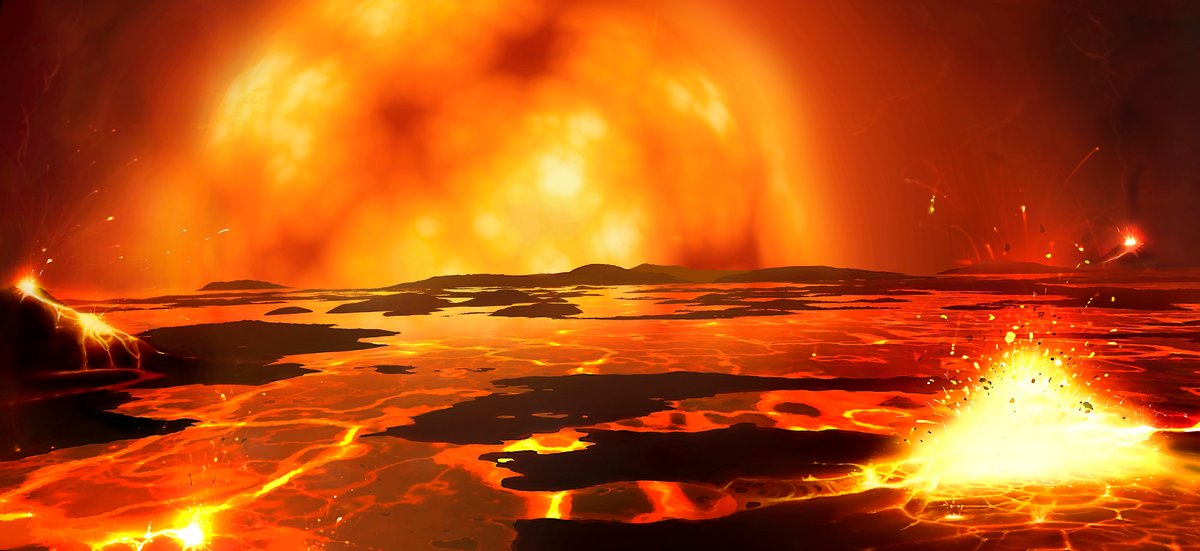
The sun, which has powered life on Earth for roughly 4.6 billion years, is on what Scientific American describes as "a long, strange trip to its eventual demise." A recent article published by the outlet outlines the major milestones the star is expected to pass through before it stops shining altogether.
According to the publication, the sun's transformation will unfold gradually over an immense span of time, moving through distinct phases as it exhausts the nuclear fuel that currently powers it. The piece frames these changes as a sequence of "key stops," suggesting the sun's end is not a single event but a prolonged process of physical change.
Scientific American notes that the sun is a star like billions of others in the universe, and its life cycle follows patterns astronomers have studied in other stars of similar size and composition. The magazine's coverage situates the sun's fate within this broader understanding of stellar evolution.
The article does not suggest any imminent danger to Earth or humanity, framing the sun's eventual dimming as a far-future event measured on cosmic timescales rather than one with near-term consequences.
Scientific American, a long-running publication covering scientific research and discovery, regularly publishes explainer-style features on astronomy and space science topics for a general audience.
المصادر
- How much longer will the sun shine? — Scientific American
يلخّص EGazette تقارير من مصادر متعددة؛ اتبع الروابط للاطلاع على الأصل.
مقالات ذات صلة
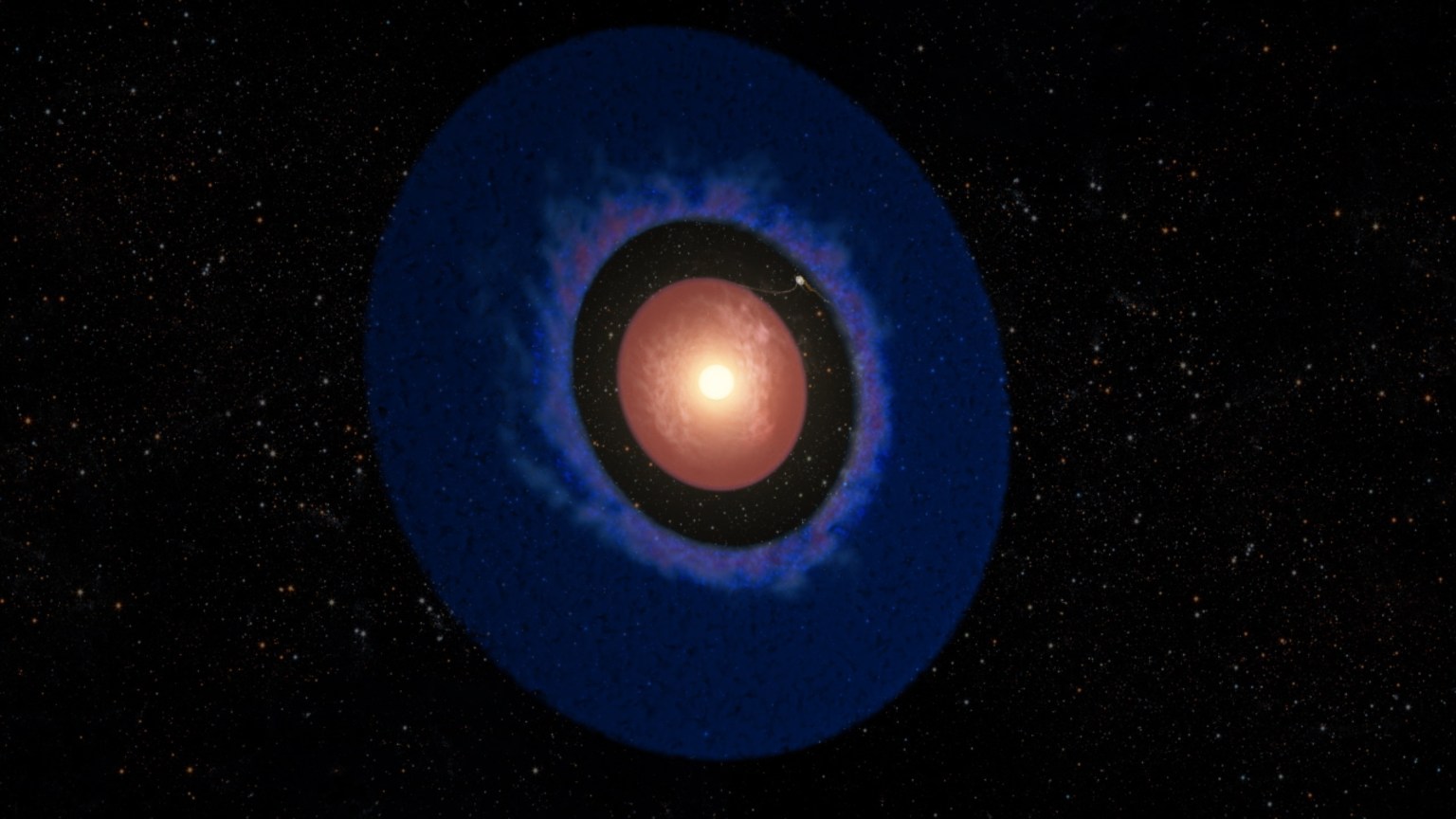
علماء الفلك يؤكدون اكتشاف أصغر كوكب معروف، يقل عمره عن مليون سنة
بيانات ممولة من وكالة ناسا تكشف عن عالم وليد لا يزال يتشكل داخل قرصه الأولي من الغبار والغاز، مما يطعن في نماذج تشكل الكواكب الحالية.
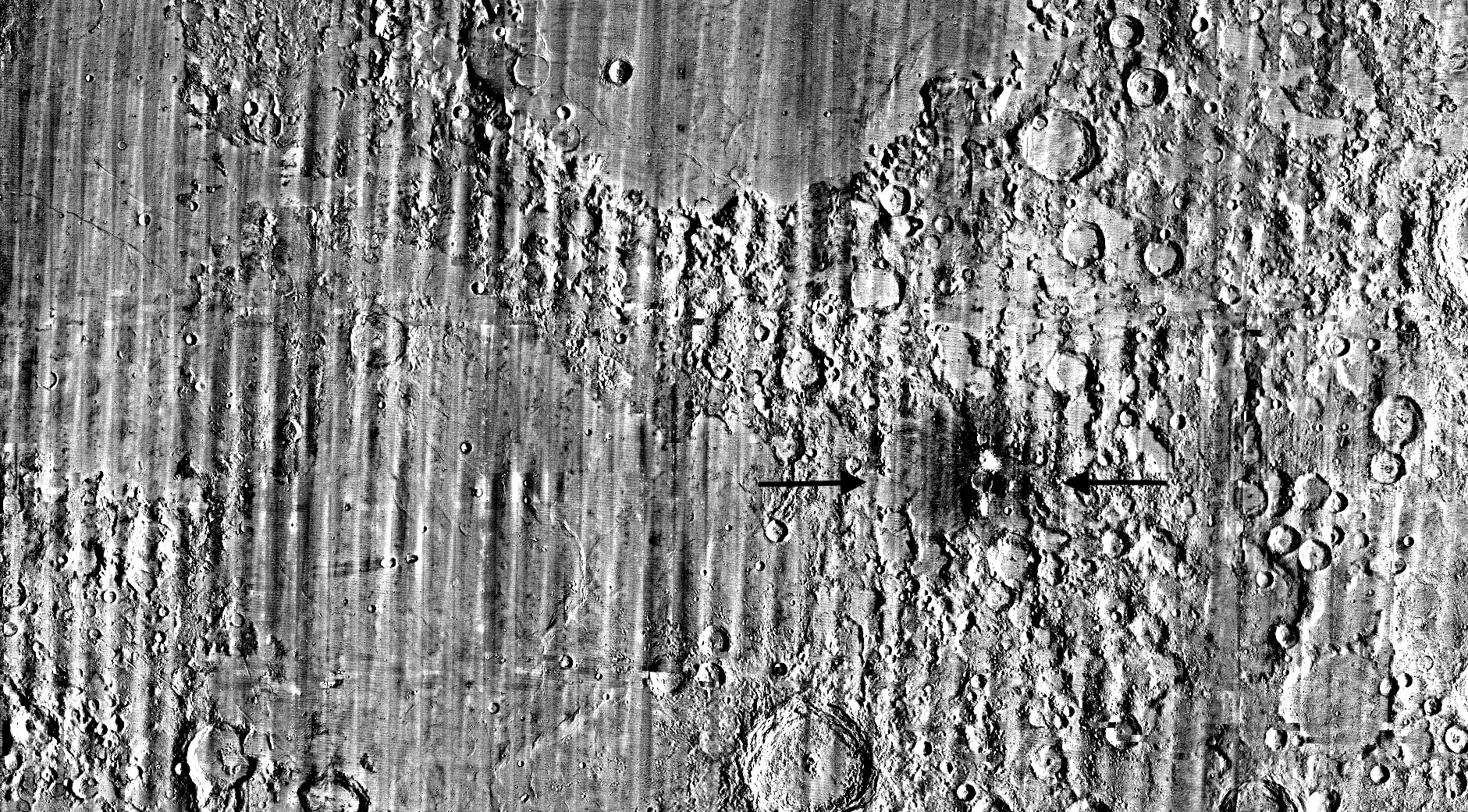
مسبار ناسا القمري يحدد فوهة اصطدام حديثة التكون على سطح القمر
يقول العلماء الذين يستخدمون مسبار الاستطلاع القمري إنهم اكتشفوا فوهة جديدة تكونت خلال السنوات الماضية، واصفين إياها بأنها اكتشاف نادر يحدث 'مرة في القرن'.
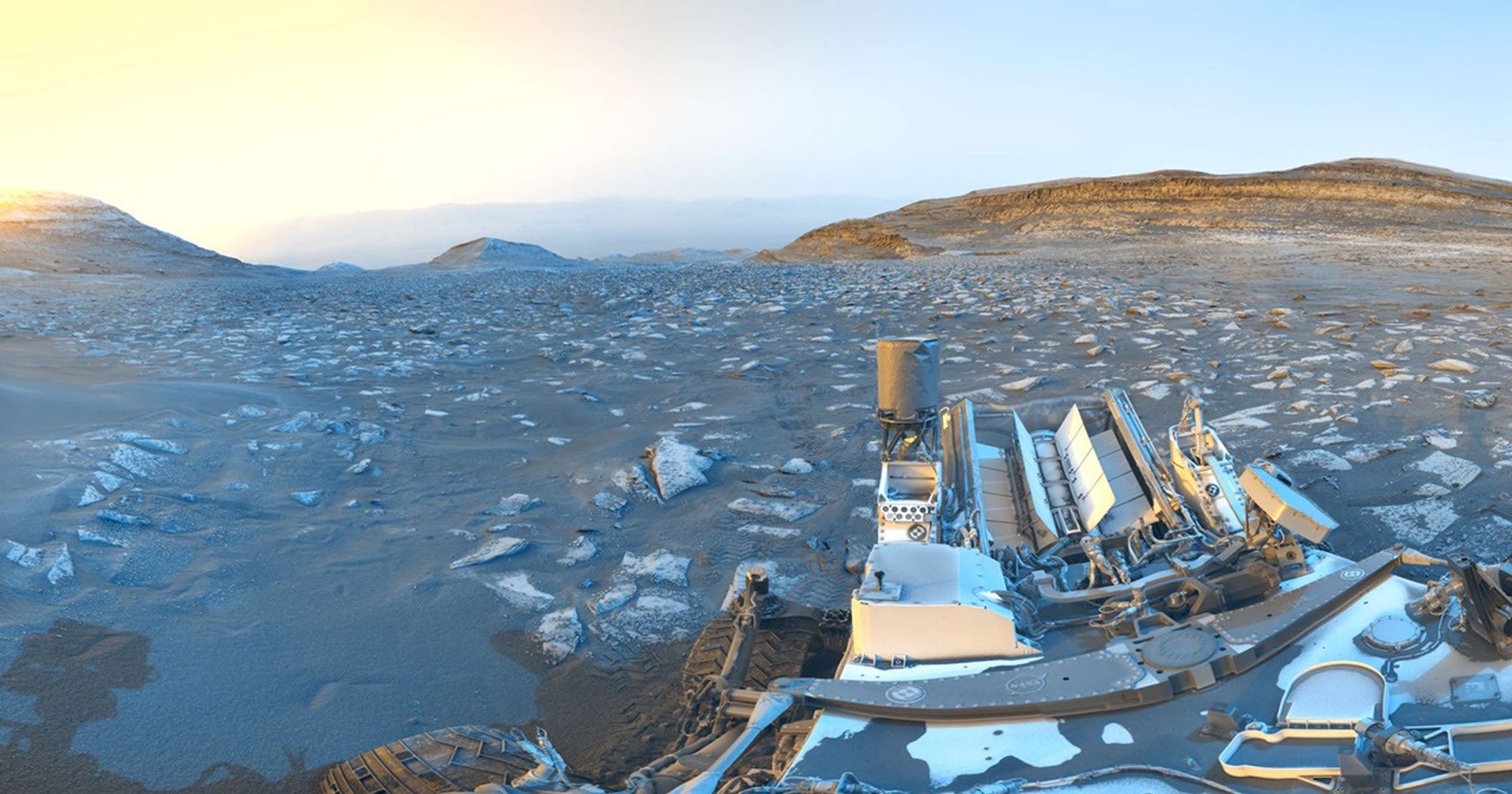
مركبة كيوريوسيتي التابعة لناسا تحتفل بيومها الـ 5000 على المريخ برسالة صور مركبة
جمعت مركبة المريخ كيوريوسيتي بين صورتي بانوراما من كاميرات الملاحة التقطتا بفاصل أيام لإنشاء صورة تخلد مرحلة مهمة، وفقاً لناسا.

إطلاق مركبة بروجريس إم إس-35 الشحنية نحو محطة الفضاء الدولية تحمل معدات تليدرويد
السفينة الشحنية الروسية مقررة للالتحام بوحدة بويسك في محطة الفضاء الدولية في 19 سبتمبر، وفقاً لوكالة تاس.
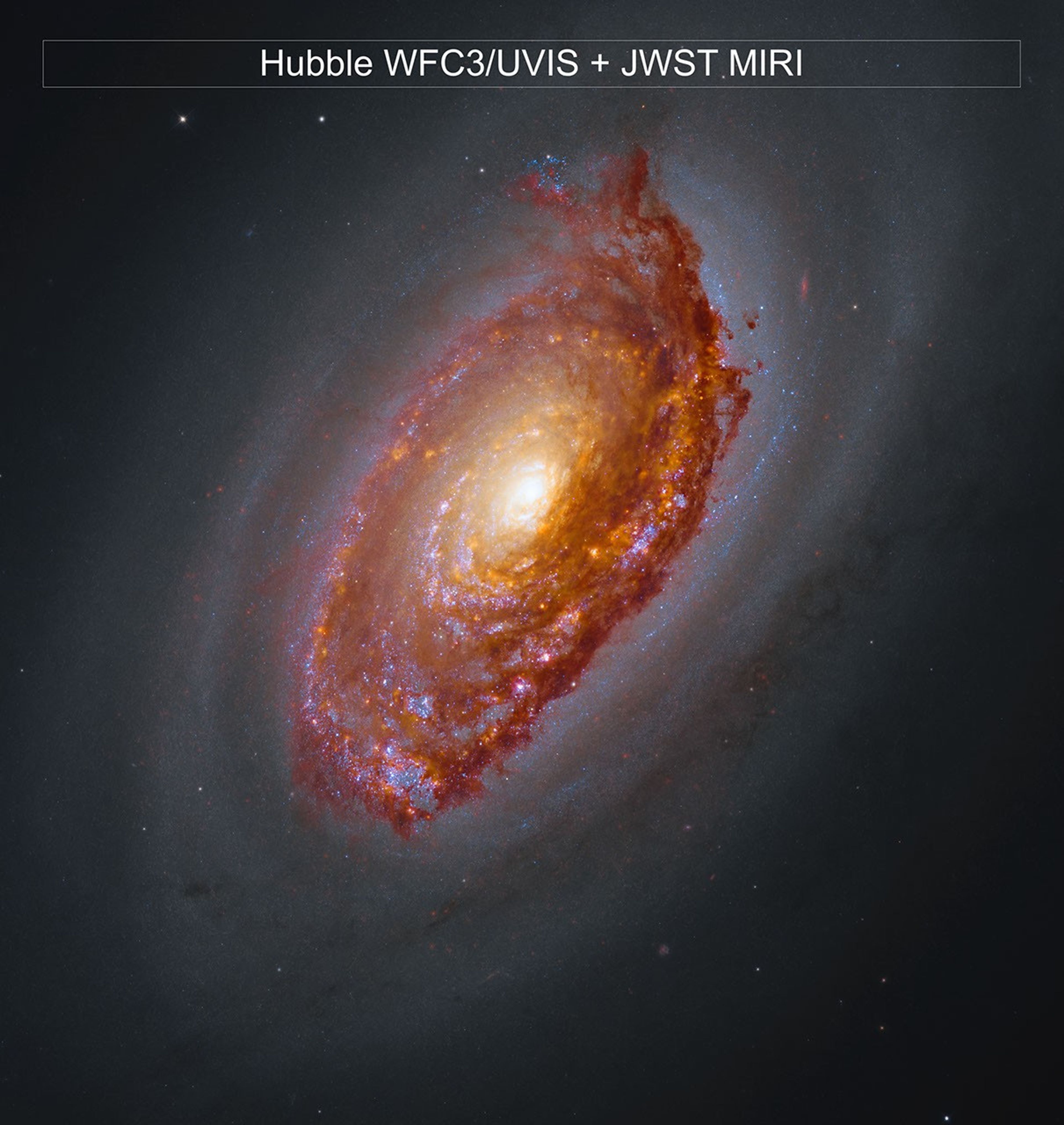
صورة اليوم الفلكية من ناسا تعرض رؤية تلسكوب جيمس ويب لمجرة M64
تضم صورة اليوم الفلكية ليوم 16 سبتمبر 2026 مراقبة تلسكوب جيمس ويب الفضائي لمجرة حلزونية تُعرف باسم مجرة العين السوداء.
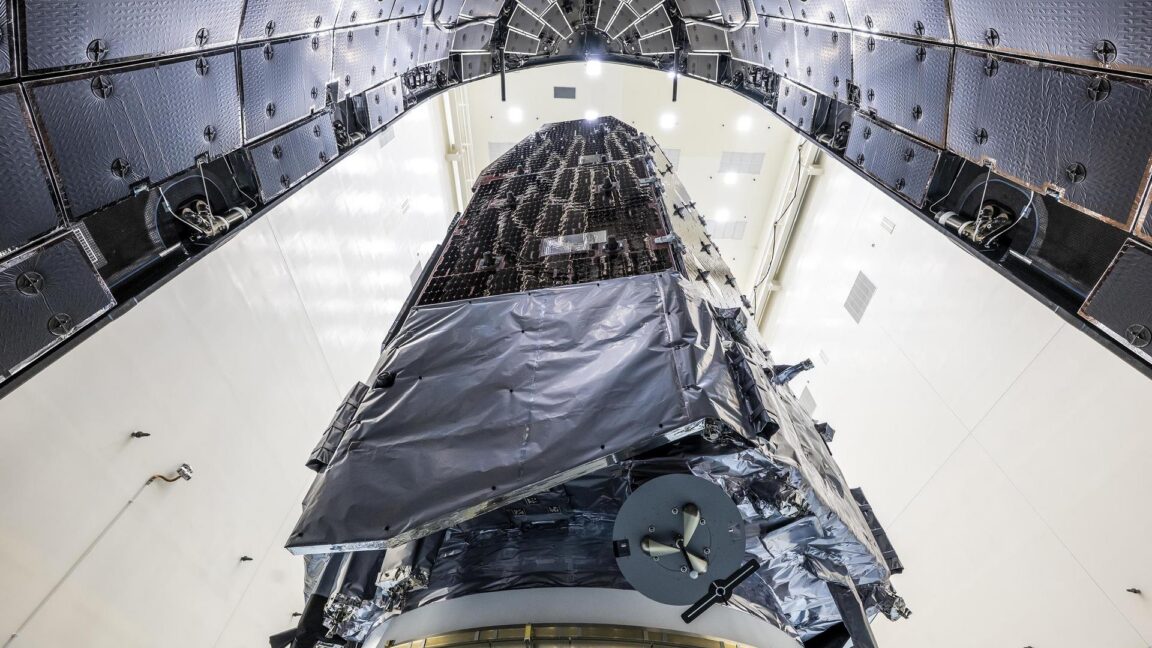
تلسكوب رومان الفضائي التابع لناسا لديه وقود كافٍ لمدة 22 سنة، مضاعفة التقدير الأصلي
وفقاً لتقرير من آرس تكنيكا، يحمل تلسكوب نانسي جريس رومان الفضائي وقوداً كافياً للعمل لمدة 22 سنة، أي ضعف ما كانت ناسا قد خططت له في الأصل، وهو أول مرصد فضائي تابع لناسا مزود بقدرة إعادة التزود بالوقود في الفضاء
Comments
Loading comments…