Scientific American Explores Whether Some Scientific Mysteries May Never Be Solved
A new article from Scientific American raises the question of whether certain fundamental scientific puzzles could remain permanently beyond the reach of human inquiry.
Scientific American has published an article examining whether some of the biggest open questions in science might never be answered, according to the publication.
The piece, titled "The Questions Science May Never Answer," poses the question directly, asking whether some of science's biggest mysteries will remain forever unsolved, the publication states.
The available excerpt from Scientific American does not specify which particular scientific questions are discussed in the full article or what conclusions, if any, are drawn about their solvability.
Scientific American is a long-running publication that covers developments and debates across the sciences, including questions at the frontiers of physics, biology, cosmology and other fields.
Further details on the specific mysteries addressed and any expert perspectives included in the piece were not available in the source material reviewed for this report.
Sources
- The questions science may never answer — Scientific American
EGazette summarizes reporting from multiple sources; follow the links for the originals.
Related articles
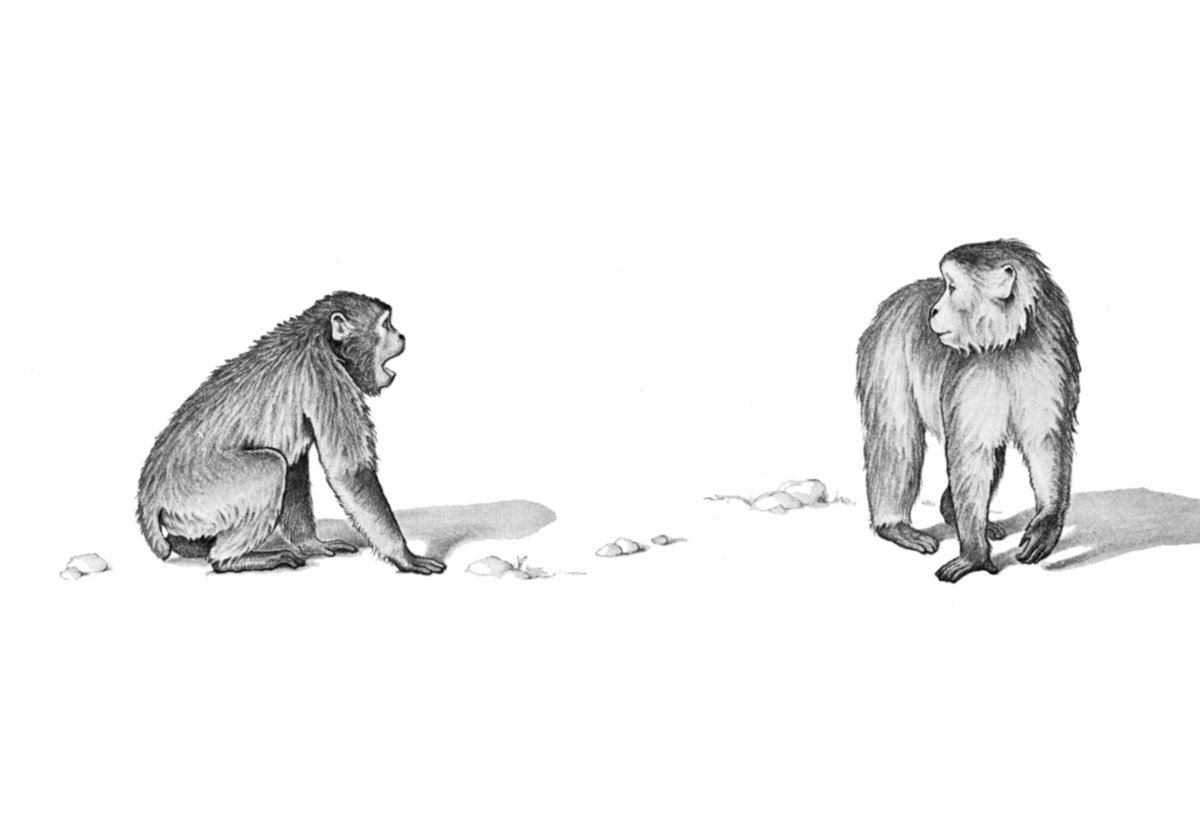
Scientific American's October Retrospective Looks Back at Smallpox, Skyscrapers and Racetrack Research
A historical column published by Scientific American revisits science and technology milestones from 50, 100 and 150 years ago, touching on smallpox eradication efforts, skyscraper excavation work and research conducted at racetracks.

Scientific American Explores What Science Reveals About Canine Perception
A new feature examines ongoing research into how dogs process the world around them, including their relationships with humans.
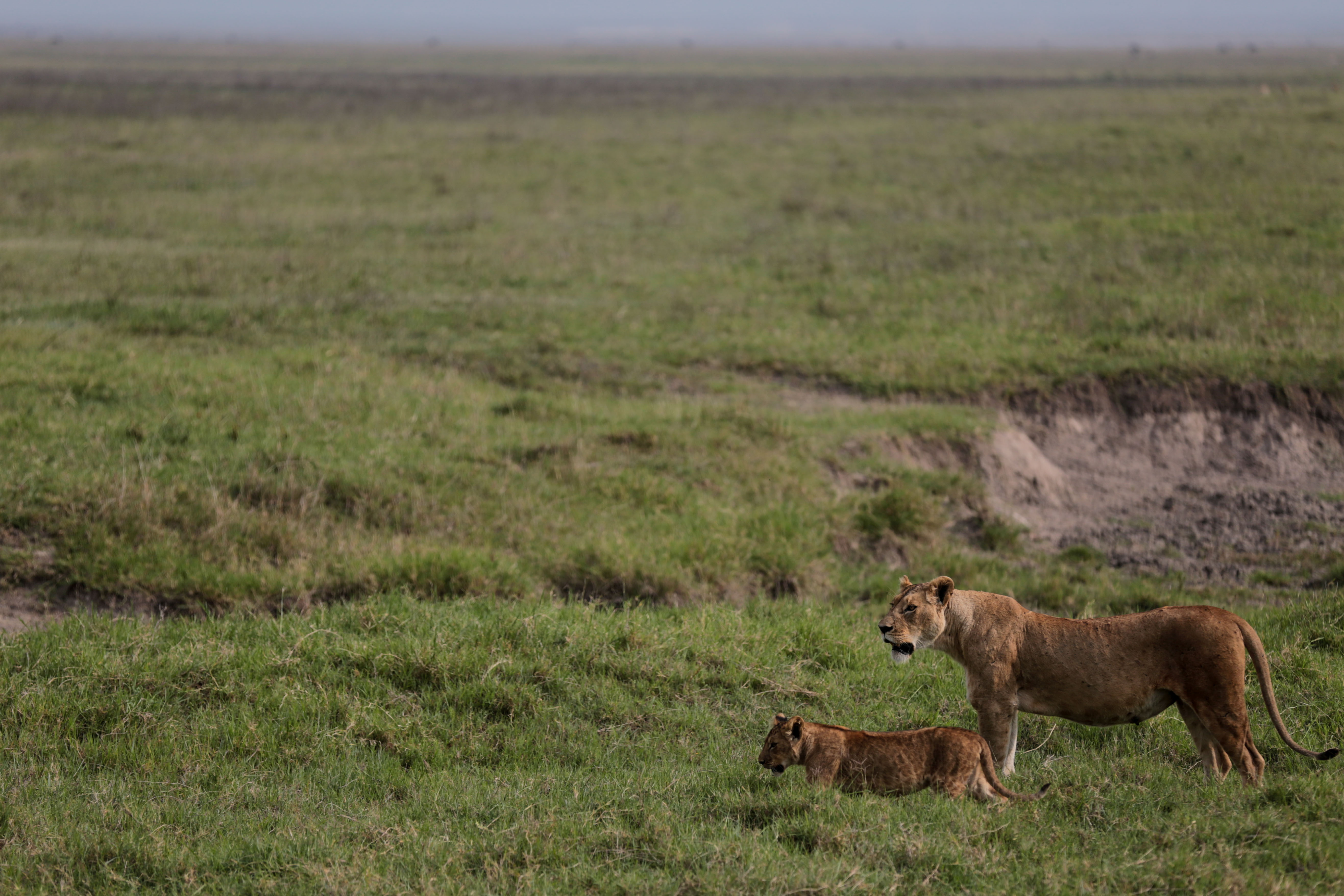
Poison suspected in deaths of ten lions at Tanzania game reserve
The lions were discovered dead in the Ngorongoro Conservation Area, prompting wildlife officials to investigate.
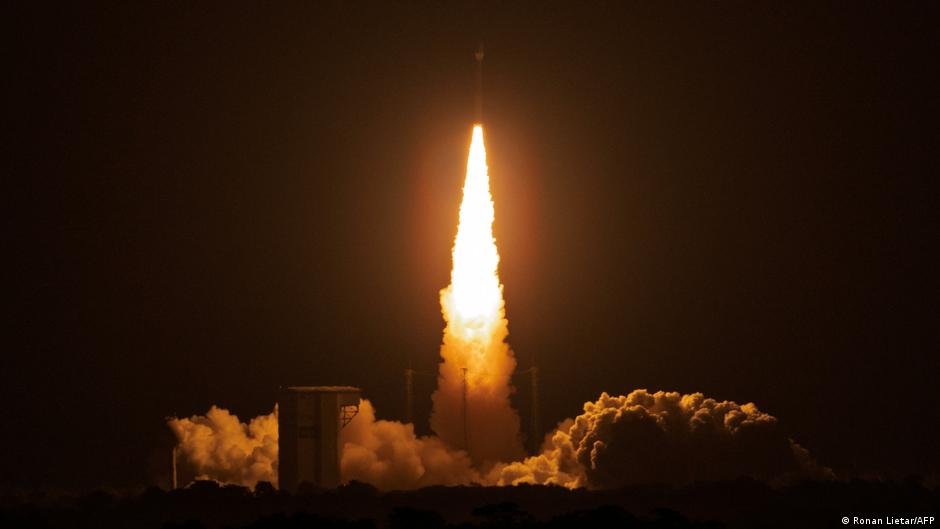
European Space Agency Launches Two Satellites to Monitor Climate Change
The new satellites will help scientists study the effects of climate change, with one instrument dedicated to observing plant life

Exceptional Discovery of Denisovan Fossils in a Southwestern Chinese Cave
Extremely rare remains of these Asian "cousins" of Neanderthals have been unearthed alongside stone tools, shedding new light on their way of life.

NASA's Astronomy Picture of the Day Features Analemma Over Scotland's Callanish Stones
The September 20, 2026 edition of NASA's long-running APOD series highlights a composite image showing the sun's yearly path above the ancient Callanish Stones.
Comments
Loading comments…