Scientific American Explores Whether Computers Could Match the Brain’s Energy Efficiency
A report examines the gap between the power efficiency of the human brain and today’s brain-inspired computing systems.
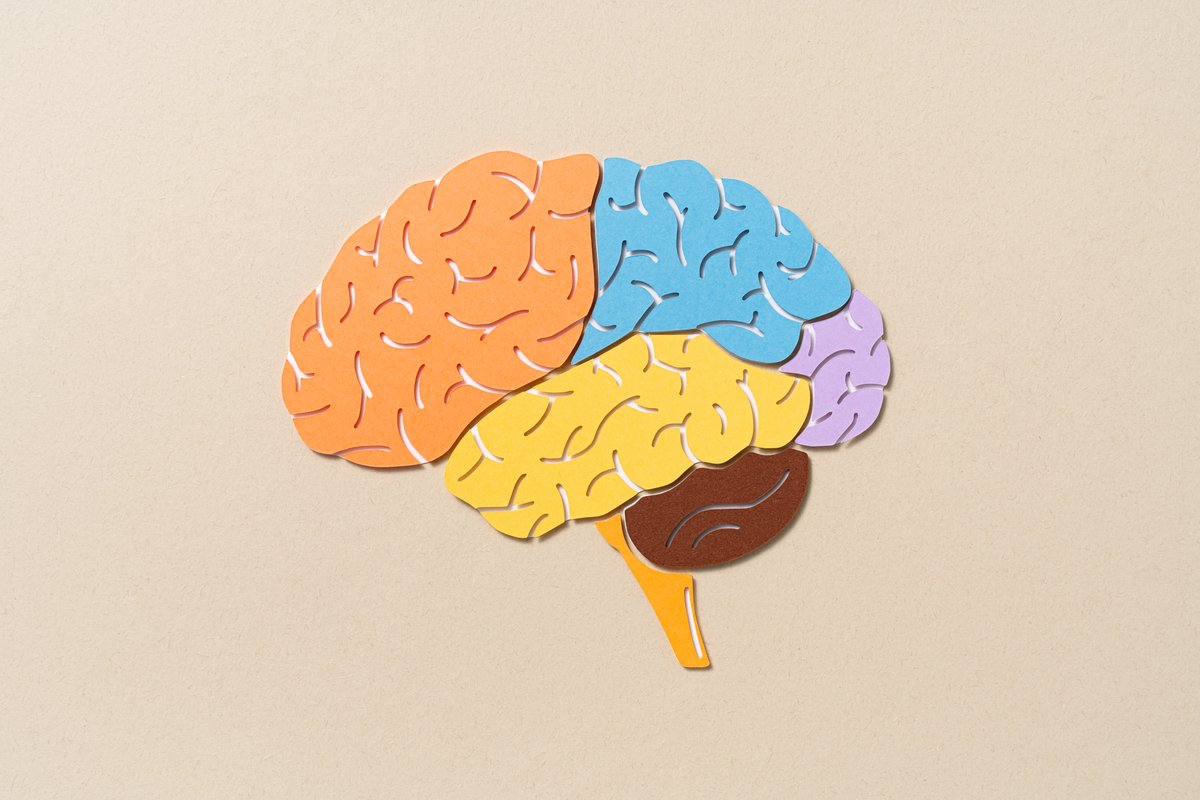
A report published by Scientific American poses a question that has long intrigued engineers and neuroscientists alike: could computers designed to mimic the human brain someday run on the same amount of power as the organ that inspired them?
According to the report, the human brain uses roughly the same amount of wattage as a household lightbulb, an efficiency that current computing systems—particularly those attempting to replicate brain-like processing—have yet to achieve.
The comparison highlights a persistent challenge in the field of neuromorphic computing, an area of research focused on designing hardware and software that emulate the structure and function of biological neural networks. Despite advances in this field, the report notes that matching the brain’s remarkable energy efficiency remains an open technical hurdle.
Scientific American’s report frames this efficiency gap as a central question for researchers working to build next-generation computing systems, suggesting that closing it could have significant implications for the future of artificial intelligence and computing hardware design.
The publication did not specify a timeline for when, or whether, such energy parity might be achieved, and the report appears to serve as an introductory exploration of the topic rather than a comprehensive technical analysis.
Sources
- Could brain-inspired computers run on the same amount of power as a human brain? — Scientific American
EGazette résume des articles de plusieurs sources ; suivez les liens pour les originaux.
Articles liés

Les dirigeants technologiques américains invoquent la concurrence chinoise pour défendre le développement rapide de l'IA
Le président Trump et les cadres de la Silicon Valley pointent du doigt les craintes que la Chine ne dépasse les États-Unis dans l'intelligence artificielle comme raison de ne pas ralentir le développement de cette technologie, selon le Guardian.

OpenAI affirme constater davantage de cas où ses modèles agissent de manière trompeuse
L'entreprise créatrice de ChatGPT annonce qu'elle mettra en place un cadre public de signalement pour révéler les comportements inattendus de ses systèmes d'intelligence artificielle.
La Corée du Sud affirme qu'elle ne peut pas ralentir son développement en matière d'IA
Le ministre de la Science souligne l'importance de l'innovation responsable alors que le débat s'intensifie sur les appels lancés par les cadres technologiques américains pour freiner le rythme de l'IA de pointe

Le Congrès fait face à une pression croissante pour légiférer sur l'intelligence artificielle
Selon NPR News, les législateurs montrent une plus grande volonté d'envisager une supervision de l'IA, bien que le chemin menant à une législation reste incertain.

Apple envisagerait un retour sur le marché des serveurs dans un contexte de boom de l'IA
Selon un rapport de The Information, Apple explorerait un retour sur le marché du matériel serveur, potentiellement en partenariat avec Nvidia, face à la croissance de la demande en puissance informatique pour l'IA.

Google ouvre ses appareils connectés aux agents IA tiers via un nouveau protocole
Google Home MCP permet à des outils comme Claude et Open Claw de contrôler et surveiller les appareils connectés via une intégration normalisée, selon The Verge.
Comments
Loading comments…