Scientific American Examines Soaring Auction Prices for Dinosaur Fossils
A new report from Scientific American explores why dinosaur fossils are increasingly selling for tens of millions of dollars, raising questions about the intersection of science and the luxury market.
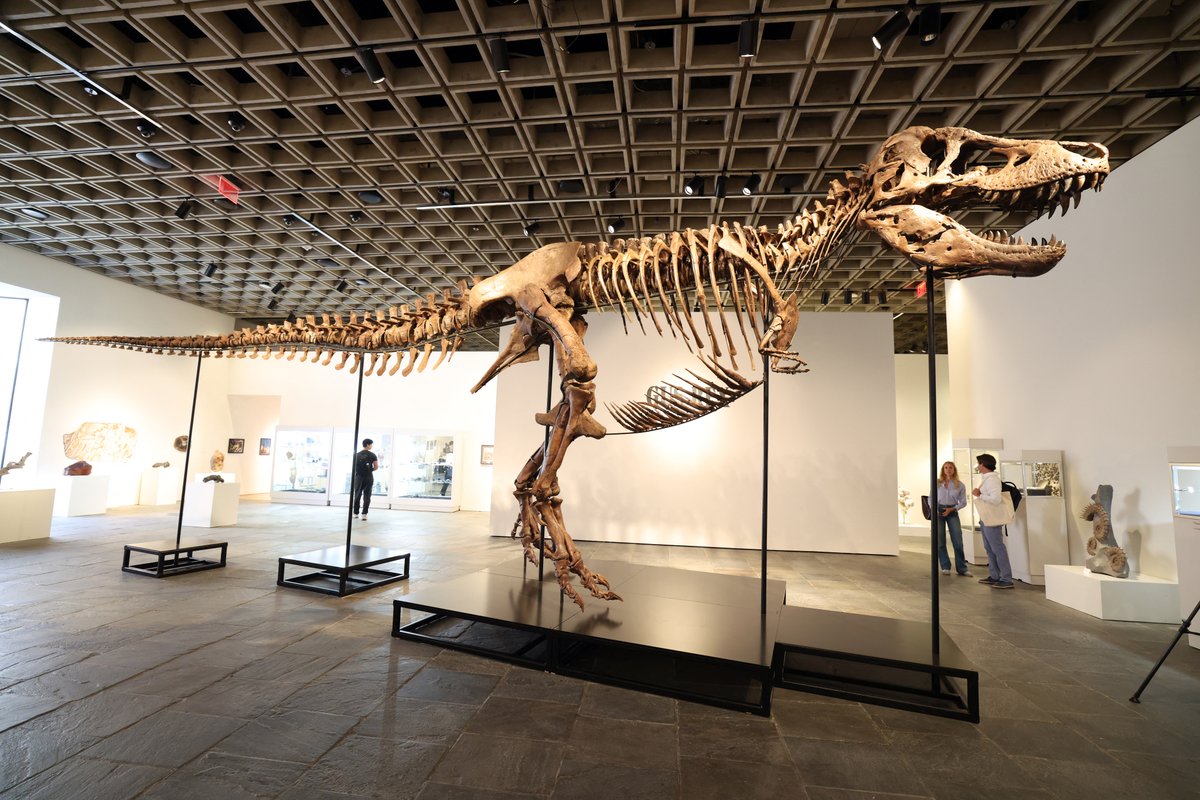
Dinosaur fossils have become a sought-after commodity among wealthy collectors, with some specimens selling at auction for tens of millions of dollars, according to a report published by Scientific American.
The publication's article, titled "How Much Should a Dinosaur Cost?", examines the rise of commercial paleontology and questions why ancient fossils have become what the outlet describes as "the hot new thing for the ultrarich."
According to Scientific American, the growing market for dinosaur remains highlights tensions between commercial fossil hunters and scientific institutions, as high-value auctions can place significant specimens beyond the reach of museums and researchers.
The report does not specify exact figures for individual sales beyond noting that some fossils have fetched tens of millions of dollars, but it frames the trend as part of a broader pattern of luxury collecting among the ultra-wealthy.
Scientific American's coverage raises broader questions about the ownership, preservation and scientific accessibility of fossil specimens as private buyers increasingly compete for rare finds.
Sources
- Commercial paleontology: How much should a dinosaur cost? — Scientific American
EGazette summarizes reporting from multiple sources; follow the links for the originals.
Related articles
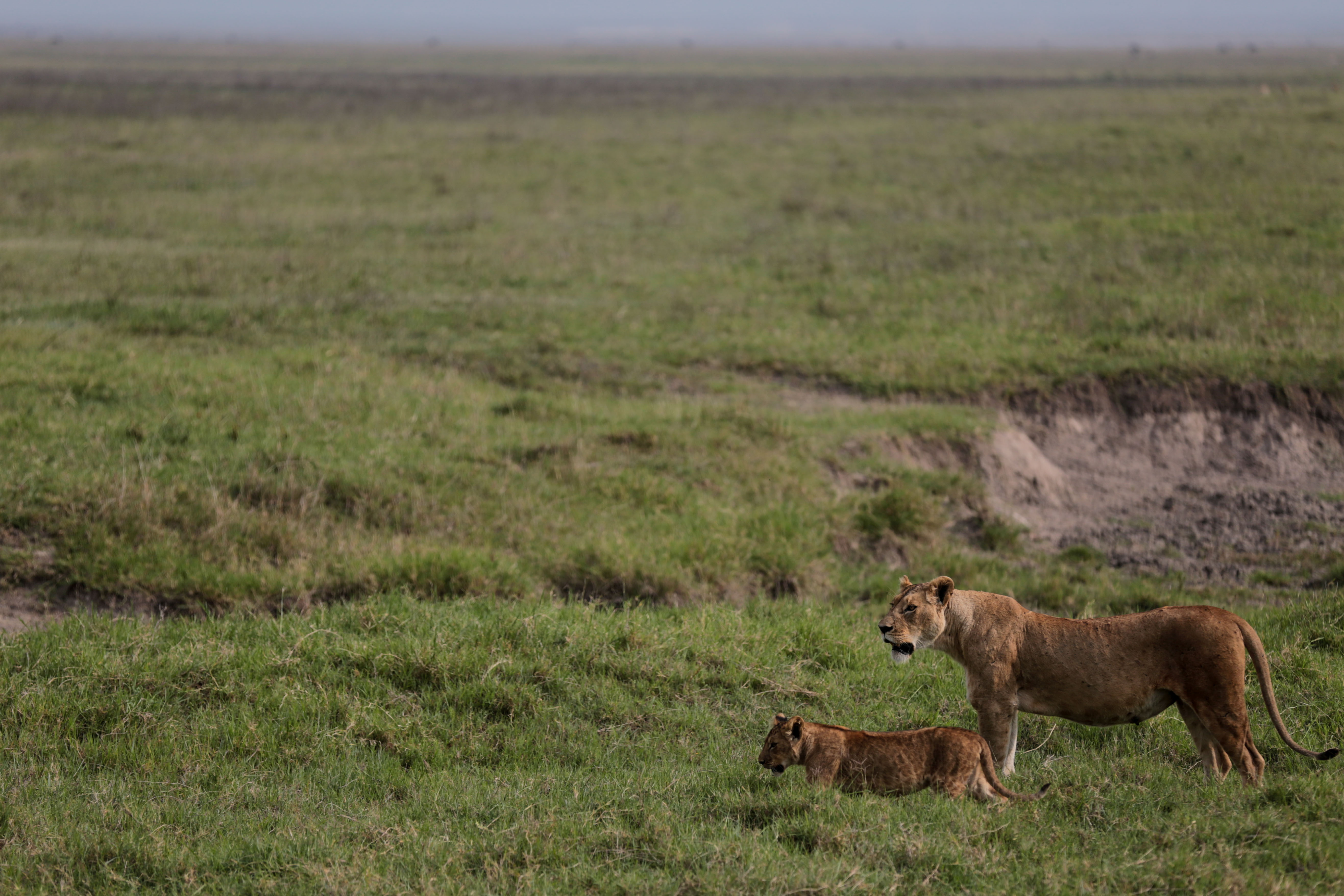
Poison suspected in deaths of ten lions at Tanzania game reserve
The lions were discovered dead in the Ngorongoro Conservation Area, prompting wildlife officials to investigate.
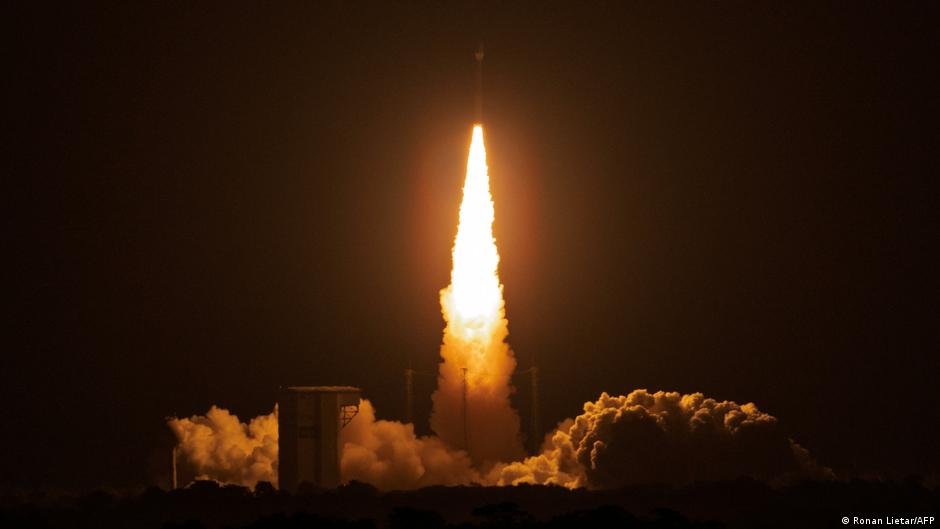
European Space Agency Launches Two Satellites to Monitor Climate Change
The new satellites will help scientists study the effects of climate change, with one instrument dedicated to observing plant life

Exceptional Discovery of Denisovan Fossils in a Southwestern Chinese Cave
Extremely rare remains of these Asian "cousins" of Neanderthals have been unearthed alongside stone tools, shedding new light on their way of life.
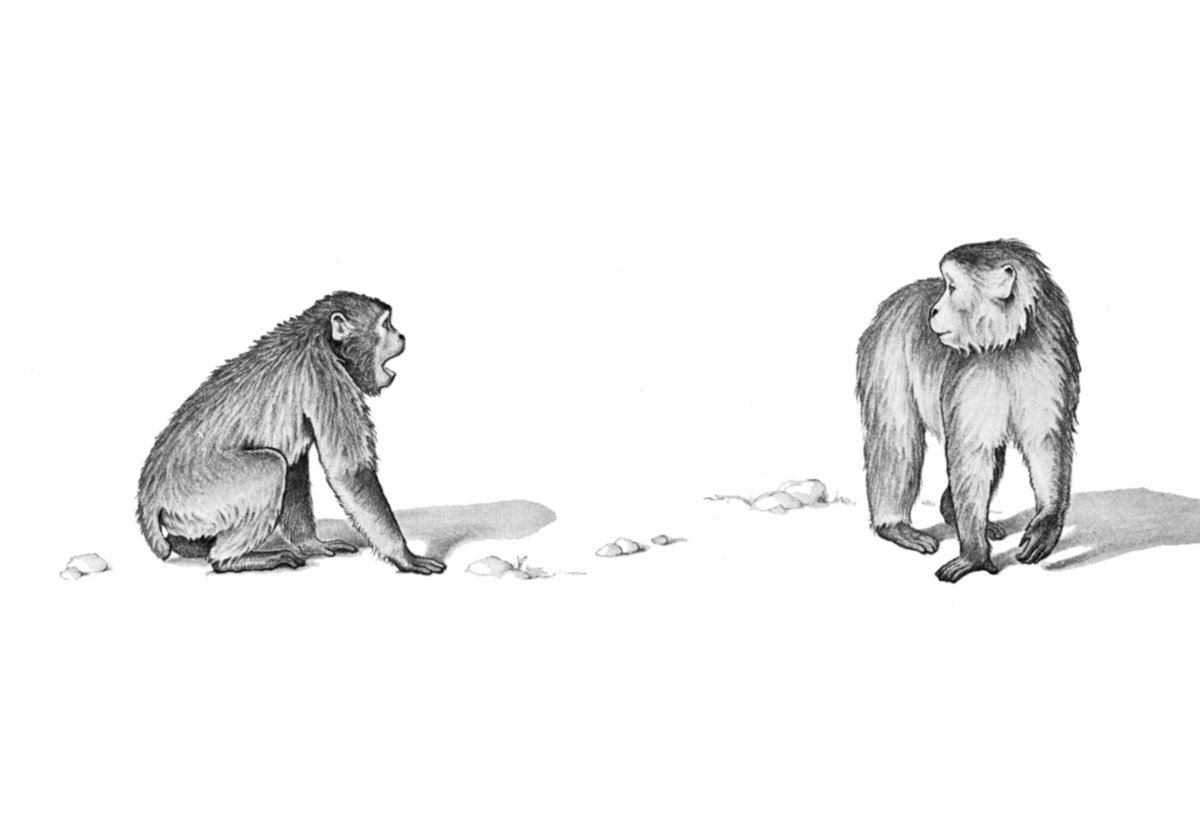
Scientific American's October Retrospective Looks Back at Smallpox, Skyscrapers and Racetrack Research
A historical column published by Scientific American revisits science and technology milestones from 50, 100 and 150 years ago, touching on smallpox eradication efforts, skyscraper excavation work and research conducted at racetracks.
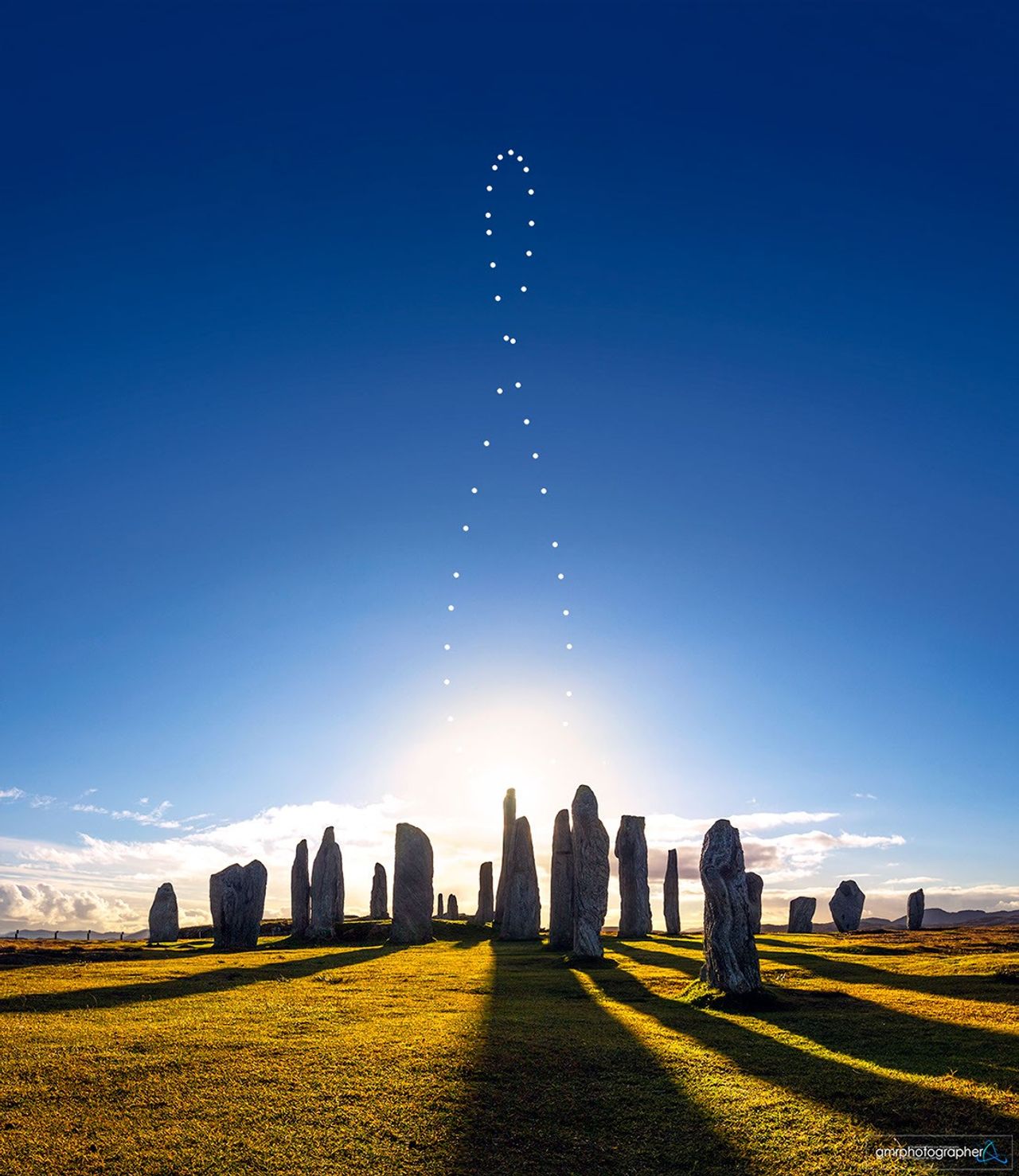
NASA's Astronomy Picture of the Day Features Analemma Over Scotland's Callanish Stones
The September 20, 2026 edition of NASA's long-running APOD series highlights a composite image showing the sun's yearly path above the ancient Callanish Stones.

New Archaeological Evidence Points to Hidden Passages Behind Tutankhamun's Tomb
Archaeological study reopens the file on the lost tomb of Queen Nefertiti after detecting indicators of undiscovered chambers and passages behind the walls of the young pharaoh's tomb in the Valley of the Kings
Comments
Loading comments…