Scientific American Examines Soaring Auction Prices for Dinosaur Fossils
A new report from Scientific American explores why dinosaur fossils are increasingly selling for tens of millions of dollars, raising questions about the intersection of science and the luxury market.
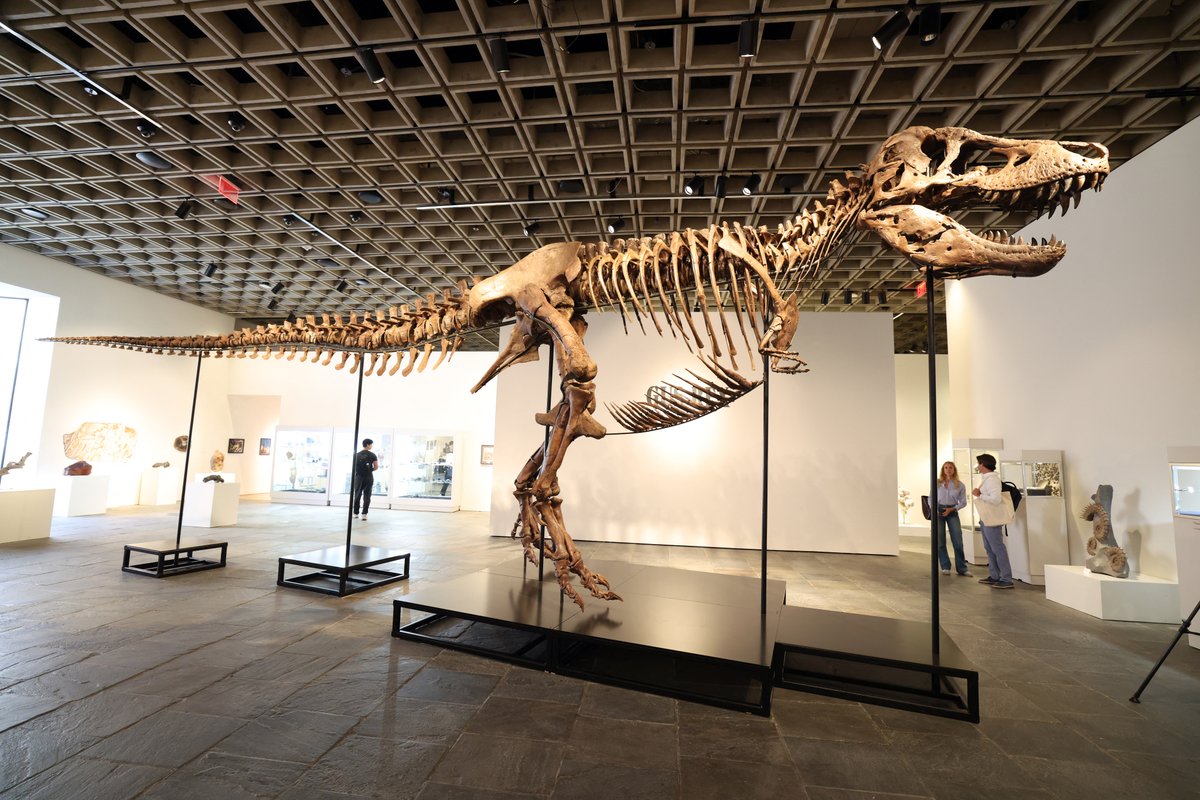
Dinosaur fossils have become a sought-after commodity among wealthy collectors, with some specimens selling at auction for tens of millions of dollars, according to a report published by Scientific American.
The publication's article, titled "How Much Should a Dinosaur Cost?", examines the rise of commercial paleontology and questions why ancient fossils have become what the outlet describes as "the hot new thing for the ultrarich."
According to Scientific American, the growing market for dinosaur remains highlights tensions between commercial fossil hunters and scientific institutions, as high-value auctions can place significant specimens beyond the reach of museums and researchers.
The report does not specify exact figures for individual sales beyond noting that some fossils have fetched tens of millions of dollars, but it frames the trend as part of a broader pattern of luxury collecting among the ultra-wealthy.
Scientific American's coverage raises broader questions about the ownership, preservation and scientific accessibility of fossil specimens as private buyers increasingly compete for rare finds.
المصادر
- Commercial paleontology: How much should a dinosaur cost? — Scientific American
يلخّص EGazette تقارير من مصادر متعددة؛ اتبع الروابط للاطلاع على الأصل.
مقالات ذات صلة
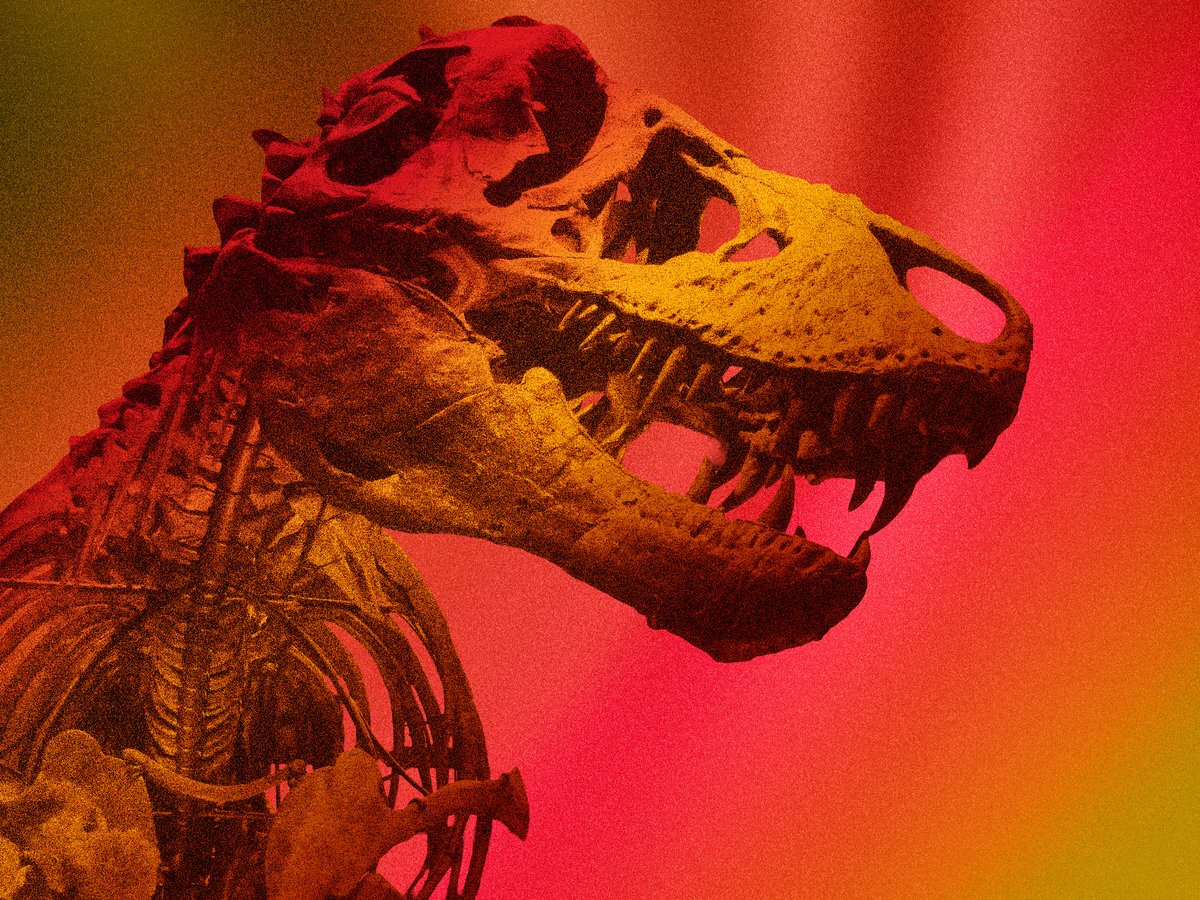
دراسة تشير إلى أن ديناصور التيرانوصور كان ذا دم دافئ مثل الإنسان
يشير بحث جديد إلى أن الديناصور قد يكون قد نظّم درجة حرارة جسده بطريقة مشابهة للثدييات الحديثة، مما يطعن في الآراء طويلة الأمد حول طبيعة الديناصورات الزاحفة

أدلة أثرية جديدة تشير إلى ممرات مخفية خلف مقبرة توت عنخ آمون
دراسة أثرية تعيد فتح ملف مقبرة الملكة نفرتيتي المفقودة بعد رصد مؤشرات على وجود حجرات وممرات غير مكتشفة خلف جدران مقبرة الفرعون الشاب في وادي الملوك

دراسة علمية: الدماغ ليس عضوا واحدا بل ينشأ من مجموعتين مختلفتين من الخلايا
باحثون يكشفون أن الدماغ الأمامي والخلفي يتطوران من أصول خلوية منفصلة منذ المراحل الأولى لتكوين الجنين، في اكتشاف قد يغير فهم تطور الدماغ البشري

اكتشاف نوع جديد من القطط البرية في بوليفيا
أعلن علماء بوليفيون عن تحديد هوية "تيلكايو"، قطة برية ذات فراء مرقط شوهدت في منطقة لوس يونغاس الجبلية.

فراشات الصقر الطائرة بسرعة الطيور الطنانة تظهر في منطقة ميدلاندز الغربية
تم الإبلاغ عن مشاهدات لهذه الفراشة التي تشبه الطائر، والتي غالباً ما يتم الخلط بينها وبين الطائر الطنان، في المنطقة وفقاً لقناة بي بي سي.
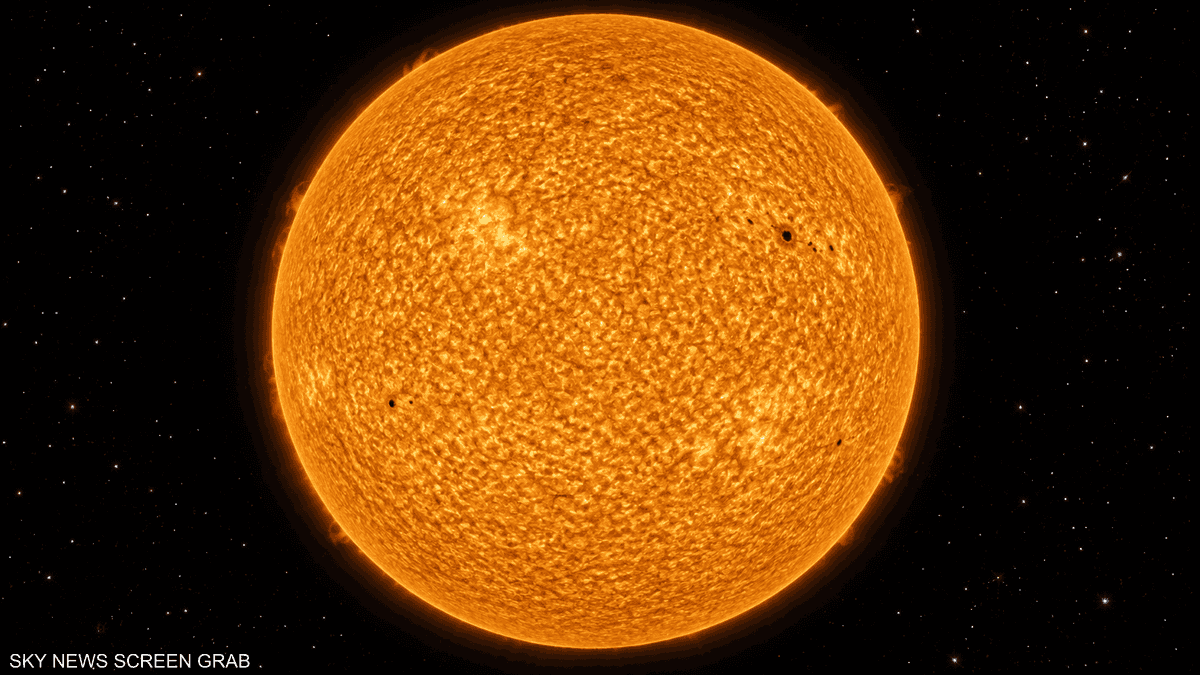
الشمس تسجل أطول فترة هدوء منذ خمس سنوات وسط تساؤلات حول تأثيرها على الأرض
رصد علماء أربعة أيام متتالية دون أي توهجات شمسية من الفئة "C" أو أعلى، في أطول فاصل هدوء من نوعه منذ ديسمبر 2021
Comments
Loading comments…