Scientific American Examines Shifting Meaning of 'AGI' Amid Lab Claims
As artificial intelligence companies suggest human-level machine intelligence could arrive soon, a Scientific American analysis questions whether the term "artificial general intelligence" still means what it once did.
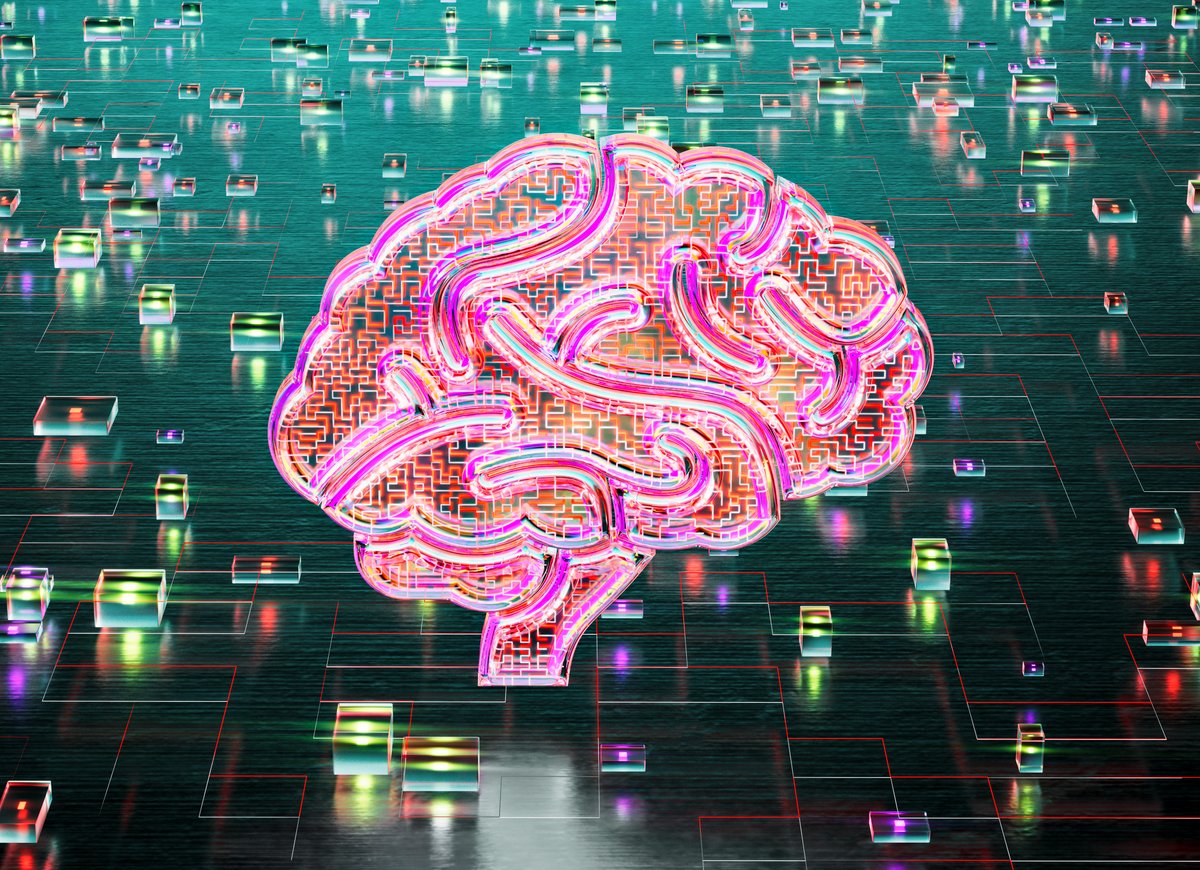
A recent article published by Scientific American examines the growing use of the term "artificial general intelligence," or AGI, by major AI companies who have suggested the milestone may be near. According to the publication, the term was once largely confined to technical and academic discussions among computer scientists and researchers studying machine cognition.
The article states that the meaning of AGI has "slipped" from its original technical usage, raising questions about how the term is now applied in public statements by AI labs. Scientific American notes that as companies increasingly invoke AGI in describing their goals or progress, the definition attached to the term may differ from how it was originally understood in scientific literature.
The piece does not identify a single, universally accepted definition of AGI, reflecting a broader debate within the AI research community over what capabilities would need to be demonstrated for a system to be considered generally intelligent in a way comparable to humans.
Scientific American's analysis suggests that the gap between technical and public usage of the term could complicate efforts to evaluate claims made by AI developers about the imminence of AGI, since observers and companies may not be using the same benchmarks or criteria when discussing the concept.
The article was published as part of Scientific American's ongoing coverage of developments in artificial intelligence and does not name specific companies or provide detailed technical benchmarks in the excerpt reviewed.
Sources
- AI labs are claiming “AGI” is imminent—but does that mean what we think it means? — Scientific American
EGazette summarizes reporting from multiple sources; follow the links for the originals.
Related articles
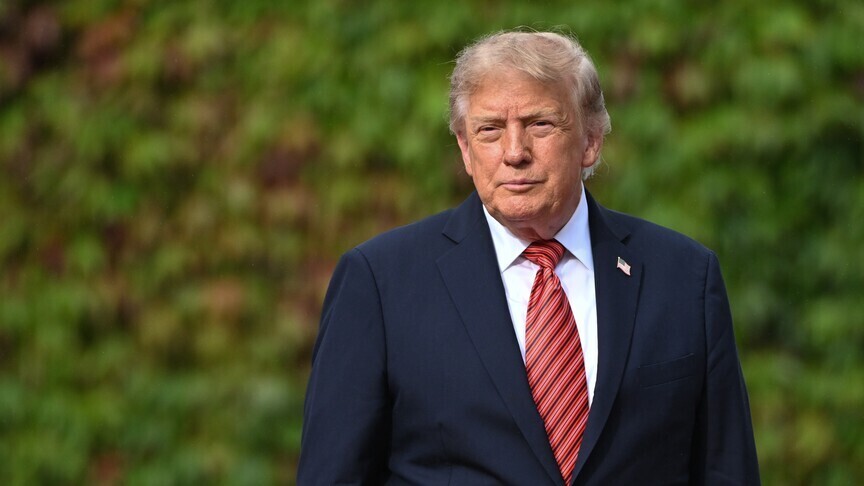
Trump Announces Formation of ‘AI Force,’ Names ‘AI Czar’ to Oversee It
US President Donald Trump said the new body would not impede the artificial intelligence industry’s expansion, according to Anadolu Agency.

Trump Says US Will Create an ‘AI Force’ Modeled on Space Force
The US president did not specify whether the initiative would involve establishing a new branch of the armed forces, according to TASS.

China Pushes Back on US Warnings to Slow AI Development, Guardian Reports
Beijing officials and businesses argue calls for caution are designed to preserve America's technological lead, according to a Guardian report

AI industry workers express skepticism about existential risk warnings
Multiple employees at leading AI companies doubt predictions that the technology could pose catastrophic threats to humanity.

Trump Announces Plans for 'AI Force' and Artificial Intelligence Tsar
President says his administration will not "hinder or stifle" the growth of artificial intelligence, amid ongoing warnings about the technology's risks

Gaza Students Persist in Tech Studies Despite Equipment Shortages, Report Says
Al Jazeera reports that students in Gaza are continuing to pursue technology education even as the territory's IT sector remains crippled by years of conflict.
Comments
Loading comments…