Scientific American Examines How a Looming 'Super El Niño' Could Intensify Himalayan Warming
Following a major natural disaster in the region, climate observers are turning their attention to how an anticipated strong El Niño event might further heat the Himalayas.
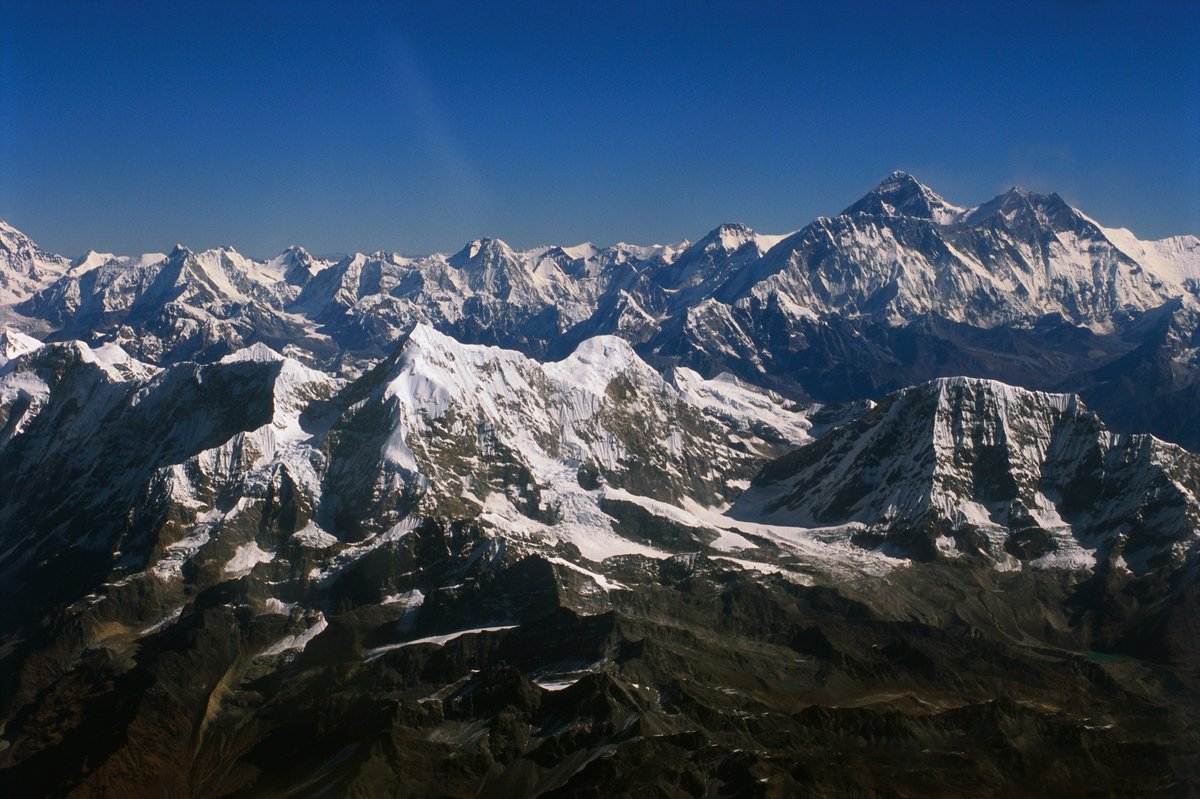
A report published by Scientific American examines concerns that an approaching strong El Niño weather pattern could accelerate warming trends in the Himalayan region, according to the publication.
The article's publication follows what Scientific American describes as one of the worst natural disasters in the region's recent history, though specific details of that disaster were not elaborated in the available excerpt.
According to the outlet, attention is now shifting toward the potential effects of a so-called 'super El Niño'—a particularly intense phase of the El Niño-Southern Oscillation, a naturally occurring climate pattern known to influence global weather and temperature patterns.
El Niño events are generally associated with warmer sea surface temperatures in parts of the Pacific Ocean and can influence weather patterns worldwide, including in mountainous regions such as the Himalayas, according to established climate science.
Scientific American's report suggests that the combination of an intense El Niño event with existing climate change trends could contribute to further warming in the Himalayan region, though the full scope of specific findings, data, and expert commentary referenced in the original article could not be independently verified from the available excerpt.
The Himalayan region has been the subject of increasing climate research due to its sensitivity to temperature changes, which can affect glacier melt, water resources, and the frequency of natural hazards in the area.
Further details on the disaster referenced and the specific mechanisms by which El Niño might affect the region were not available in the source excerpt reviewed for this report.
Sources
- How the super El Niño could turbocharge warming in the Himalayas — Scientific American
EGazette summarizes reporting from multiple sources; follow the links for the originals.
Related articles
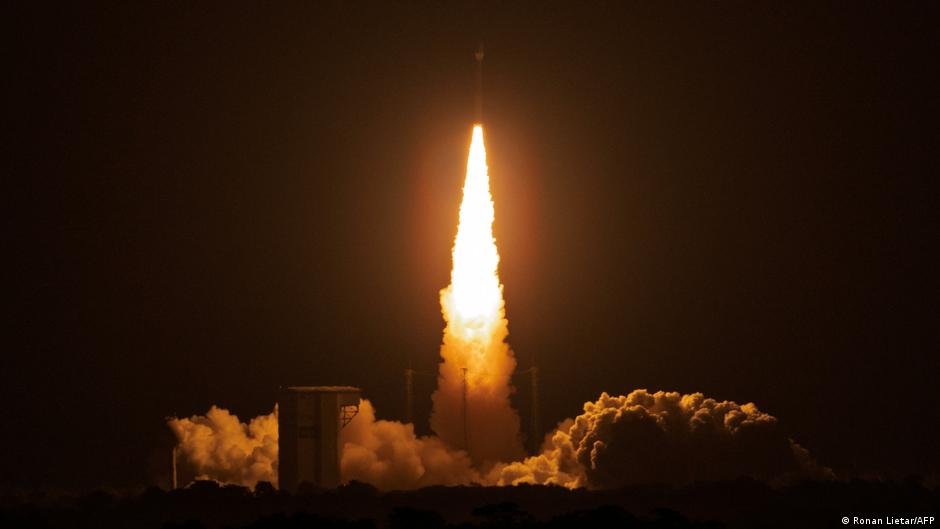
European Space Agency Launches Two Satellites to Monitor Climate Change
The new satellites will help scientists study the effects of climate change, with one instrument dedicated to observing plant life
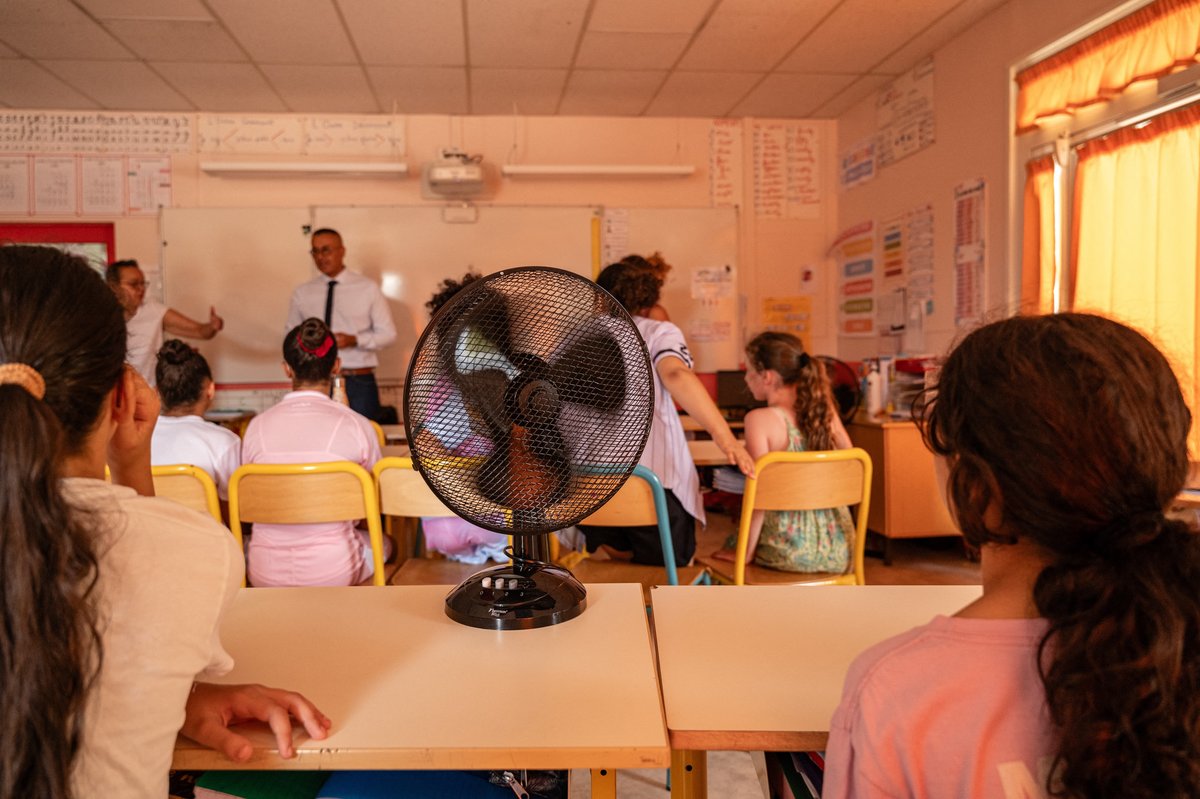
Rising Heat Linked to Declining Student Learning, Scientific American Reports
A report from Scientific American says growing evidence shows higher temperatures are undermining students' ability to learn in classrooms.

Prince William Urges Faster Action on Climate Solutions
The Prince of Wales told the BBC the world must "accelerate" efforts to address climate challenges as nominees for his Earthshot Prize were unveiled.
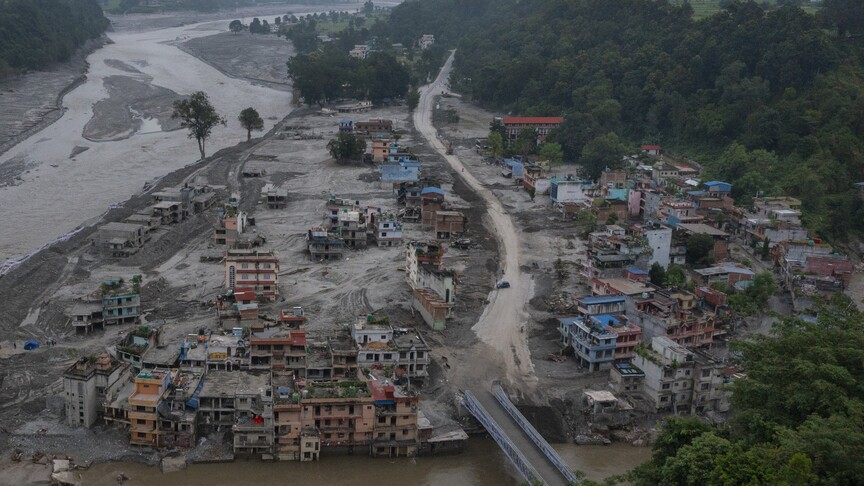
Climate change likely contributed to deadly Nepal-China floods, researchers say
A World Weather Attribution analysis suggests warming temperatures and glacier retreat may have destabilized conditions for the disaster.

Magnitude 6.3 earthquake strikes Alaska
The quake hit the Nikolski region; no immediate reports of casualties or significant damage.

France's Wine Production Nears 70-Year Low Amid Climate Pressures
Heatwaves and drought have pushed French wine output toward its lowest level in seven decades, prompting the industry to weigh new markets, products and strategies, according to CNBC.
Comments
Loading comments…