Saudi Arabia Reportedly Rerouting Crude Oil Through Yanbu and Sohar, Using Ship-to-Ship Transfers Off Oman
Al Jazeera reports the world's second-largest crude exporter is using alternative shipping routes, including so-called 'dark shipments,' amid unspecified pressures on its usual export channels.

Saudi Arabia, the world's second-largest crude oil exporter, is reportedly rerouting some of its oil shipments through alternative paths, including transfers between the Red Sea port of Yanbu and Oman's port of Sohar, according to a report by Al Jazeera published on September 17.
The report states that the kingdom has been employing so-called "dark shipments" — a term generally used in the oil trade to describe vessels that disable or obscure their tracking transponders to avoid detection — as well as ship-to-ship transfers conducted off the coast of Oman.
Al Jazeera's report did not specify the exact reasons behind the rerouting, nor did it detail the volumes of oil involved or the timeline over which these alternative routes have been used.
Saudi Arabia, through its state oil company Saudi Aramco, is one of the largest producers and exporters of crude oil globally, with established export infrastructure including terminals on both its Red Sea and Persian Gulf coasts.
Ship-to-ship transfers, where cargo is moved from one vessel to another at sea rather than at a port, are a recognized practice in the international oil trade and can be used for a variety of logistical, commercial, or sanctions-related reasons.
Al Jazeera did not attribute the described shipping activity to specific sanctions measures or provide comment from Saudi Arabian officials or Saudi Aramco in the excerpt reviewed. Further details from the original report, including sourcing for the tracking data referenced, were not immediately available.
This report could not be independently verified beyond the information provided by Al Jazeera at the time of publication.
Sources
- From Yanbu to Sohar: Tracking Saudi Arabia’s alternative oil routes — Al Jazeera — All
EGazette résume des articles de plusieurs sources ; suivez les liens pour les originaux.
Articles liés

Le pétrole américain tombe sous les 100 dollars après que l'Arabie saoudite propose une augmentation de ses livraisons de brut
Les approvisionnements supplémentaires en brut saoudien atténuent les préoccupations concernant les perturbations à l'exportation suite à l'incident.
Les prix du pétrole baissent après que l'Arabie saoudite propose davantage de brut suite à une attaque contre un pipeline
Les annonces de fournitures supplémentaires saoudiennes apaisent les inquiétudes concernant les perturbations des exportations du royaume.
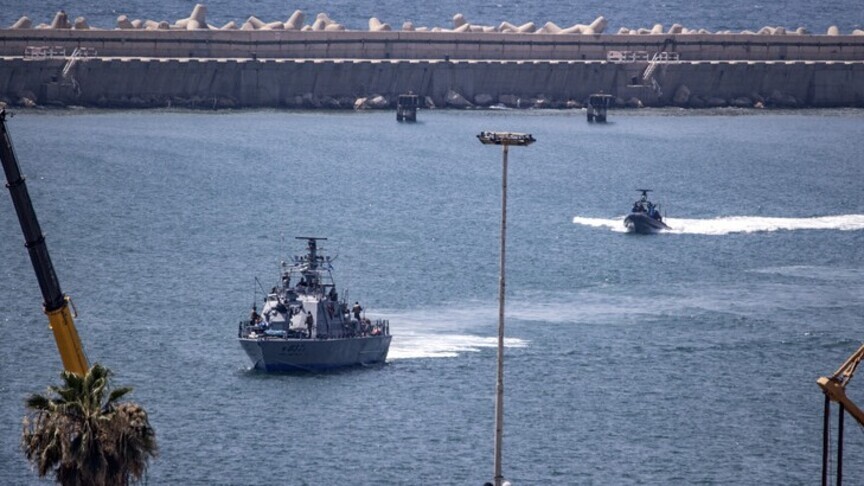
Le trafic maritime dans le détroit de Bab al-Mandab ralentit considérablement en raison du conflit au Yémen
Seulement quatre navires ont traversé cette voie navigable vitale en 24 heures, alors que les forces houthistes prendraient le contrôle des régions environnantes, selon l'Agence Anadolu.

Les prix du pétrole chutent d'environ 4% après les assurances américaines concernant l'approvisionnement saoudien
Le brut Brent a glissé sous les 105 dollars le baril après que Washington ait déclaré qu'un oléoduc saoudien endommagé pourrait reprendre ses activités dans les jours à venir, selon l'agence Anadolu.
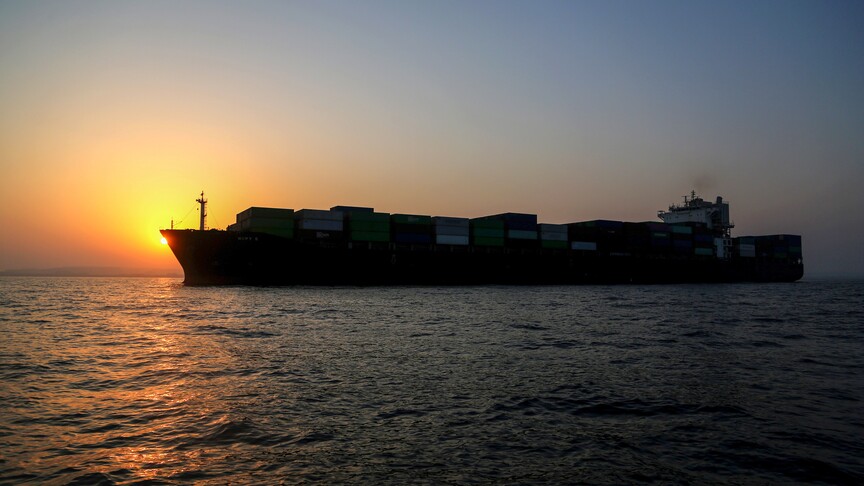
L'Iran affirme que le détroit d'Ormuz restera fermé tant que les États-Unis ne satisferont pas ses conditions
Le président du Parlement affirme que Téhéran a communiqué ses demandes à Washington par le biais d'intermédiaires et ne rouvrira pas cette voie stratégique tant qu'elles ne seront pas satisfaites
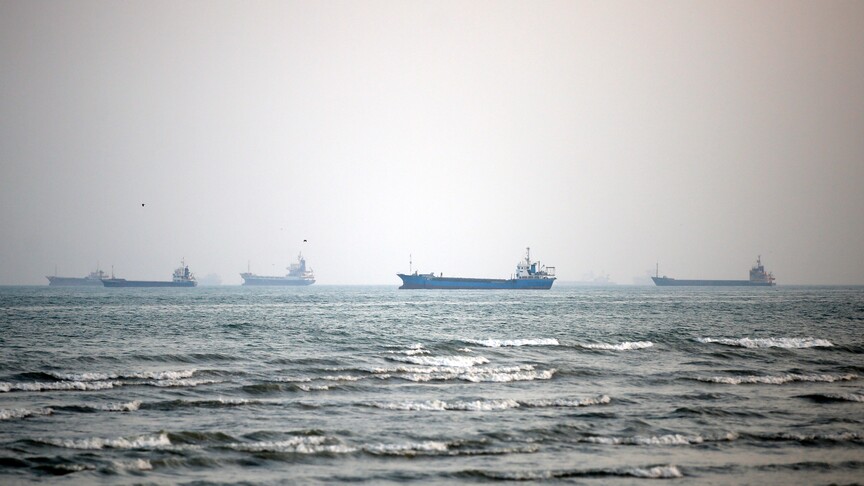
Un navire attaqué dans le détroit d'Ormuz près d'Oman ; l'équipage signalé en sécurité
Un navire a été attaqué à 16 milles nautiques au nord-est de Khasab, Oman, selon l'autorité britannique des opérations commerciales maritimes.
Comments
Loading comments…