Russian Envoy Warns of 'Crisis' Trends at IAEA After Deadlocked Conference
Mikhail Ulyanov said the UN nuclear watchdog's General Conference failed for a second consecutive year to agree on key technical resolutions.
Russia's envoy to international organizations in Vienna, Mikhail Ulyanov, said this week that the International Atomic Energy Agency (IAEA) is showing signs of an institutional crisis, pointing to the failure of its General Conference to agree on several technical resolutions for a second year running.
Ulyanov said the inability of member states to reach consensus on routine technical matters reflected deeper divisions within the agency, which oversees global nuclear safety, security and non-proliferation efforts.
What was said
The Russian diplomat did not specify which individual resolutions failed to pass, but described the pattern as an "alarming trend" that he said pointed to broader dysfunction in the body's decision-making processes. The IAEA's General Conference, held annually, brings together the agency's member states to set policy direction and approve its work program and budget alongside technical resolutions on nuclear safety and cooperation.
Disagreements at the IAEA in recent years have frequently tracked broader geopolitical tensions, including disputes over the war in Ukraine, the status of the Zaporizhzhia nuclear plant, and sanctions-related restrictions affecting nuclear cooperation with Russia and other states.
The IAEA has not issued its own public characterization of the conference's outcome in response to Ulyanov's comments. Nuclear policy analysts have separately noted that consensus at the agency has become harder to reach as major powers increasingly diverge on questions of sanctions, safeguards and access to nuclear facilities in conflict zones.
Russia has been a permanent member of the IAEA's Board of Governors and has used the forum in recent years to raise objections to Western-backed measures it views as politically motivated.
Sources
EGazette summarizes reporting from multiple sources; follow the links for the originals.
Related articles

Lavrov Holds CSTO Foreign Ministers Meeting on Sidelines of UN General Assembly
Russian and allied foreign ministers stressed the importance of strengthening cooperation between the CSTO and the United Nations, according to TASS.
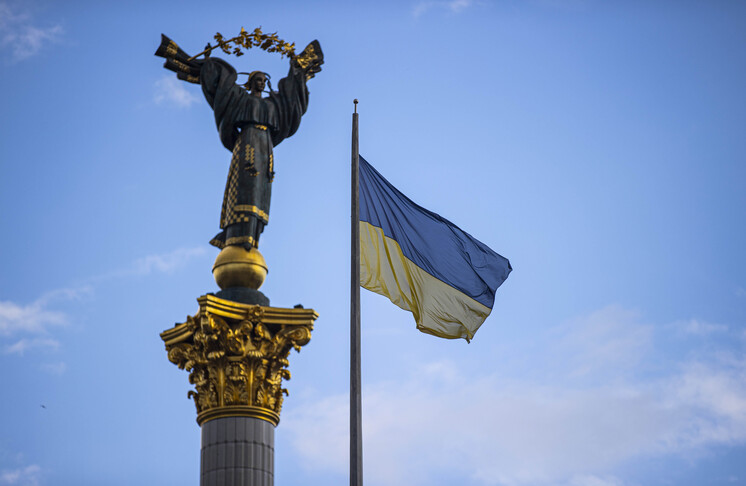
51 Countries Sign Declaration Urging Russia to Accept Immediate Ceasefire in Ukraine
The declaration was signed ahead of a UN Security Council meeting on Ukraine, calling for an unconditional halt to hostilities.
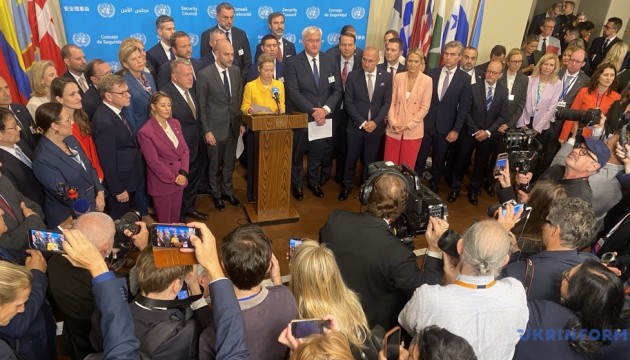
More Than 50 Countries at UN Call on Russia to Agree to Immediate Ceasefire
A large coalition of nations urged Moscow to halt its aggression against Ukraine and begin meaningful peace negotiations.
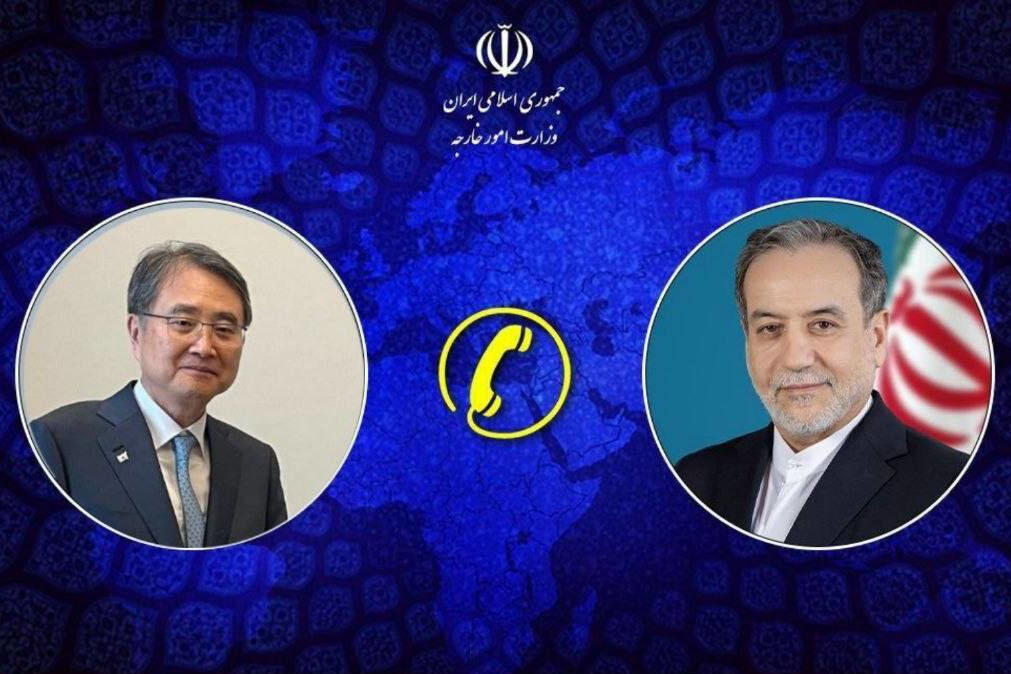
Iranian and South Korean Foreign Ministers Hold Talks in New York
Abbas Araghchi met with his South Korean counterpart Cho Hyun on the sidelines of events in New York, according to Iran's state news agency.
Zelenskyy Tells UN General Assembly 'Ukraine Did Not Choose This War'
The Ukrainian president addressed the UN as reports emerged of new attacks, warning that Putin would target other cities after Donetsk.

Trump Administration Favors Continued Dialogue With Russia, Says Putin Envoy
Kirill Dmitriev commented after Secretary of State Marco Rubio said the US had invited Vladimir Putin to the December G20 summit near Miami.
Comments
Loading comments…