Russian Diplomat Says CTBT Ratification Prospects Remain Unclear, Cites US Role
Foreign ministry spokesperson Maria Zakharova said the treaty's path to entry into force is unclear despite most signatory states having ratified it.
Russian Foreign Ministry spokesperson Maria Zakharova said the prospects for the Comprehensive Nuclear-Test-Ban Treaty (CTBT) entering into force remain unclear, pointing primarily to the position of the United States, according to a report from TASS.
Zakharova noted that 179 of the treaty's 188 signatory states have ratified it, yet said this has not been sufficient to bring the treaty into legal force, the report states.
The CTBT requires ratification by a specific list of states with nuclear technology capabilities before it can formally enter into force, a threshold that has not been met despite broad international support for the treaty.
TASS's report attributes the comments to Zakharova without providing additional detail on specific US policy positions referenced, nor does it include a response from US officials.
The treaty, which bans all nuclear test explosions, has been open for signature since the 1990s but has remained in a state of legal limbo due to the outstanding ratifications required for its entry into force.
Sources
EGazette summarizes reporting from multiple sources; follow the links for the originals.
Related articles
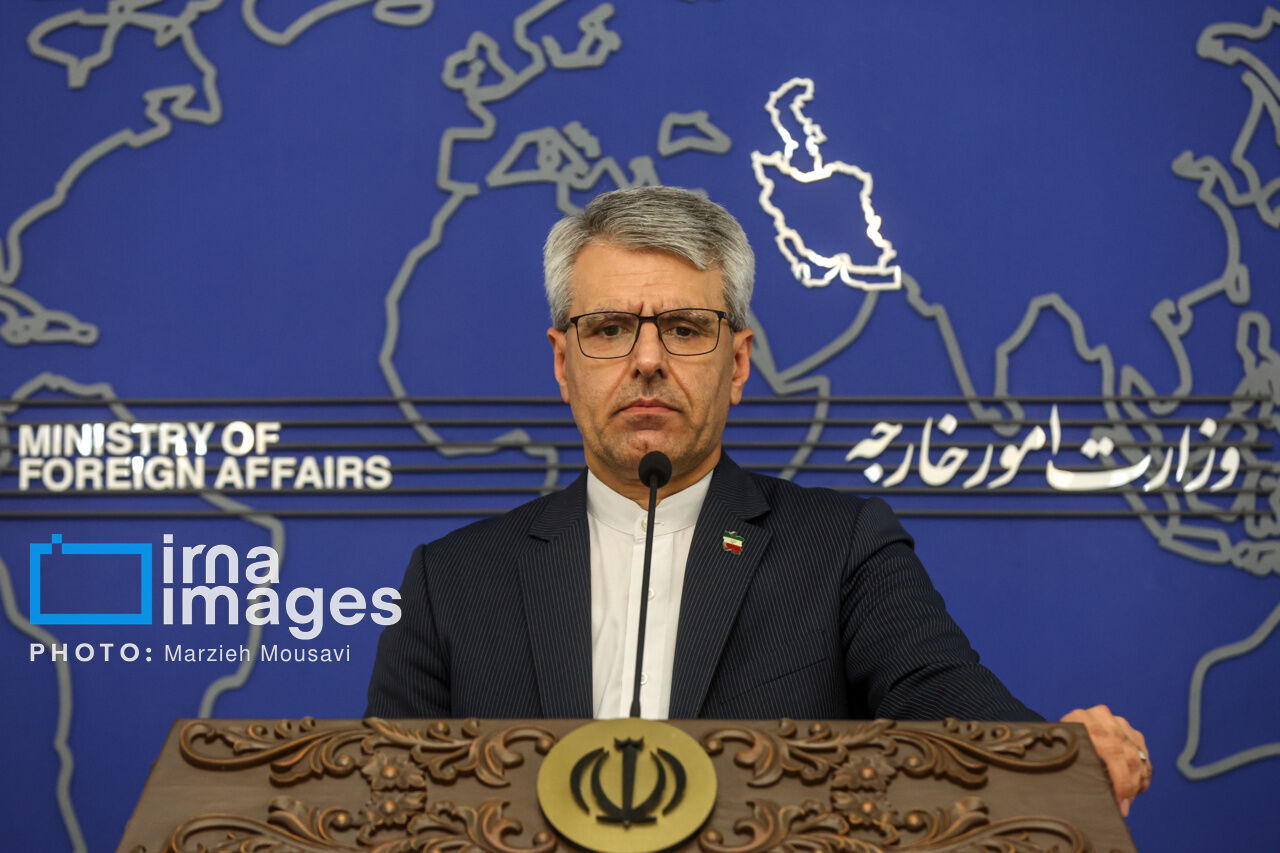
Iranian foreign ministry spokesperson criticizes countries aligning with US pressure
Tehran's foreign ministry spokesperson said nations seeking shelter under US power would find that submission offers no protection, in remarks referencing Canada's prime minister.
EXPLAINER: What Will Define the Trump-Xi Washington Summit
Washington and Beijing face a test of whether a recent period of calm can translate into a more durable relationship, analysts say.

Greenland's delegation returns home to hero's welcome after signing pact with US and Denmark
Greenland's delegation received a hero's welcome upon returning home after signing a new agreement involving the United States and Denmark, Al Jazeera reports.

Trump hosts Xi at White House for high-profile US-China summit
The two leaders met for a state summit expected to emphasize symbolism and stable ties, even as deep rivalry between Washington and Beijing continues.
Russian security service says it seized 311 kg of cocaine bound for EU
The FSB says it broke up a smuggling operation moving a large cocaine shipment from Latin America through Russia toward European markets.

Pope Leo XIV's upcoming France visit seen as significant moment for the Vatican
France is preparing for the first state visit by a pope since 2008, as Pope Leo XIV travels to the country.
Comments
Loading comments…