Russia Will Not Engage in Dialogue With Those Promoting Russophobia or Neo-Nazism, Says Zakharova
Russian Foreign Ministry spokeswoman says Moscow welcomes those who come "with love," but rules out dialogue with proponents of Russophobia and neo-Nazism

Russian Foreign Ministry Spokeswoman Maria Zakharova said that Russia will not begin dialogue with those who promote Russophobia or neo-Nazism, according to a report by TASS, the Russian state news agency.
Zakharova said that everyone who "comes to Russia with love, and perhaps even for love," is always welcomed with open arms, TASS reported.
The spokeswoman's remarks, as cited by TASS, contrasted this welcoming stance with Russia's position toward individuals or entities that espouse views the ministry characterizes as Russophobic or associated with neo-Nazism, stating that dialogue would not be initiated with such parties.
TASS did not provide further details in the excerpt regarding the specific context in which Zakharova made these comments, including the audience, date, or venue of the statement.
Russian officials have frequently used the terms Russophobia and neo-Nazism in public statements to describe policies or rhetoric from Western governments and other entities that they view as hostile to Russia, though the characterizations have been contested by critics.
Sources
- Russia says not to start dialogue with those asserting Russophobia, neo-Nazism — Zakharova — TASS (Russia)
EGazette summarizes reporting from multiple sources; follow the links for the originals.
Related articles
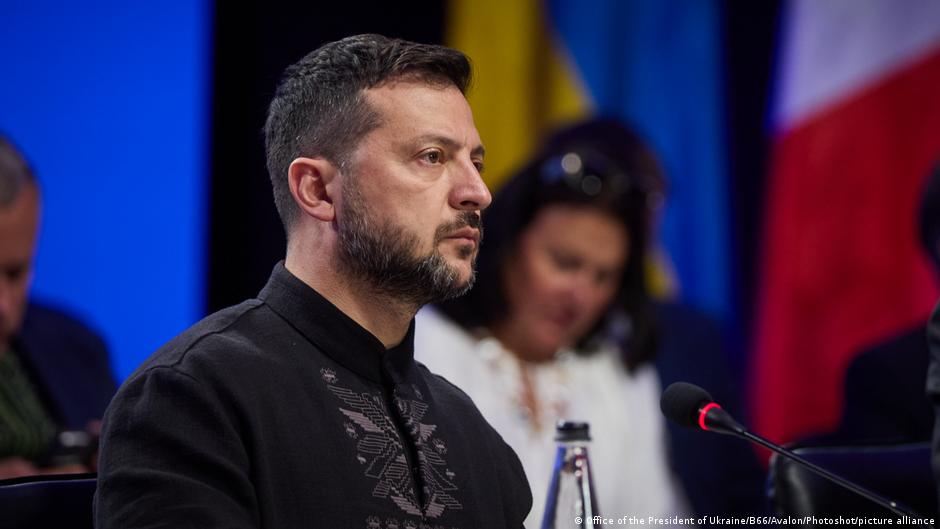
Ukraine, Russia and US Said to Prepare New Round of Mediated Talks
Officials in Kyiv and Moscow indicate trilateral discussions could resume in October, though expectations for a breakthrough remain low.

Putin Congratulates South Ossetian President on Republic Day, Pledges Continued Support
Russian president says Moscow will continue assisting South Ossetia's authorities and people on key challenges, according to TASS
Australia appoints new diplomats to key posts in Cairo, Port Moresby, Dili, and New York
Foreign minister Penny Wong announces diplomatic appointments as part of efforts to strengthen Australia's international engagement.
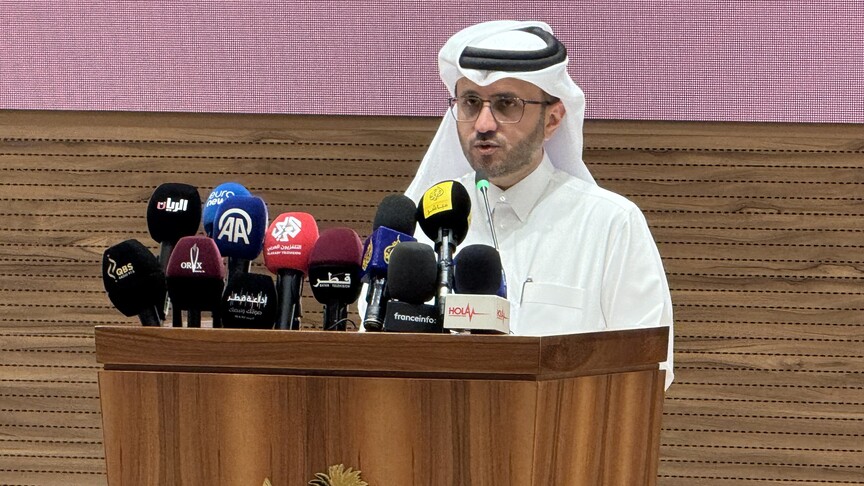
Qatar Says It Is Mediating to Revive US-Iran Talks
Qatari officials say mediators are shuttling between capitals in an effort to restart stalled negotiations between Washington and Tehran
Two civilians killed in Ukrainian army attacks on DPR, Russian military says
Russia's defense ministry reports 31 attacks by Ukrainian forces on the Donetsk People's Republic in the past 24 hours.
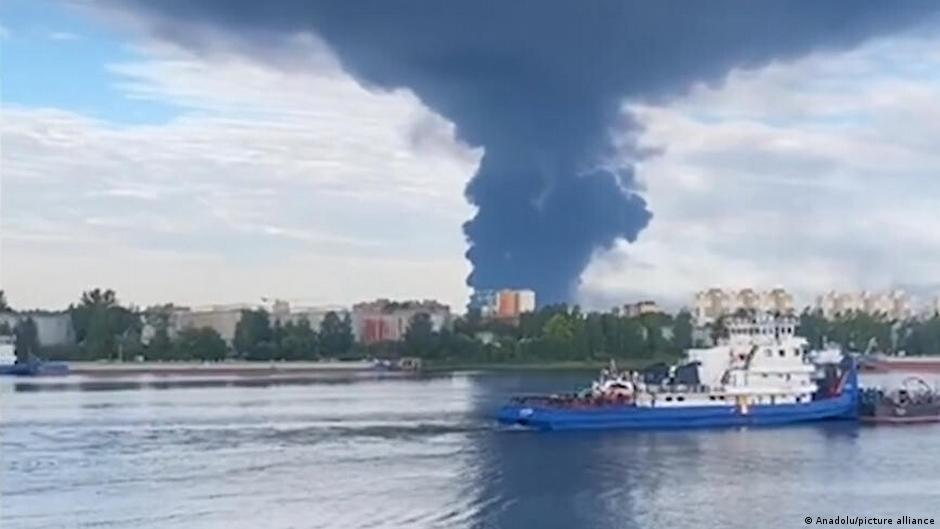
Trump Claims Russia and Ukraine Agreed to Halt Energy Attacks
Trump said both nations have agreed to stop striking energy infrastructure, though Russia and Ukraine offered no immediate confirmation.
Comments
Loading comments…