Russia's FSB Labels Russians Abroad Backing Kyiv 'Vlasovites 2.0'
The term references the Russian Liberation Army, which fought alongside Nazi Germany during World War II.
Written by EGazette’s AI. The facts are drawn from cited sources; the analysis is the AI’s own.
Russia's Federal Security Service (FSB) has described Russians living abroad who support Kyiv as "Vlasovites 2.0," according to TASS.
The term refers to members of the Russian Liberation Army, a military force that fought alongside Nazi Germany during World War II under General Andrei Vlasov, a Soviet commander who defected and collaborated with German forces against the Soviet Union.
By invoking this historical comparison, the FSB is drawing a parallel between Russians who currently back Ukraine amid the ongoing conflict and those who collaborated with foreign forces against Russia during the Second World War. The term "Vlasovite" carries strong negative connotations in Russian political discourse, historically used to describe individuals viewed as traitors to the Russian state.
The characterization reflects the broader rhetorical approach Russian state security officials have taken toward Russian citizens and expatriates who have publicly opposed the government's actions in Ukraine or expressed support for Kyiv since the conflict began.
No further details were provided regarding specific individuals or groups targeted by the FSB's characterization, or what actions, if any, might follow the statement.
Sources
EGazette summarizes reporting from multiple sources; follow the links for the originals.
Comments
Loading comments…
Related articles

Russian Military Expert Claims Kiev Lost Over 9,400 Troops in a Week, Per TASS
A source cited by Russia's state-run TASS news agency claims Ukrainian forces suffered heavy losses over the past week, with the heaviest toll reported in the Battlegroup Center sector.
Ukrainian Drone Strikes Injure Four, Spark Fires at Civilian Sites in Southern Russia
Officials report damage at three civilian infrastructure sites in Russia's Voronezh region following the attack.
Russia offers $20 million reward for information on Ukrainian commander 'Magyar', report says
The Wall Street Journal reports Moscow is using post-Soviet criminal networks to seek the whereabouts of Robert 'Magyar' Brovdi, who commands Ukraine's Unmanned Systems Forces.
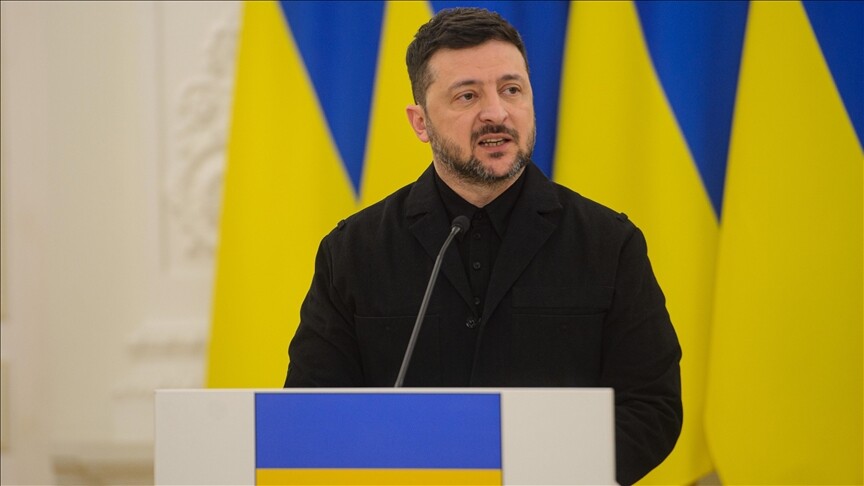
Zelenskyy Says Azerbaijani National Killed in Russian Strike Near Kyiv
Ukraine and Russia exchanged overnight air strikes, with President Volodymyr Zelenskyy reporting casualties on both sides.
FSB Accuses UK of Creating 'Illusion' of Alternative Force Among Russian Emigres
A Russian security service officer says British intelligence agencies control groups presented as a Russian opposition abroad.
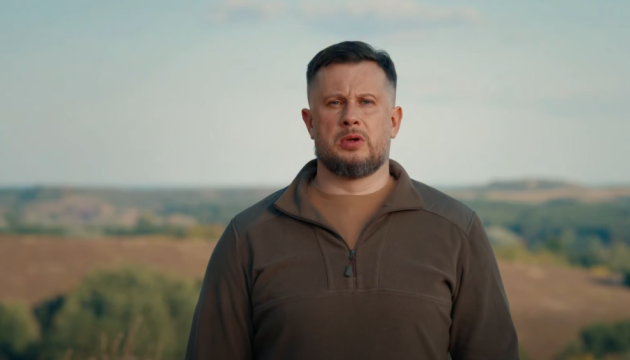
Ukrainian Forces Say They Have Retaken Three Villages in Latest Offensive Phase
Ukraine's 3rd Army Corps says it has completed the third phase of 'Operation Vivaldi,' regaining control of Nove, Ridkodub and Katerynivka along with additional territory.