Rubio's Warning of Iraq 'Balkanisation' Draws Scrutiny After Trump-Iraqi PM Meeting
The US secretary of state's remarks, made after talks between Trump and Iraq's prime minister at the UN General Assembly, have prompted debate over whether the risk is real.
US Secretary of State Marco Rubio has warned of the risk of Iraq's "Balkanisation," a comment that followed a meeting between President Trump and the Iraqi prime minister on the sidelines of the United Nations General Assembly in New York.
The remark, invoking the fragmentation that afflicted the Balkans in the 1990s, raises questions about the stability of Iraq's political and territorial structure, though the specific evidence or reasoning behind Rubio's warning was not detailed in initial reporting of the meeting.
Iraq has for decades faced internal pressures from sectarian and ethnic divisions among its Shia, Sunni and Kurdish communities, as well as periodic tensions between the central government in Baghdad and the semi-autonomous Kurdistan Region in the north. Analysts have long debated whether these divisions pose a genuine risk of the country splintering, or whether Iraq's political system, despite its frequent instability, has proven durable enough to hold together.
The meeting between Trump and the Iraqi prime minister comes amid broader US engagement with Iraq on security and economic matters, including questions about the continued presence of American forces and Iraq's relations with neighbouring Iran. Rubio's comment may reflect concerns within the US administration about the durability of Iraqi state institutions amid these pressures, though it was not accompanied by specific policy proposals in the available reporting.
Iraqi officials have not been reported responding directly to the "Balkanisation" comment. Whether the remark signals a shift in US assessments of Iraq's stability, or was simply rhetorical emphasis in the context of the UNGA meeting, remains to be clarified by further statements from Washington or Baghdad.
Sources
- Rubio warns of Iraq ‘Balkanisation’: Is that a real threat? — Al Jazeera — All
EGazette résume des articles de plusieurs sources ; suivez les liens pour les originaux.
Articles liés
L'ambassadeur russe affirme que les États-Unis utilisent les sanctions comme prétexte pour faire pression sur l'Inde
L'ambassadeur de Russie Denis Alipov a déclaré que les sanctions occidentales contre Moscou sont utilisées par Washington comme prétexte pour faire pression sur l'Inde, soulignant que la Russie est déjà soumise à plus de 30 000 sanctions.
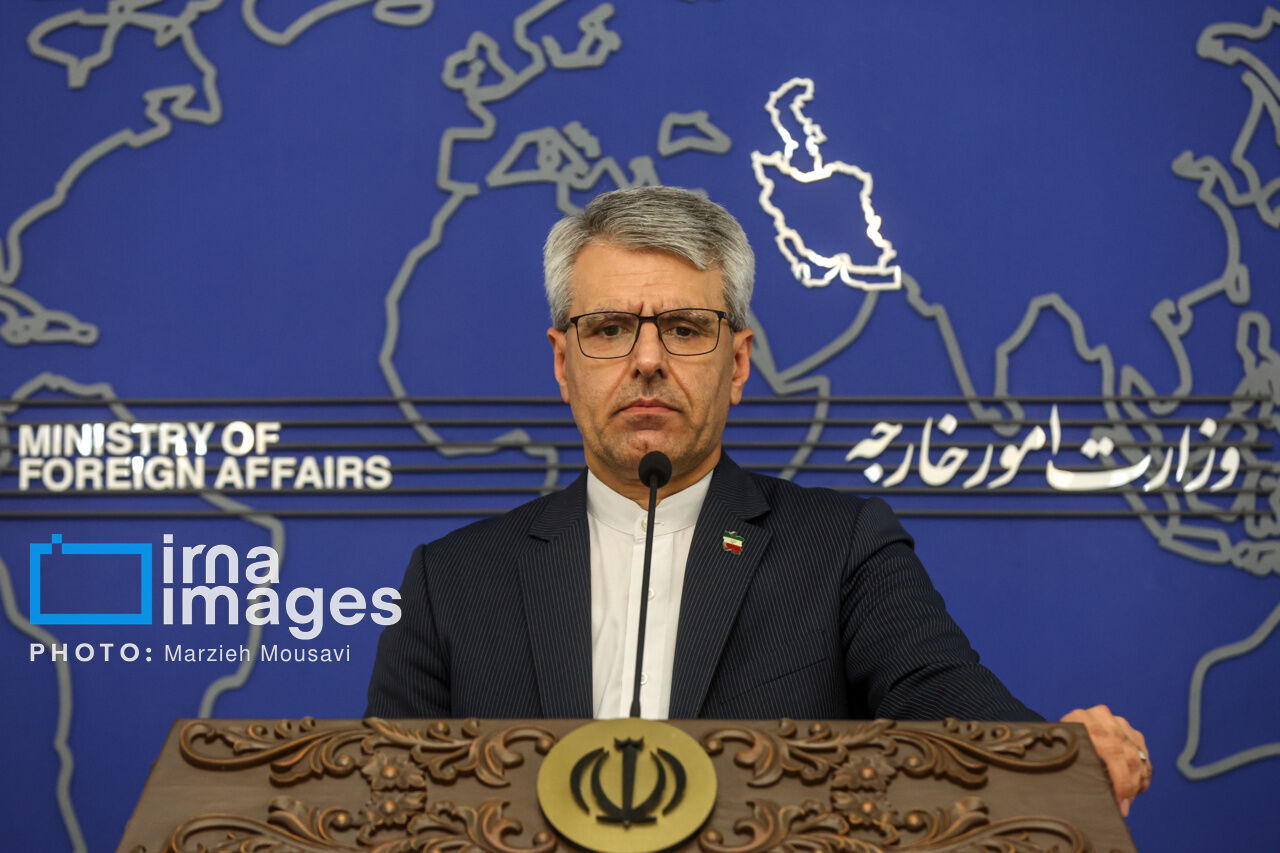
Le porte-parole du ministère iranien des Affaires étrangères critique les pays qui s'alignent sur la pression américaine
Le porte-parole du ministère iranien des Affaires étrangères a déclaré que les nations cherchant refuge sous la puissance américaine constateraient que la soumission n'offre aucune protection, dans des propos visant le Premier ministre canadien.

En bref : Donald Trump - XI Jinping : qui a l'avantage
Le reportage de France 24 — Français résume les principaux éléments disponibles, en maintenant les affirmations attribuées à leurs sources.
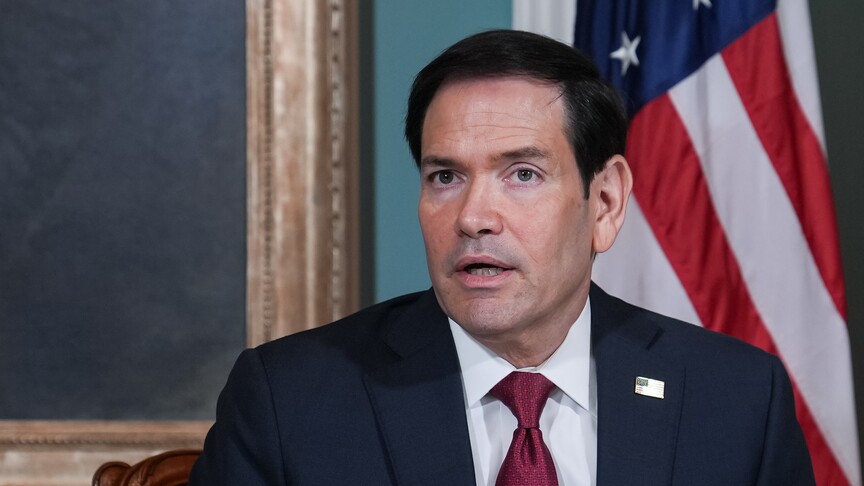
Rubio affirme que l'Iran se méprend sur la politique américaine en attendant les élections de mi-mandat
Le secrétaire d'État américain a déclaré qu'un résultat des élections de mi-mandat en novembre n'empêcherait pas le président Trump d'imposer des sanctions ou d'employer la force militaire contre Téhéran.

Trump reçoit Xi à la Maison-Blanche pour un sommet américano-chinois de haut niveau
Les deux dirigeants se sont retrouvés pour un sommet officiel attendu surtout pour sa valeur symbolique et son message de stabilité, alors que la rivalité profonde entre Washington et Pékin se poursuit.
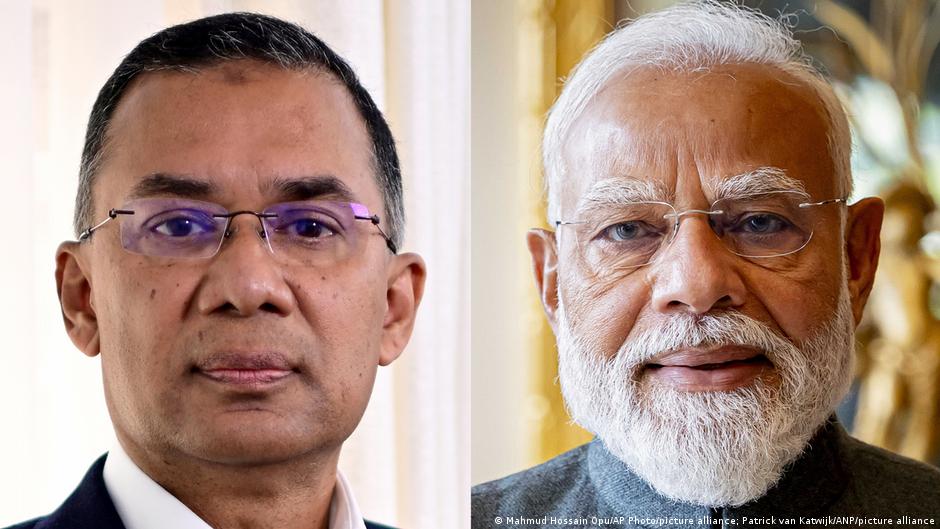
Les tensions Inde-Bangladesh refont surface après l’absence de Dacca au sommet des BRICS à Delhi
L’absence du Bangladesh au sommet des BRICS à New Delhi a mis en lumière les relations tendues entre les deux pays, l’exil de l’ancienne Première ministre Sheikh Hasina en Inde restant un point de friction majeur.
Comments
Loading comments…